From SKU Expansion to System Complexity: Rethinking How Apparel Warehouses Actually Work
Discover how apparel warehouses can overcome SKU growth by improving storage density, picking efficiency, and order accuracy through flexible storage and goods-to-person automation.
Every new size, color, and channel may add just one more SKU, but inside an apparel warehouse, those small additions quickly turn into a much bigger operational problem.
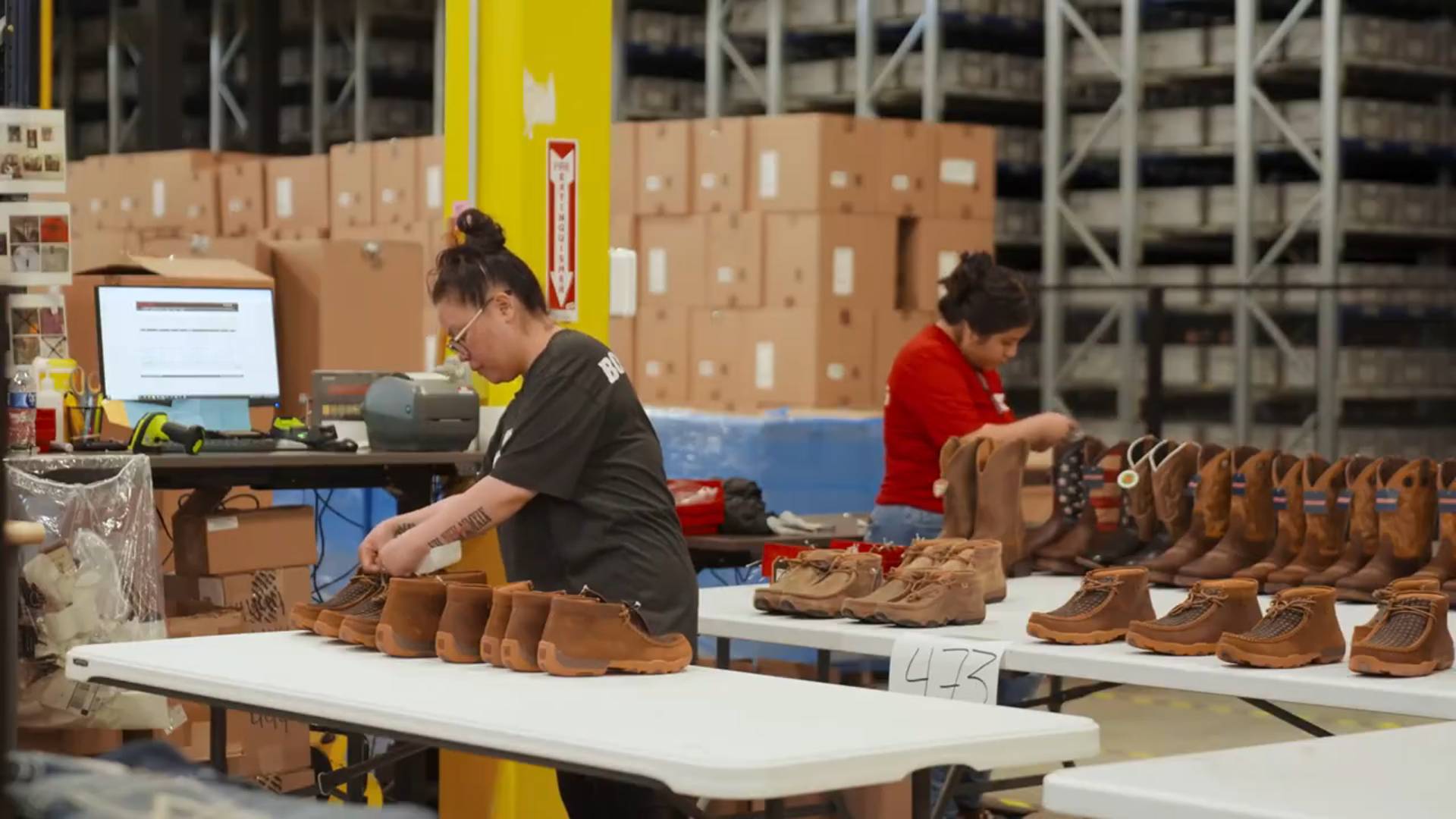
SKU growth in apparel and footwear is changing warehouse operations in ways that go far beyond simple capacity pressure. As product assortments expand and product cycles accelerate, warehouses must manage far greater variability within the same footprint.
What appears at first to be a storage challenge quickly becomes something broader. Inventory fragments across too many locations, picking paths become longer, and order accuracy becomes harder to sustain.
As a result, leading apparel brands are no longer treating SKU growth as a space problem alone. They are redesigning warehouse systems around the complexity those SKUs create.
Where SKU Complexity Creates the Operational Pressure
As SKU counts increase, warehouse inefficiencies tend to emerge in three interconnected areas:
-
Inventory becomes fragmented across too many locations
-
Picking processes slow down due to increased travel and handling
-
Order accuracy becomes harder to maintain under operational pressure
These issues do not exist in isolation. Fragmented storage increases travel distance. Longer travel reduces productivity. Higher complexity increases the likelihood of picking errors, especially during peak seasons when temporary labor is introduced.
The challenge is not simply managing more SKUs. It is maintaining operational stability while SKU variability continues to expand.
Storage Efficiency Under SKU Pressure
In most apparel warehouses, the traditional logic is straightforward: one SKU, one location.
While simple, this approach becomes inefficient as SKU counts grow. Inventory becomes scattered across thousands of partially filled locations. Returned goods and long-tail SKUs occupy dedicated space despite low utilization. As a result, warehouses often appear full even when significant capacity remains underused.
Moving Beyond Fixed Storage Logic
To address this, leading brands are shifting toward more flexible storage models.
Instead of rigid SKU-level slotting, low volume and returned products can be organized into shared totes based on category, brand, or product family. This allows multiple SKUs to coexist within a single storage unit while maintaining full traceability and operational control.
This approach reduces the number of required storage locations and improves overall space utilization without changing the physical warehouse footprint.
Increasing Density Through Vertical and Adaptive Storage
In many facilities, space constraints are not horizontal but vertical.
Hai Robotics enables high-density storage through systems such as HaiPick Climb, which supports racking heights of 12 meters. This allows apparel and footwear brands to significantly increase storage capacity within existing facilities.
In parallel, HaiQ software continuously optimizes inventory placement based on SKU velocity, return frequency, and demand patterns. Fast-moving SKUs are positioned closer to workstations, while slower-moving items are stored in deeper or higher locations.
John Lewis faced a similar challenge as online sales continued to grow and SKU variety expanded across its e-commerce operation. Rather than expanding warehouse footprint, the company redesigned how inventory was stored inside its existing Fenny Lock facility.
By introducing 10-meter vertical storage and a HaiPick system with 104,000 storage locations, John Lewis increased storage density by 300% while storing more than 2 million items within the same warehouse footprint.
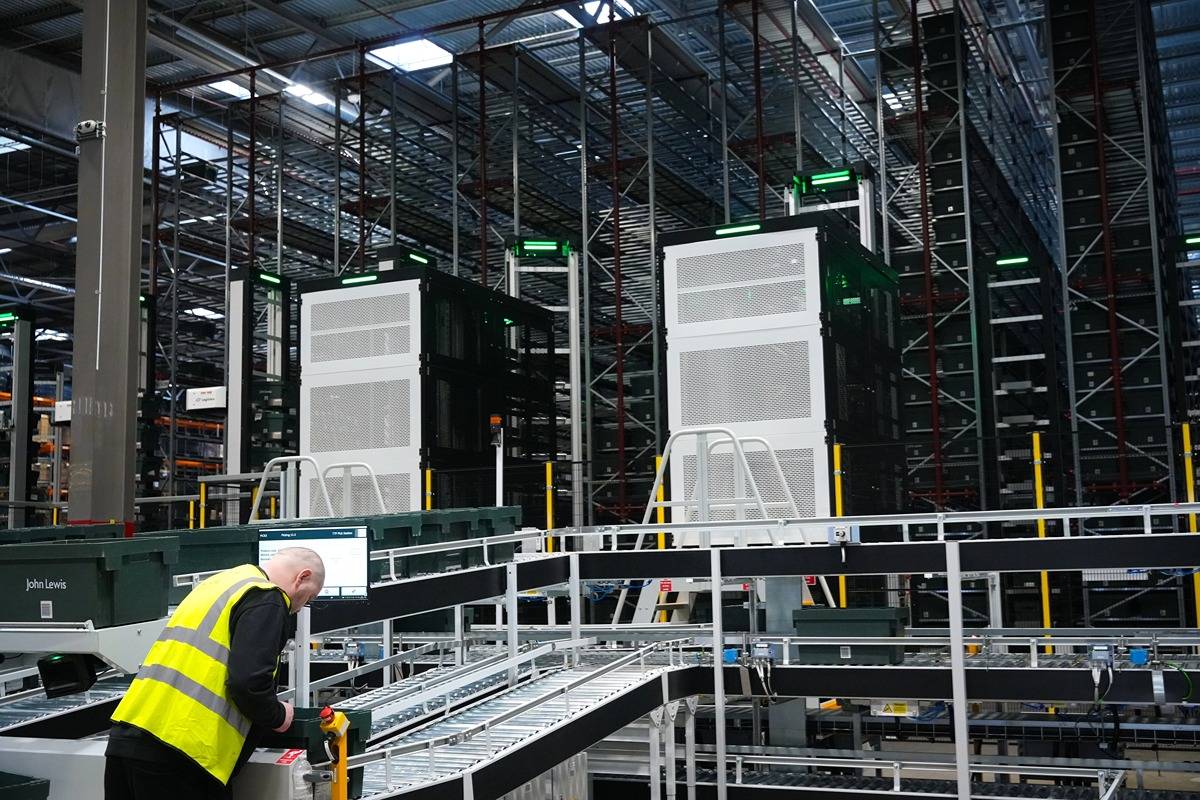
The warehouse footprint remained unchanged. What changed was how space was utilized.
Maintaining Picking Efficiency as SKU Complexity Increases
As SKU assortments expand, picking efficiency typically declines, not due to insufficient labor but due to increasing travel distance and handling complexity.
Operators spend more time walking between locations, searching for items, and managing small quantities distributed across fragmented storage structures. In apparel e-commerce, where orders often contain only one or two items, this inefficiency becomes even more pronounced.
Eliminating Travel Through Goods-to-Person Automation
Hai Robotics addresses this challenge by reversing the flow of fulfillment.
Instead of operators traveling to inventory, HaiPick robots bring inventory directly to operators.
At the workstation, the required tote is automatically delivered, allowing operators to remain stationary while focusing entirely on picking. This eliminates walking time and stabilizes productivity regardless of warehouse scale or SKU complexity.
Structuring High-Throughput Picking Workflows
Efficiency gains are further amplified through structured workstation design.
In a 1-to-1 workstation configuration, the inventory tote and order tote are positioned side by side. Operators complete each transaction in a single motion, reducing handling time and improving consistency.
For fragmented B2C order profiles, HaiQ can also group multiple orders into optimized picking waves. When multiple orders contain the same SKU, the system consolidates demand and retrieves the item once to fulfill multiple orders simultaneously.
This is particularly effective in apparel e-commerce, where single-item orders can account for more than 60% of total volume.
Maintaining Accuracy in High-SKU Environments
SKU proliferation introduces not only operational complexity but also higher risk of human error.
In apparel and footwear, many SKUs differ only by subtle attributes such as size, color, or season. Under peak-season pressure and with temporary labor in place, these similarities increase the likelihood of mis-picks.
Embedding Guidance into the Picking Process
Rather than relying on operator experience, HaiPick Systems integrates guidance directly into the workflow.
At each workstation, operators receive clear, step-by-step instructions indicating which tote to access, which item to pick, and where to place it. This system-driven approach reduces reliance on memory and minimizes variability in execution.
Verification at the System Level
To further improve accuracy, barcode scanning is used to validate each pick before it proceeds to the next stage. This ensures that incorrect items are identified immediately rather than downstream in the order process, reducing rework and customer-facing errors.
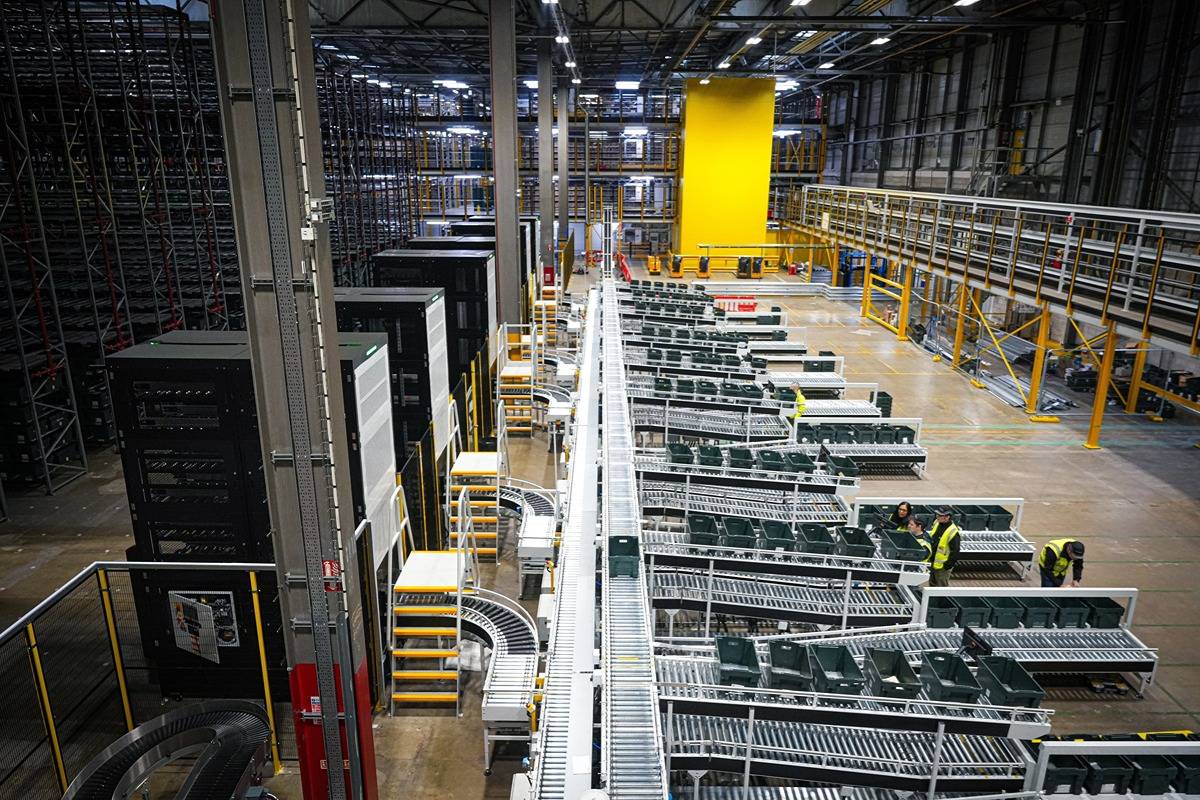
At John Lewis, this combined approach enabled the operation to maintain 99.99% order accuracy even across more than 2 million stored items and high SKU variability. The system also supports throughput of up to 1,500 totes per hour, helping the company sustain both speed and accuracy as order volumes increase.
What a More Resilient SKU Strategy Looks Like
The most effective apparel and footwear brands are no longer trying to manage SKU growth with incremental improvements to traditional warehouse processes.
Instead, they are building fulfillment systems that are inherently designed for SKU complexity.
These systems share several characteristics:
-
Higher storage density through vertical and flexible storage models
-
Dynamic inventory allocation based on real-time demand patterns
-
Goods-to-person workflows that eliminate unnecessary travel
-
Batch and wave-based picking strategies for fragmented orders
-
System-level guidance and verification to ensure consistent accuracy
U.S.-based apparel distributor Avenue Shops, managing more than 12,000 SKUs, adopted this approach to address rising SKU complexity and labor constraints.
Following deployment of the HaiPick System, the company increased storage capacity by 2.5 times, improved daily shipment volume by 65%, and significantly reduced dependence on manual labor.
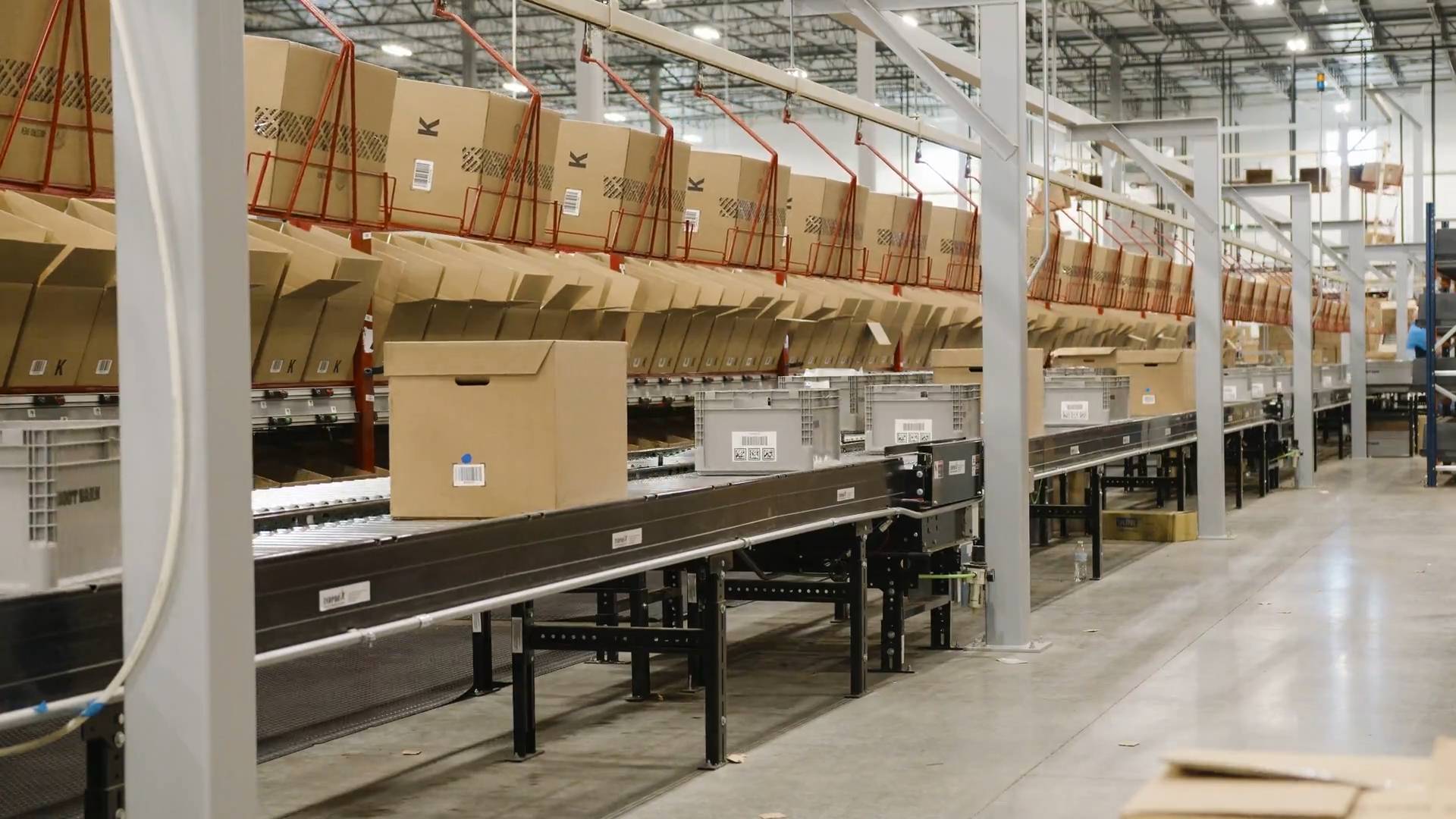
The warehouse did not become larger.
It became more adaptive.
Conclusion
SKU growth is not slowing down. For apparel and footwear brands, it will continue to accelerate alongside omnichannel expansion and consumer demand for variety.
The question is no longer how to reduce SKU complexity. It is how to operate effectively within it.
By rethinking storage logic, redefining picking workflows, and embedding intelligence into execution, leading brands are turning SKU complexity from a constraint into a scalable operational model. This is the foundation of next-generation apparel fulfillment, and it is already being implemented today.
If you are facing similar challenges with SKU growth, fragmented inventory, or declining fulfillment efficiency, we can help. Get in touch with our team to explore how you can transform your operations.