




Designing Warehouse Automation Around Change, Not Constraints
What flexibility really looks like in modern automation and what to look for on the show floor at MODEX 2026. Read the full article published on Modern Materials Handling here.
In today’s warehouse environments, change is the only constant. Demand fluctuates, product mixes evolve, and operational pressures continue to intensify. Yet many automation systems are still designed with fixed assumptions — limiting their ability to adapt once deployed.
In response, automation technology is evolving to better reflect these changing realities and is built not just for performance on day one, but for flexibility, scalability, and long-term operational success.
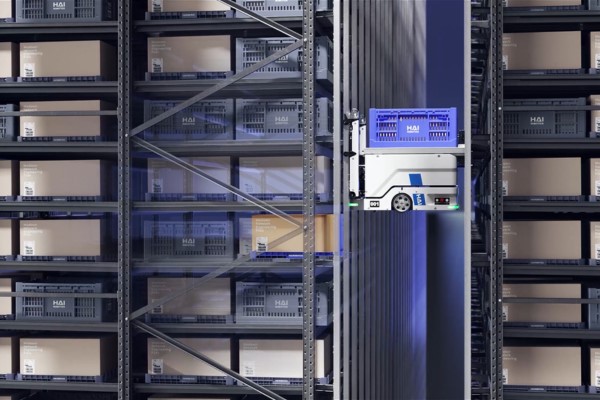
Solutions like the Hai Robotics upgraded HaiPick Climb system reflect this move toward flexibility and scalability, combining high-density storage, adaptable workflows, and modular system design. Hai Robotics will showcase these latest HaiPick Climb advancements at MODEX 2026 in Booth B15706, offering a live look at how flexible automation can be applied to real-world warehouse environments.
Innovation Grounded in Real Operations
The most impactful automation advancements are not driven by novelty, but by real operational needs. Warehouses consistently face three core challenges: space constraints, performance demands, and the need to adapt as conditions change.
Solutions that directly address these realities — rather than adding unnecessary features — are delivering stronger, more sustainable ROI.
A customer-centric approach to innovation is critical and ensures that automation investments continue to create value well beyond initial deployment. This philosophy is reflected in recent system advancements in HaiPick Climb that were shaped directly by real operational feedback.
Flexibility as a Core Design Principle
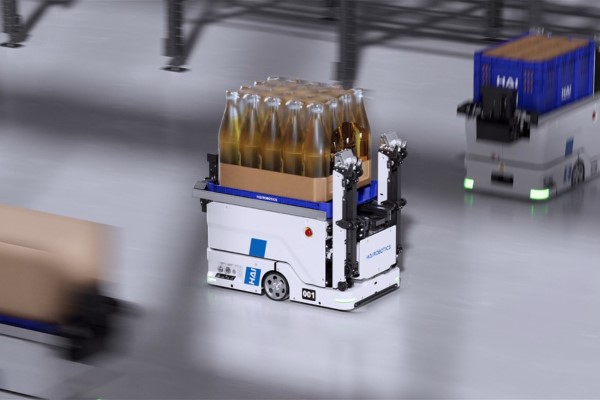
Traditional automation systems often require operations to conform to the system. In contrast, modern goods-to-person solutions are increasingly designed to adapt to real-world workflows — supporting a mix of processes, packaging types, and throughput requirements within a single framework.
This flexibility allows warehouses to:
-
Handle both cartons and eaches without added manual steps like decanting
-
Support multiple workflows — inbound, outbound, and replenishment — in parallel
-
Adjust configurations over time without fragmenting operations or adding complexity
The result is a system that evolves alongside the business, rather than becoming a constraint. This approach is already being applied in systems like HaiPick Climb, where mixed workflows and packaging types can coexist within a single automation framework.
Scaling Performance Without Expanding The Footprint
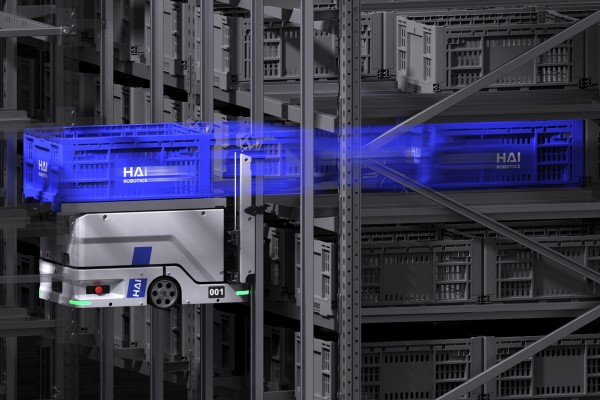
As space becomes more limited and costly, the ability to increase capacity within existing facilities is critical. High-density storage approaches, such as double-deep configurations, enable operations to significantly expand inventory capacity without physical expansion.
At the same time, improvements in robotic orchestration and system intelligence are enabling faster fulfillment performance. Goods can be delivered directly to operators in minutes and sustain throughput even during peak demand.
This combination of density and speed helps operations grow without the traditional tradeoffs between space, labor, and performance. Solutions such as HaiPick Climb demonstrate how higher storage density and faster fulfillment can be achieved simultaneously within the same footprint.
Simplicity That Drives Reliability
One of the most overlooked factors in automation success is system simplicity. Highly complex solutions can introduce operational risk, increase training requirements, and make future changes more difficult.
Modular automation architectures are addressing this challenge by offering:
-
Standardized system foundations that are easier to implement and maintain
-
Configurable components that can be added or adjusted over time
-
Clear, streamlined workflows that reduce operator burden
By reducing complexity at the system level, organizations can achieve more consistent performance and faster time to value.
From Implementation to Long-Term Success
Ultimately, the success of any automation system is not defined at launch, but over time. Systems that can scale, adapt, and integrate seamlessly into evolving operations are the ones that deliver lasting impact.
As more warehouses adopt flexible, modular automation approaches, the focus is shifting from standalone system performance to continuous operational success, where technology supports the business at every stage of its growth.
These principles will be on display at MODEX 2026 at the Hai Robotics Booth B15706, where solutions like HaiPick Climb highlight what flexible and adaptable automation looks like in practice.