THE THREE BOTTLENECKS HOLDING BRANDS BACK
Despite the stakes, most fashion warehouses are still fighting the same structural problems. And they compound each other.
1. The Labour Trap
Labour is the single biggest bottleneck in fashion warehousing today. Major logistics hubs across Poland, the Netherlands, and parts of Germany were built precisely because labour was available and affordable. But concentration created its own crisis: dozens of large warehouses competing for the same workforce, driving costs up and availability down.
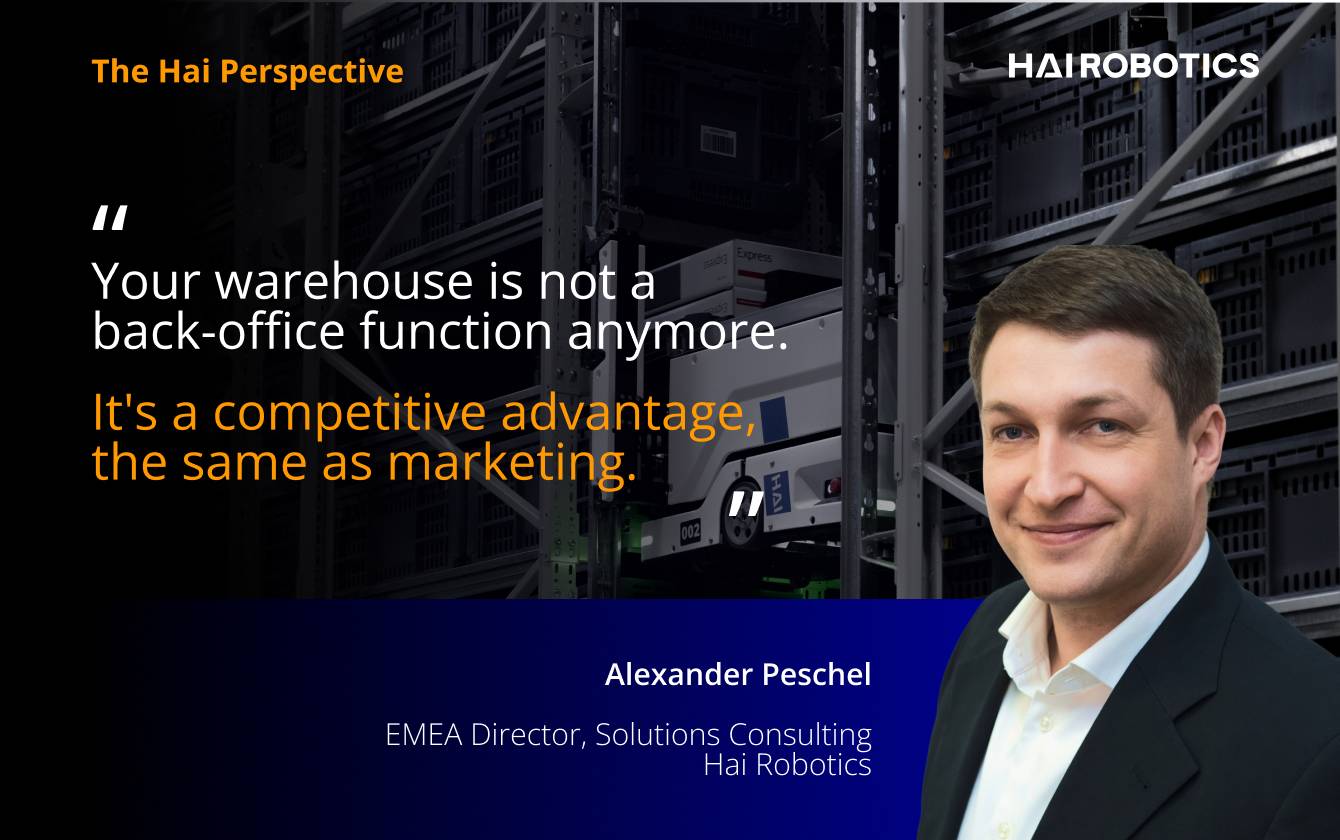
"The item you're selling might be cheap," Peschel explains, "but if your labour and handling costs are expensive, the margin disappears fast."
This dynamic is one of the most compelling structural arguments for automation. Not as an efficiency exercise, but as a survival calculation.
2. The Changing Business Problem
Consumer behaviour has shifted faster than most warehouse systems were built to handle. The pandemic accelerated e-commerce adoption. Chinese platforms redefined delivery expectations. Manual warehouses became increasingly inefficient. But even automated ones hit a wall: systems built for one specific business model are extraordinarily difficult and costly to adapt when that model changes. What seems like a process adjustment often means dismantling entire workflows, or rebuilding from the ground up. The warehouses that can flex win; the ones that can't, stall.
3. Legacy Automation at End of Life
Many fashion warehouses are running automation systems purchased 20 years ago. At the time, they were cutting-edge. Today, they're a constraint dressed up as an asset. Maintenance costs climb. Flexibility shrinks. Integration with modern WMS platforms and AI becomes near-impossible. The decision to replace them crosses finance, logistics, and sales, and so it gets delayed, year after year, until the pain is too great to ignore.
THE BLIND SPOTS MOST BRANDS WON'T ADMIT
The most valuable insight from conversations with operators across EMEA isn't what they know. It's what they don't know they're missing.
"The blind spot comes from the processes they're used to," Peschel explains. "You do things the way you've always done them, because you've built workarounds for your limitations and those workarounds feel normal. You don't see the possibilities that could fundamentally change your situation, because you've never had to."
A critical pattern emerges repeatedly: when brands invest in automation, they automate their existing process rather than rethinking the process itself. Robots placed into old workflows to replicate what humans were doing. Multiple automated machines with significant manual steps in between. This is short-term thinking dressed as modernisation. It creates the illusion of progress without delivering structural gain.
The brands that break through are the ones willing to challenge the process entirely. Not just to upgrade what exists, but to ask: if we were building this today, would we build it this way at all?
WHAT WILL SEPARATE WINNERS IN THE NEXT DECADE
Looking ahead five to ten years, Alexander Peschel is clear on what will matter: the ability to deliver the best service consistently, at scale, at cost. And that cannot be achieved through manual labour alone.
"Cost efficiency at today's expected service levels is not achievable with normal labour," he says. "Chinese companies understood this earlier, because their domestic competition forced them to. They automated because they had no choice. European brands still have a window. But it's closing."
JD.com is already operating in the Netherlands, offering same same delivery within 12h and soon it will be even less than that. Europe's e-commerce penetration sits at 5 to 15%; China's is at 50%. The gap in operational maturity is not theoretical. It's arriving at your customer's door.