




Five Things That Matter Most When Choosing a Climbing Robot System
Beyond speed and climbing height, what really defines a mature climbing robot system? Discover five key factors that show whether a solution has been proven to deliver reliably, continuously, and at scale in real-world operations.
Choosing a climbing robot system is a long-term decision that can shape warehouse performance for years. While specifications such as climbing height, travel speed, and throughput provide useful points of comparison, they do not fully reveal how a system will perform once it becomes part of daily operations.
The real test comes in a live warehouse—where the system must handle changing order volumes, complex inventories, peak demand, continuous operation, and unexpected exceptions while maintaining consistent performance. At that point, what matters is not simply the capability of an individual robot, but the maturity and performance of the entire system.
So, when evaluating a climbing robot system, the question should go beyond “What can this technology do?” to “What has it already proven in real-world operations?” Here are five factors that can help businesses evaluate whether a system is ready to deliver long-term operational value.
1. Commercial Validation at Scale: A Key Measure of System Maturity
As climbing robot solutions become more widely available, it is increasingly common to see impressive specification sheets across different providers. Robots can travel vertically along racks, automatically store and retrieve goods, and coordinate with other robots through software. In a demonstration or simulation, the differences between solutions may not always appear significant.
But warehouse automation does not operate in a laboratory or simulation. It must perform every day under real operating conditions, handling real orders, real inventory, and real demand peaks. Coordinating a few or a few dozen robots is fundamentally different from managing hundreds or even thousands of robots in continuous commercial operation. As system scale increases, multi-robot orchestration, task conflicts, congestion, exception recovery, equipment maintenance, and performance under heavy workloads all become significantly more demanding.
A successful demonstration can show that a technology works. Large-scale commercial deployments go further: they demonstrate whether the technology can become infrastructure that businesses can depend on over the long term. When evaluating a climbing robot system, companies should therefore look beyond product specifications and consider how many real commercial deployments the technology has completed, whether it has supported projects involving hundreds or thousands of robots, whether those systems have operated through real peak periods, and whether they have delivered measurable improvements for customers.
Today, the global cooperation scale of HaiPick Climb has surpassed 10,000 climbing robots, with deployments continuing across warehouse environments worldwide. From managing peak-season order surges in apparel and fragmented picking in cross-border 3PL operations to supporting frequent replenishment in beauty and stringent accuracy requirements in pharmaceuticals, HaiPick Climb is addressing diverse, real-world operational demands across industries. This milestone reflects strong market recognition of the system and demonstrates Hai Robotics’ ability to support commercialization at scale through a reliable supply chain, mature quality control, efficient project deployment, and standardized after-sales service.
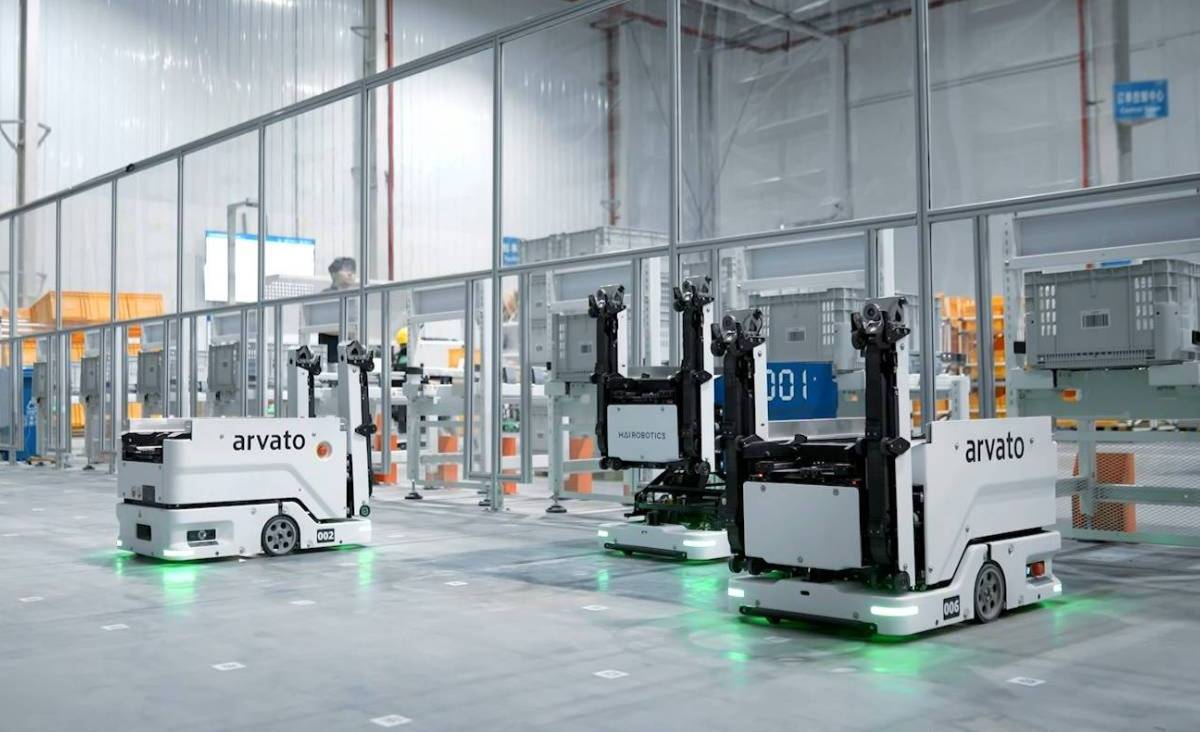
Scale is not the end goal, but it is an important indicator of maturity. The more real-world deployments a technology has experienced, the broader the range of order profiles, SKU structures, peak periods, system exceptions, and warehouse conditions it has had to handle. True validation at scale means that the same core technology and system capabilities can be repeatedly deployed across different customers, markets, and project sizes—and consistently translated into operational value.
2. Reliability and Operational Resilience: The Real Test Begins After Go-Live
Commercial validation at scale helps answer whether a system has been tested in the real world. The next question is whether it can continue to operate reliably once it becomes part of day-to-day warehouse operations.
Real warehouses are far more complex than demonstration environments. Systems must handle constantly changing order volumes, diverse SKU profiles, equipment wear from continuous use, network fluctuations, unexpected system events, and seasonal peaks. As a deployment grows from a few robots to dozens, hundreds, or more, the complexity of software orchestration, robot coordination, and exception management also increases significantly.
For this reason, the real comparison should not be limited to whether an individual robot is reliable. What matters is whether the entire system has sufficient operational resilience. If one robot fails, can tasks be reassigned automatically? If part of the operating area becomes temporarily unavailable, can the system adjust its strategy? Can exceptions be identified, isolated, and resolved quickly? How much disruption does routine maintenance cause? And are there comprehensive safety mechanisms covering robots, racks, workstations, people, software, and control systems?
A mature automation system is not one that never encounters an exception. It is one that can keep operations running when localized issues occur and recover as quickly as possible. For businesses that depend on automation to fulfill orders every day, this level of operational resilience often matters far more than any single peak specification on a product sheet.
3. System Throughput: System-Level Performance Matters More Than Robot Speed
The travel speed of an individual robot is one of the easiest specifications to compare. But customers are not ultimately investing in a standalone robot. They are investing in an entire warehouse automation system.
From the moment an order enters the system, performance depends on multiple steps: inventory identification, task allocation, robot retrieval, tote delivery, workstation processing, and the transition to the next task. Any bottleneck in this chain can affect overall throughput. A robot may have a high maximum speed, but if multi-robot coordination is inefficient or the system experiences waiting and congestion under heavy workloads, that speed may not translate into better fulfillment performance.
When comparing climbing robot systems, companies should therefore look at how long it takes for a target tote to reach a workstation, what sustained throughput the system can deliver, whether efficiency remains stable when many robots operate simultaneously, and whether overall performance can be maintained during peak periods and under high system utilization.
What truly differentiates one system from another is rarely the maximum speed achieved by a single robot under ideal conditions. It is the combined performance of robots, software, racking, workstations, and the entire material flow. The more meaningful question is not simply, “How fast is the robot?” but “How fast is the system?”
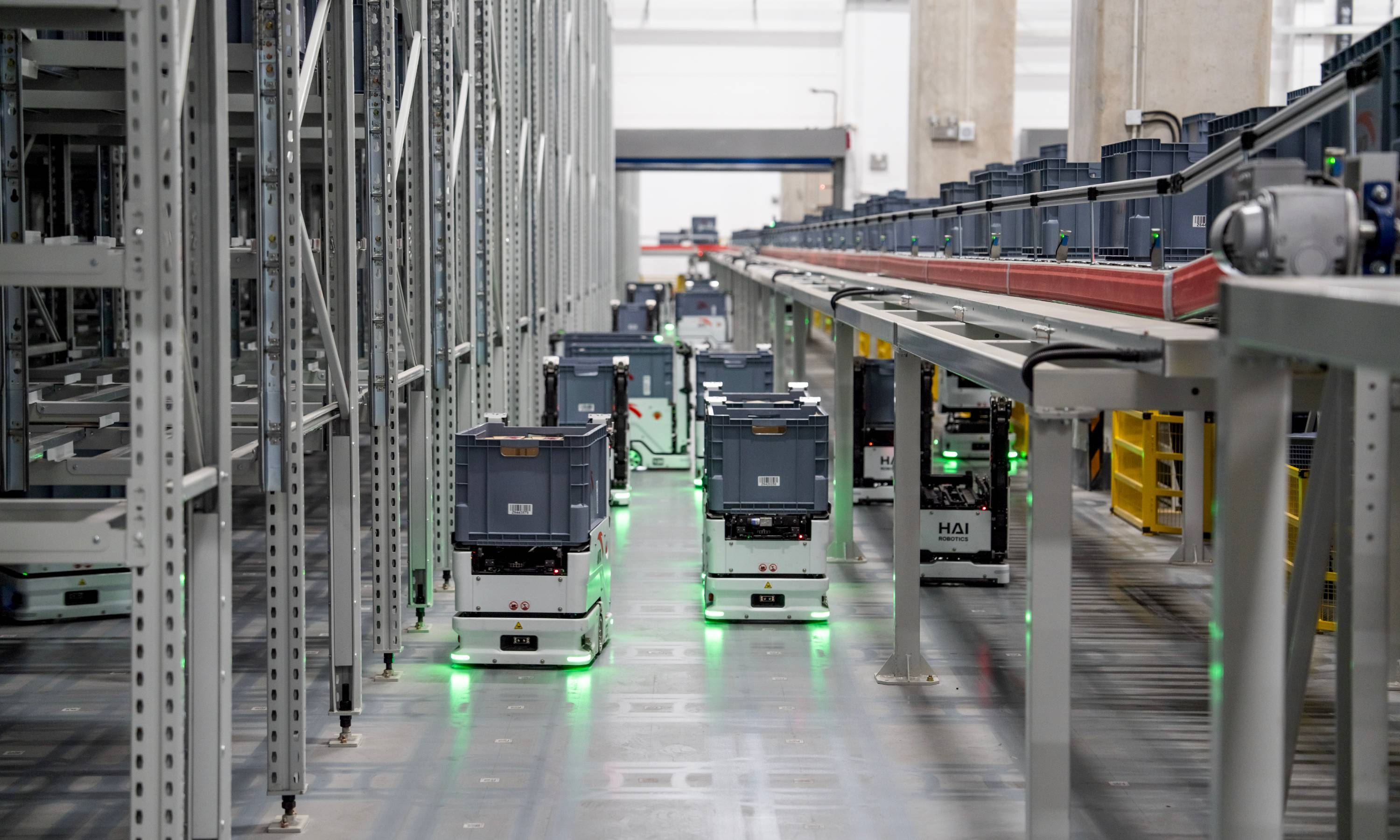
4. Storage Density: It Is Not About How High a Robot Can Climb, but How Much Usable Capacity the System Creates
One of the most visible advantages of a climbing robot system is its ability to make better use of vertical warehouse space. But when comparing different solutions, maximum climbing height alone does not tell the full story of how much storage value a system can create.
Two systems with similar maximum operating heights may deliver very different effective storage densities. Rack design, aisle width, robot operating logic, tote dimensions, and equipment layout all influence how many usable storage locations can ultimately be created.
A more meaningful question is how much effective storage capacity a system can provide within the same building footprint and physical constraints, and whether inventory can still be accessed quickly and reliably once that higher density is achieved.
A strong climbing robot system should do more than simply make racks taller. Through the coordinated design of robots, racking, workstations, and the overall layout, it should maximize usable storage capacity while maintaining strong inventory accessibility and system performance. For warehouse operators, the real measure is not how many meters a robot can climb, but how much productive storage value each square—or even cubic—meter of warehouse space can generate.
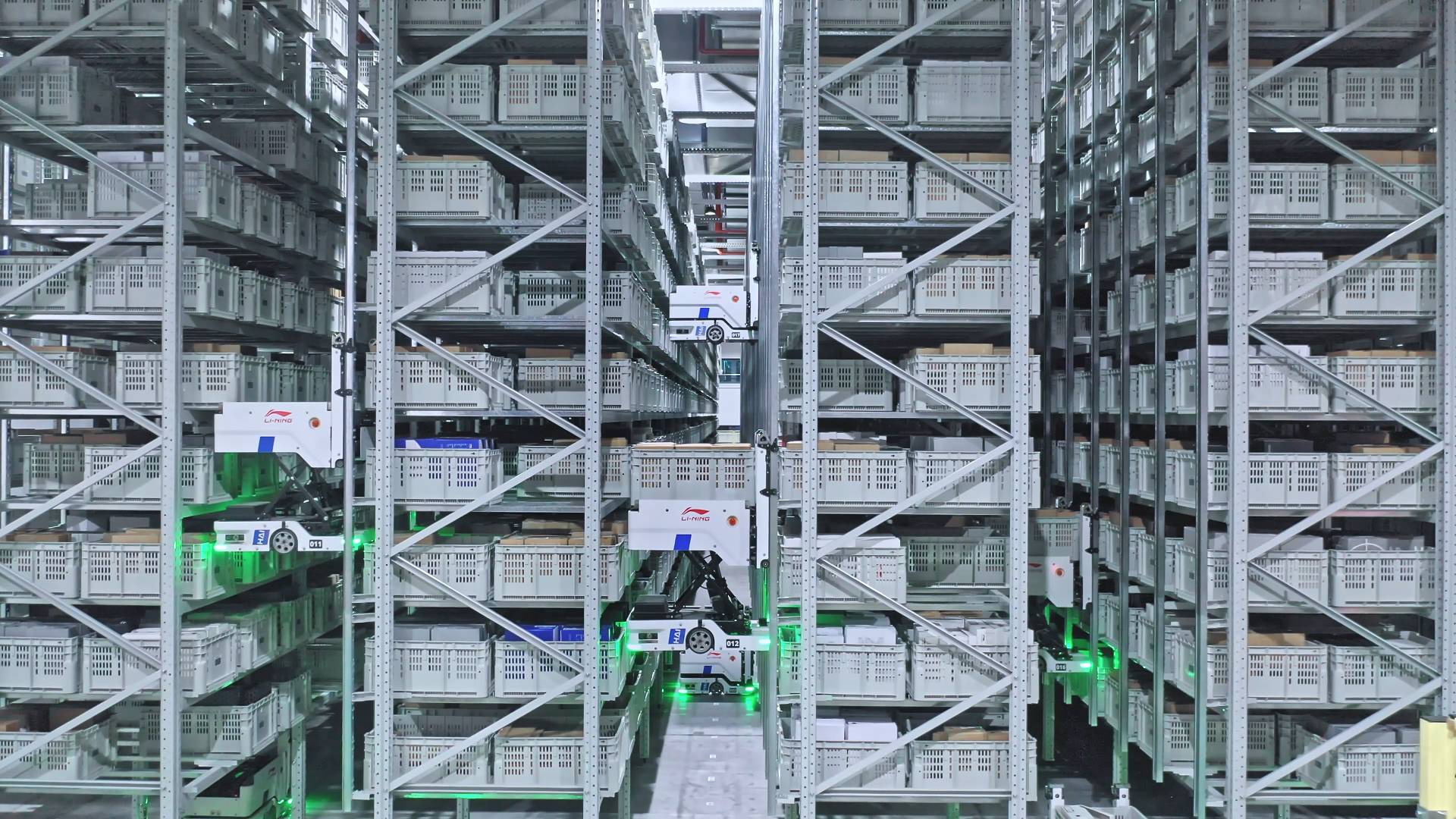
5. Scalability: A Mature System Should Grow With the Business
Warehouse automation is a long-term investment, but business requirements rarely remain unchanged. SKU counts may increase, order volumes may rise quickly, peak periods may become more demanding, and fulfillment models may evolve over time.
The real value of an automation system therefore lies not only in its ability to meet today's requirements, but also in how easily it can adapt to tomorrow's needs.
Compared with systems that depend heavily on fixed infrastructure and require major modifications to expand, more modular solutions can increase capacity progressively by adding robots, racks, storage locations, or workstations. This reduces disruption to existing operations and means companies do not need to invest on day one for the maximum demand they may face several years into the future.
When evaluating a solution, businesses should consider not only whether it meets current storage and throughput requirements, but also how easily additional robots, workstations, and storage locations can be added in the future. They should also examine whether software and system configurations can adapt as SKU profiles, order structures, and operational processes change.
A mature automation system should not become a constraint as the business grows. It should grow with it.
The Real Difference Goes Beyond the Specification Sheet
For businesses evaluating climbing robot systems, what matters most is whether the capabilities behind the technical specifications can be consistently translated into operational value in real commercial environments.
Commercial validation at scale shows whether a technology has been thoroughly tested in the real world. Reliability and operational resilience determine whether the system can become infrastructure a business can depend on. System throughput shows whether robot capabilities can translate into fulfillment performance. Storage density determines how much productive value can be created from limited warehouse space. And scalability determines whether today's automation investment can continue supporting tomorrow's growth.
Ultimately, all five considerations lead back to one question: Is this a system that can theoretically deliver, or one that has already proven it can deliver consistently in the real world?
For an automation system expected to support mission-critical warehouse operations over the long term, maturity is not defined by a successful demonstration or an impressive number on a specification sheet. It is demonstrated through real deployments, real orders, different SKU structures, peak periods, operational exceptions, and the ability to continue delivering value across them all.
From “Can Do” to “Proven in Practice”
For climbing robot systems, what matters is no longer simply whether a capability can be achieved, but whether it has been repeatedly validated in real commercial operations and consistently translated into measurable value.
Today, the global cooperation scale of HaiPick Climb has surpassed 10,000 robots, across multiple industries and warehouse scenarios. The significance of that number lies not only in scale itself, but in the thousands of real operating conditions, orders, and business challenges through which the system has been tested.
For a warehouse automation system expected to support long-term operations, the more important question is not only “What can it do?” but “What has it already proven in the real world?”