




Safety. Always on.
A standard that guides everything we do.
Safety is a standard we apply across every stage of an automation project, from system planning and deployment to daily operation, maintenance, and support. It shapes how we protect people, systems, and operations over time.
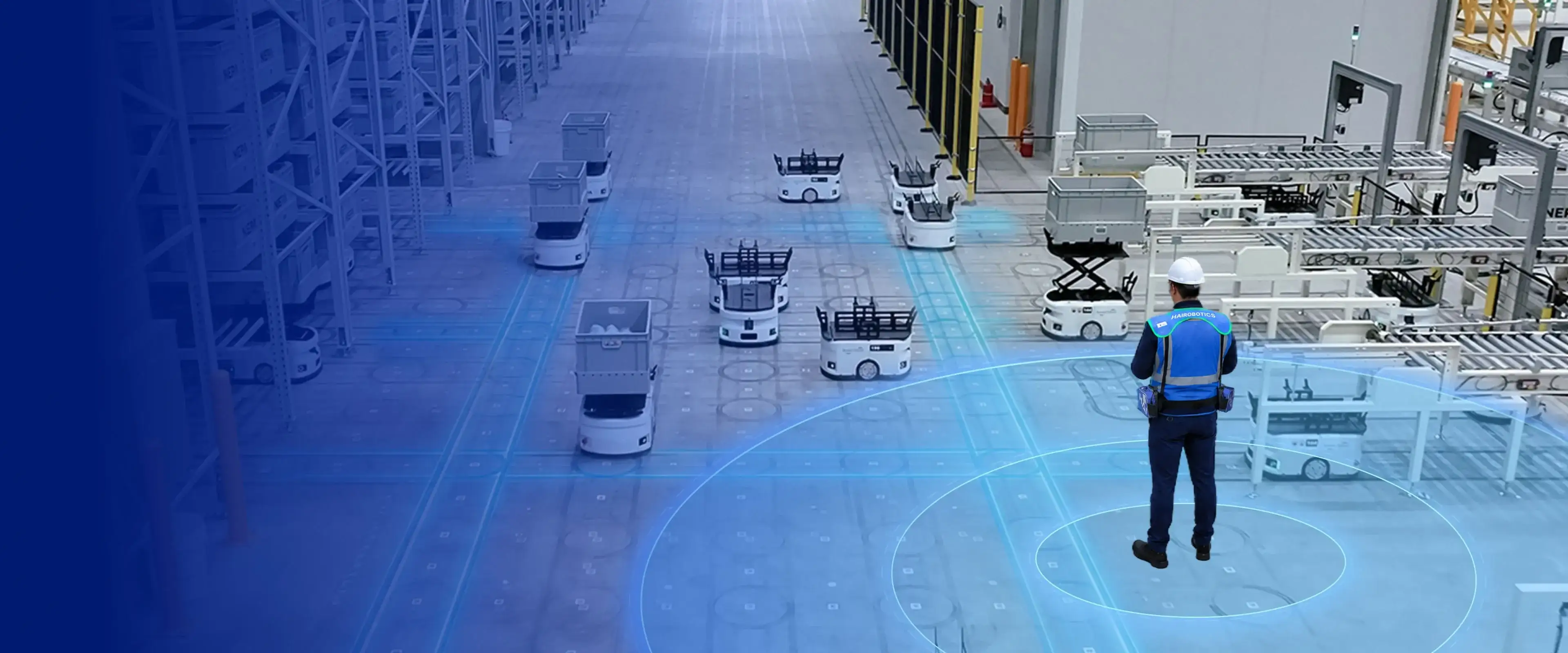
Sense. Assess. Respond.
Warehouse conditions change by the minute. The system reads those conditions, assesses the risk, and responds before issues escalate.

Know what is changing
Equipment status, traffic conditions, and battery condition are monitored across the operating area, along with the presence of people working inside it.

Decide what it means
The system evaluates real-time conditions against safe separation distances and traffic rules, dynamically rerouting around people and congestion.

Act before it escalates
Robots slow, reroute, or stop according to what is detected. Interlocked doors halt affected equipment. On a fire alarm, operations pause, and emergency access routes are kept clear.
Protected at the Perimeter, at the Door and Inside
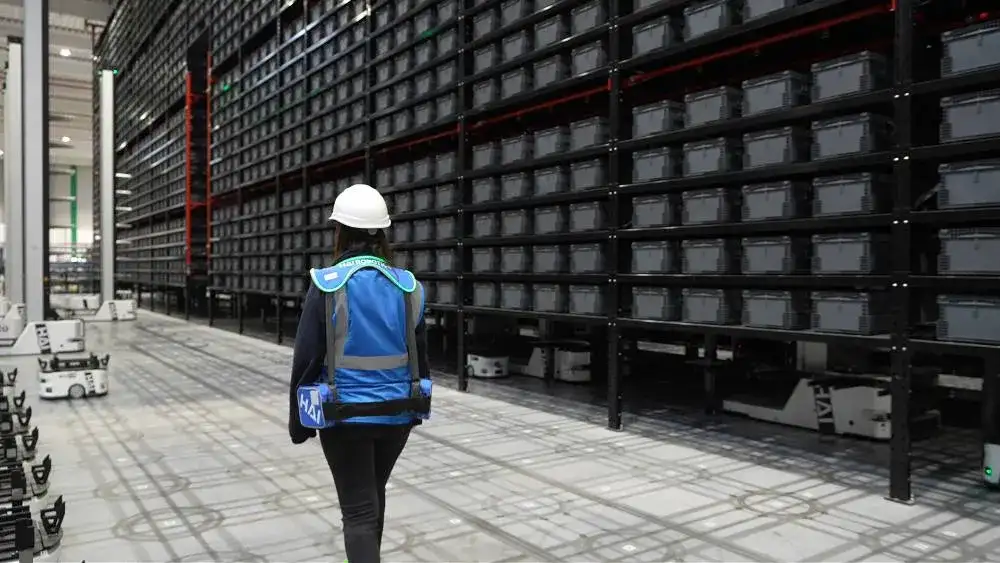
People enter warehouse areas for daily work, inspections, maintenance and exception handling. Each of those is a different kind of exposure, so protection works in three tiers.
- Physical Separation
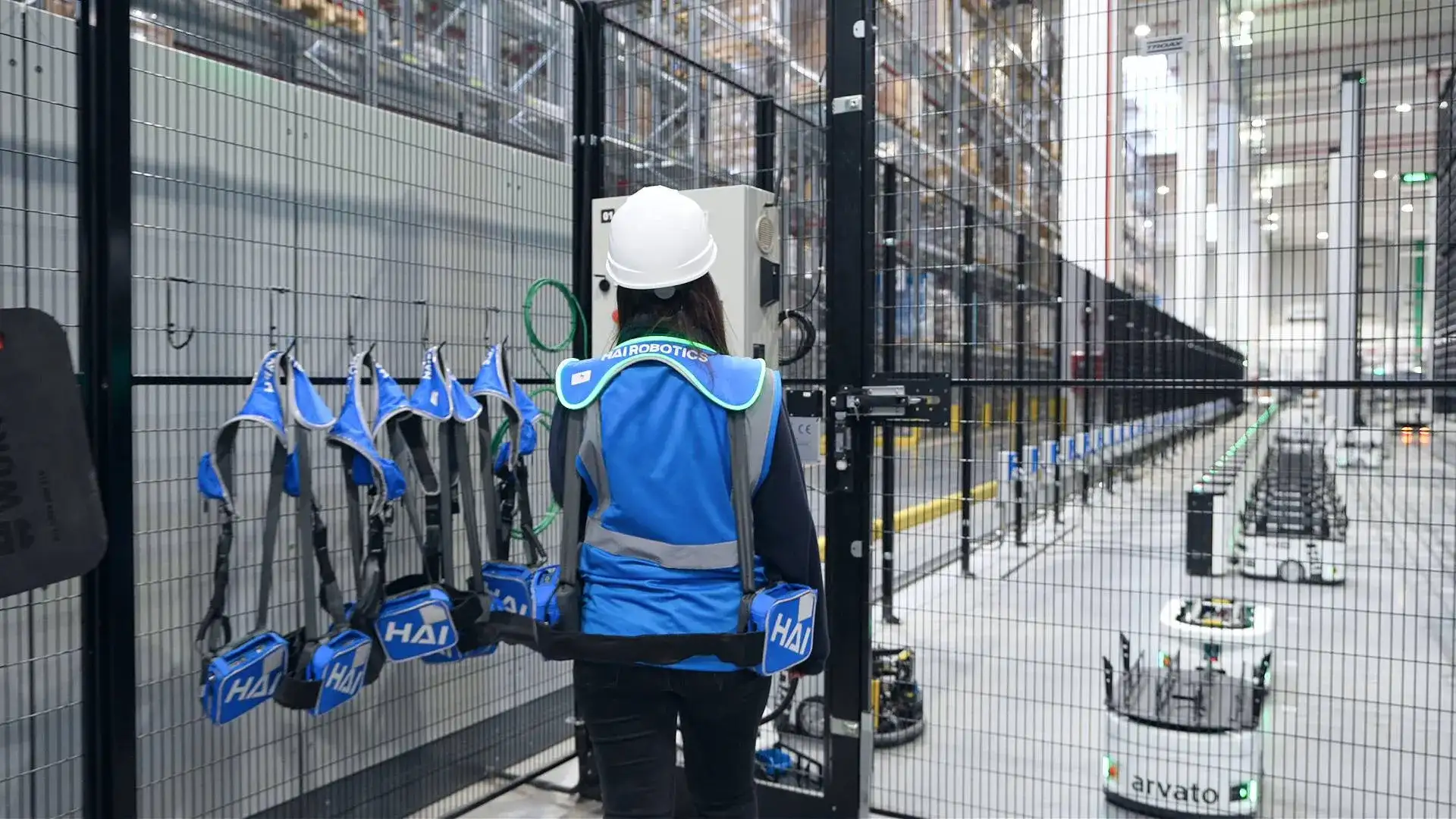
Safety fencing and physical safeguards separate personnel areas from robot operating zones, designed to prevent unintended access or contact with moving equipment during normal operation.
- Interlocked Access
Access doors are interlocked with equipment status, so entering a controlled area automatically brings affected equipment to a safe stop.
- Dynamic Protection: HaiVest
For work that has to happen inside a live system, HaiVest keeps the wearer visible to the robots around them. Robots adjust their routes, slow at range and stop at close quarters. The person is protected, and the rest of the system carries on working.
Fire Safety, Considered at Every Stage
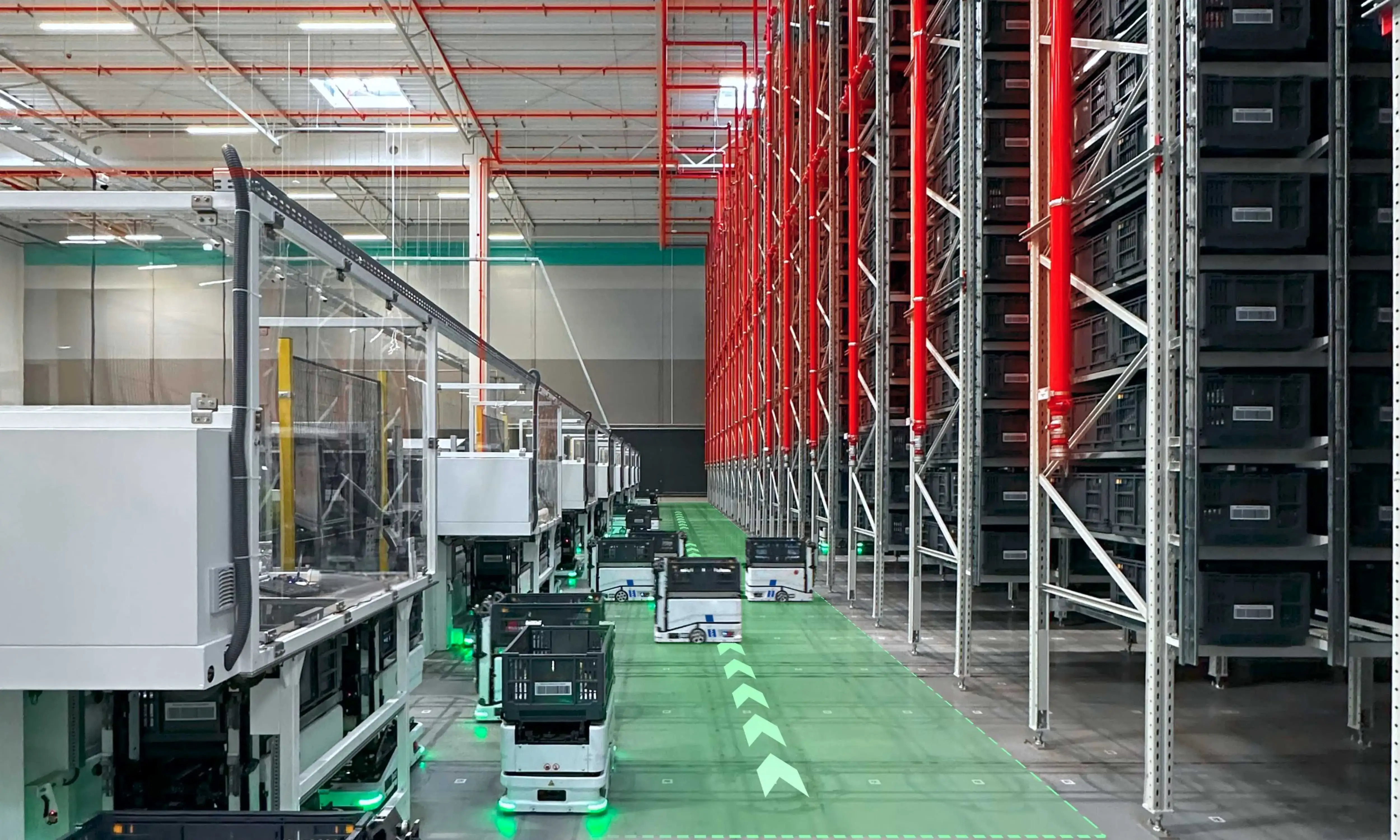
Lithium batteries, charging infrastructure, and dense vertical storage introduce specific fire-safety considerations. Hai addresses these risks from the earliest stages of system design, combining preventive safeguards, facility coordination, and response planning with reference to applicable NFPA requirements and FM Global guidance.
- Prevention
Validated battery packs, battery-condition monitoring, and charging protection help identify abnormal conditions early and reduce the risk of overheating or overcharging.
- Coordination with the Building
Racking, charging areas and traffic routes are planned considering fire-safety requirements from the layout stage. The system integrates with facility fire alarms, smoke detection and sprinklers. On alarm, operations pause and robots move clear so emergency access routes stay open.
- Response
In the event of a fire-related incident, power loss or equipment failure, Hai provides round-the-clock remote and on-site support to assess the situation, help contain operational impact and restore the system safely.
Security Built into Every Connection
Connected automation should strengthen your operations without creating added security concerns. Hai protects the connections between robots, warehouse software, and enterprise systems through safeguards designed to secure your data, control access, and support reliable uptime.

Stable Operations
Encrypted communications and stability measures limit the effect of network disruption, system exceptions, and peak load on daily running.

Data Protection
Business data is protected in transmission, storage, and use, with encryption and local deployment options that keep data movement outside your network to a minimum.

Controlled Access
Role-based permissions align system access with user responsibilities, while key actions are recorded and traceable.

Safety that Protects System Availability
A safe automation system does more than reduce risk. It helps operations stay consistent, controlled, and productive as warehouse demands become faster and more complex.

Fewer Interruptions
Minimize the operational impact of maintenance and exception handling.

Lower Exposure
Reduce risks to people, equipment, and stored inventory.

Stable Fulfillment
Maintain consistent outbound performance through peak periods and complex operating conditions.

Room to Grow
Support higher operating density and system expansion with safety built into the operation.
Validated Where It Counts
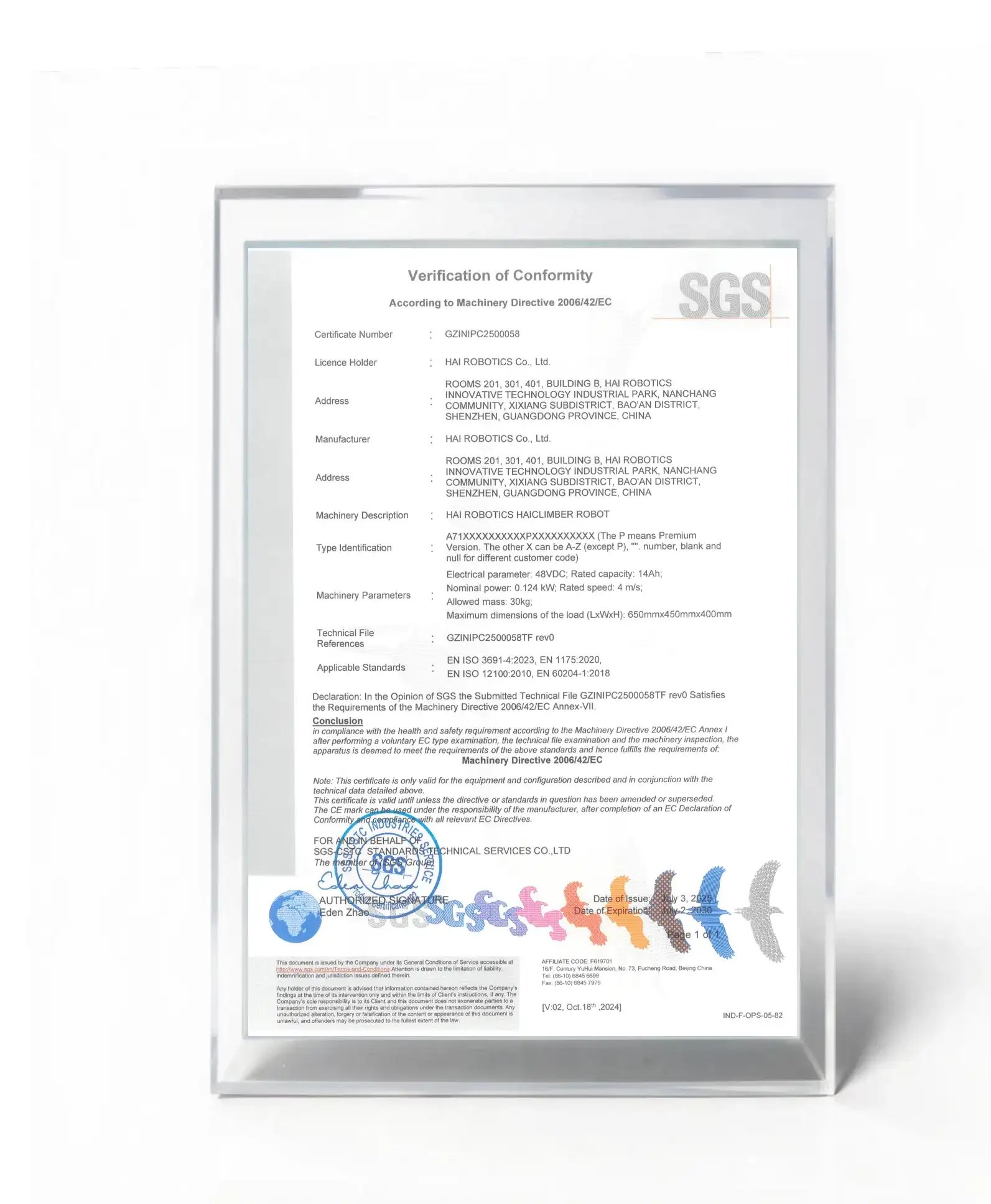
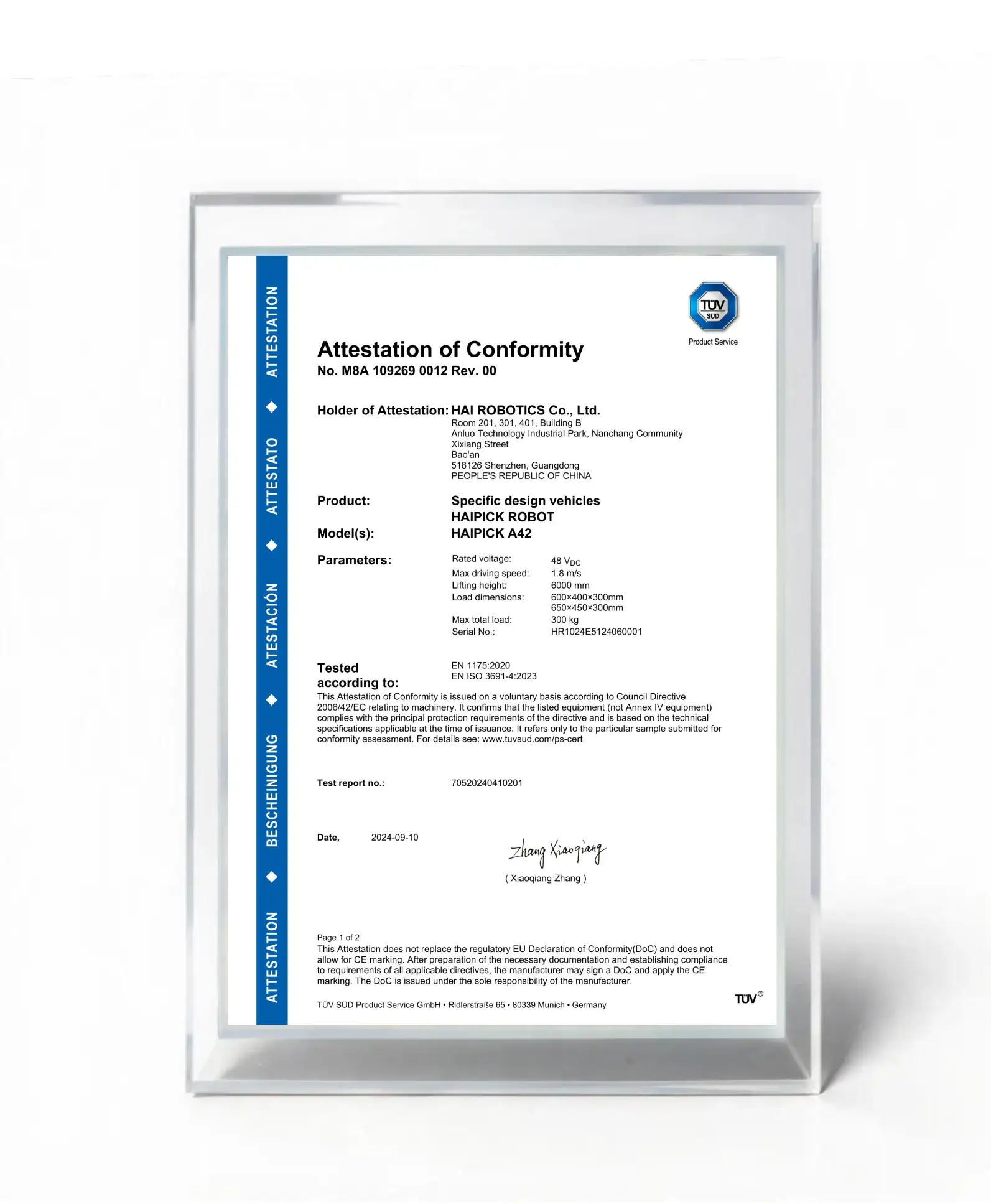
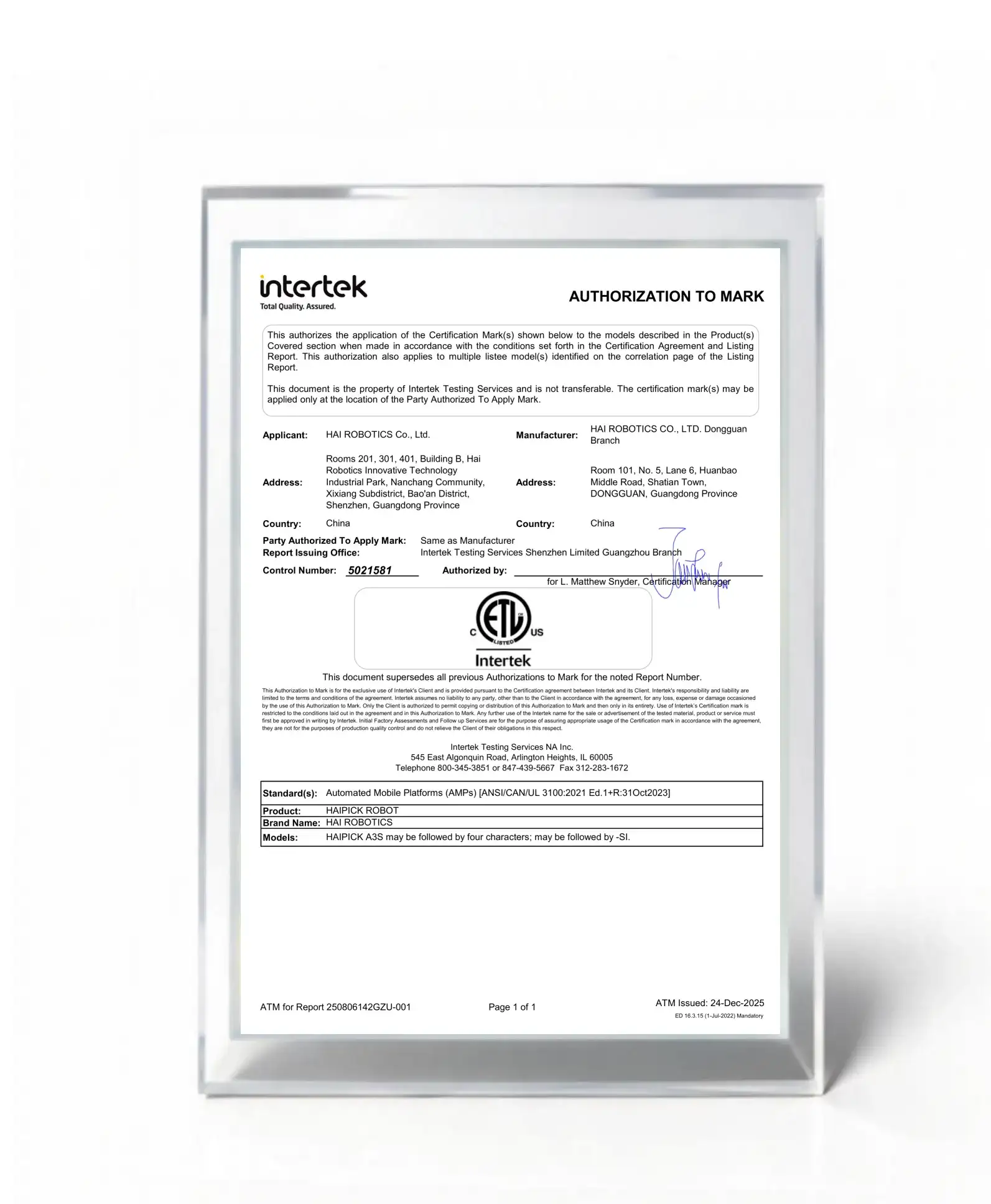
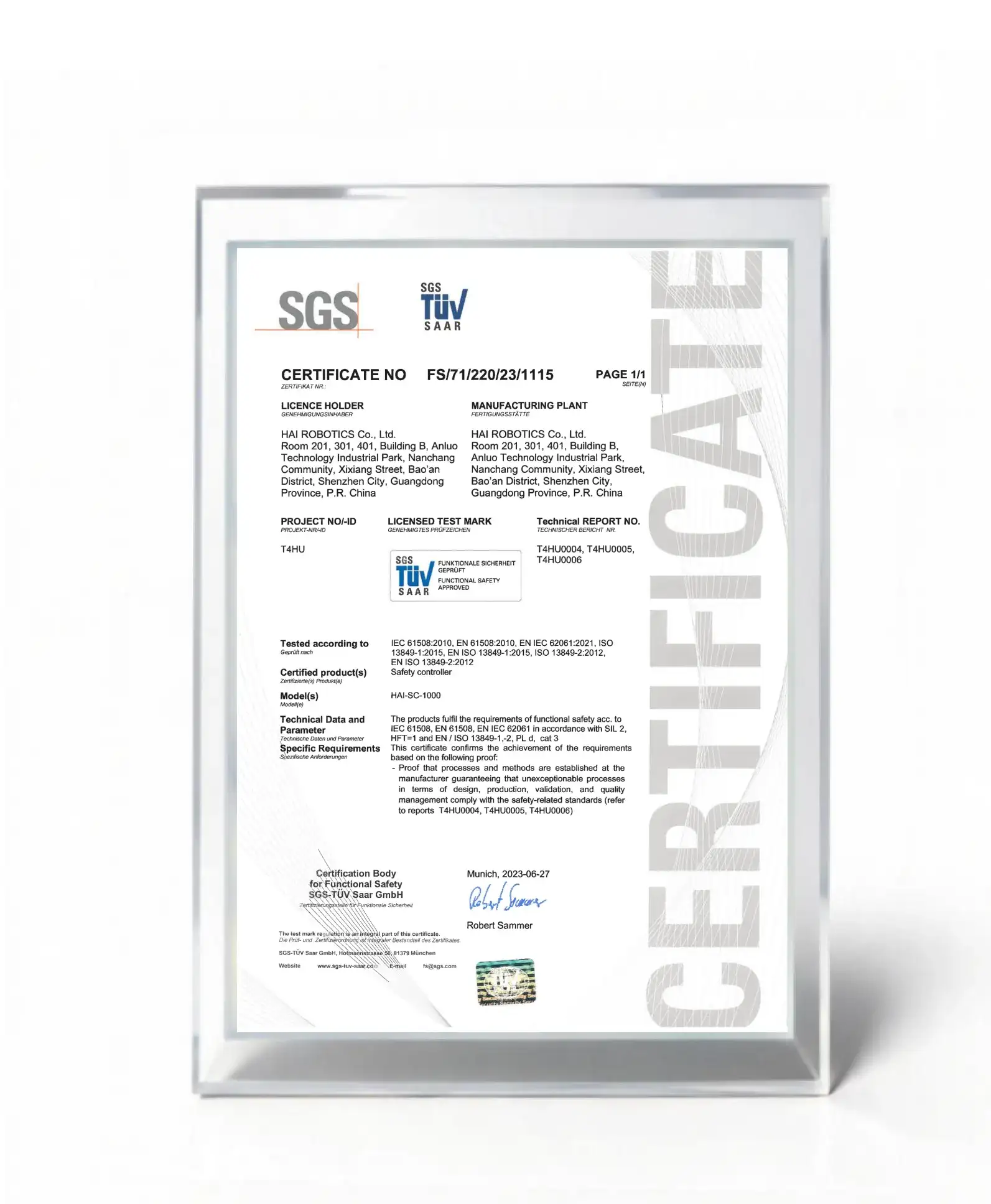
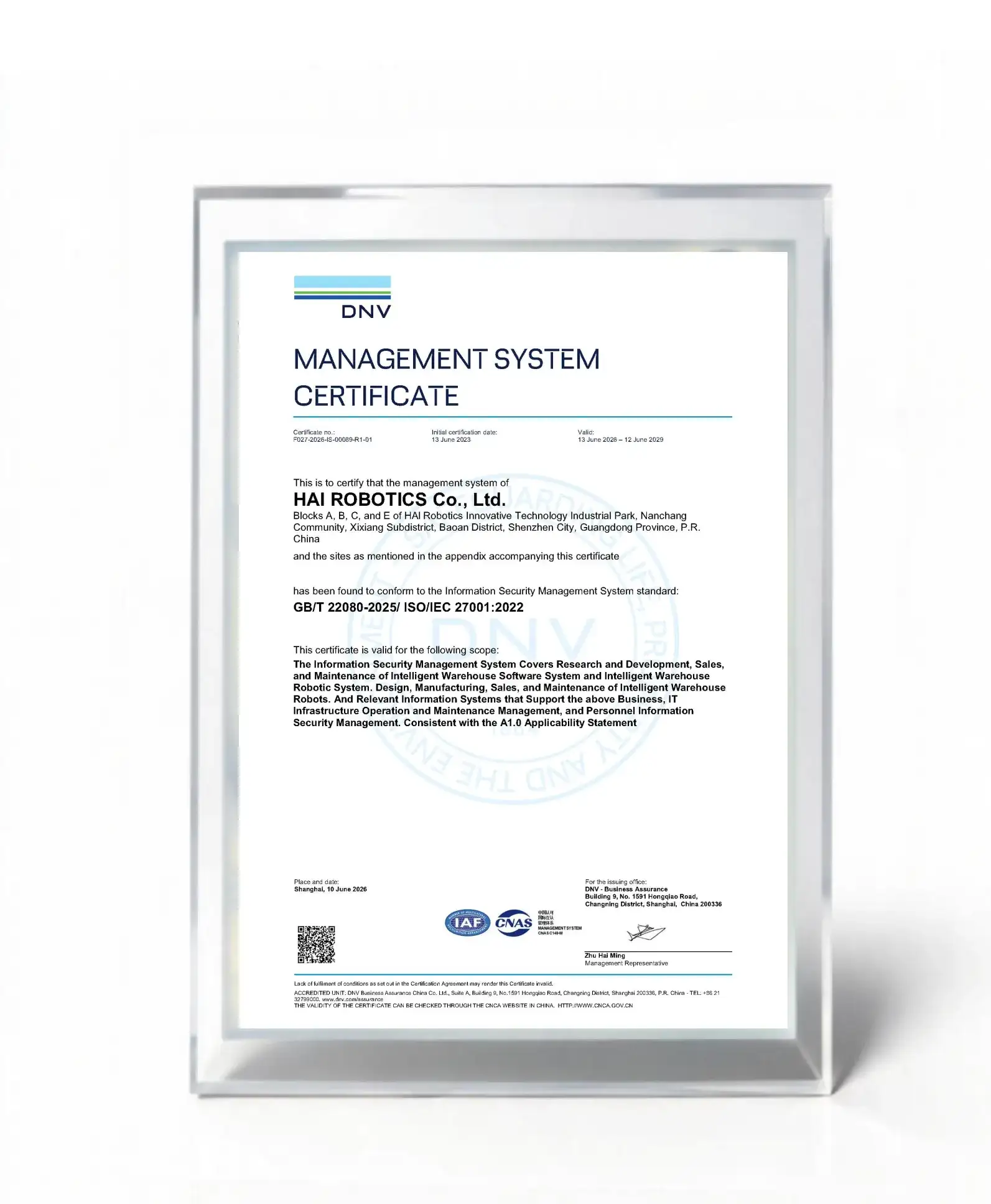
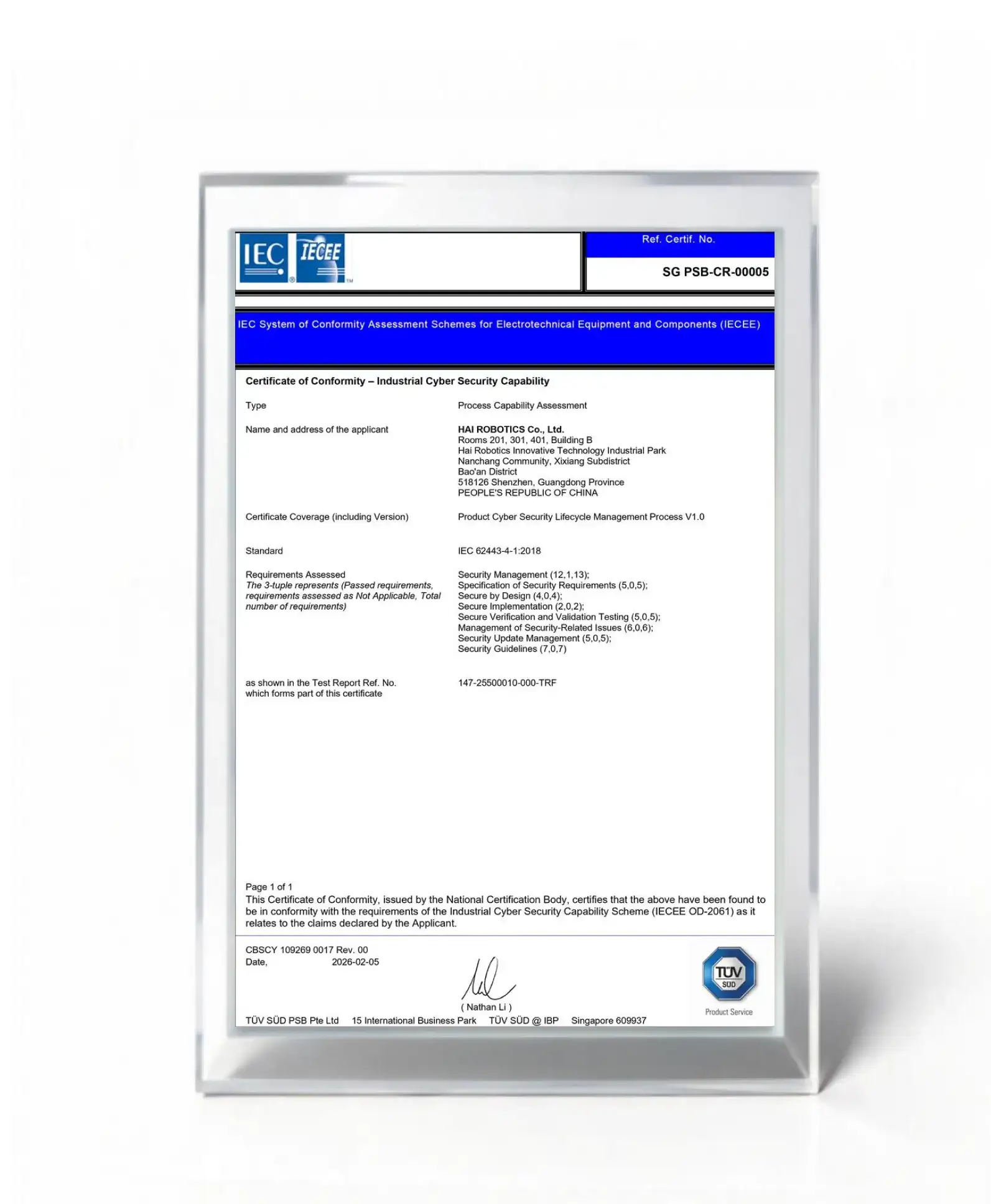
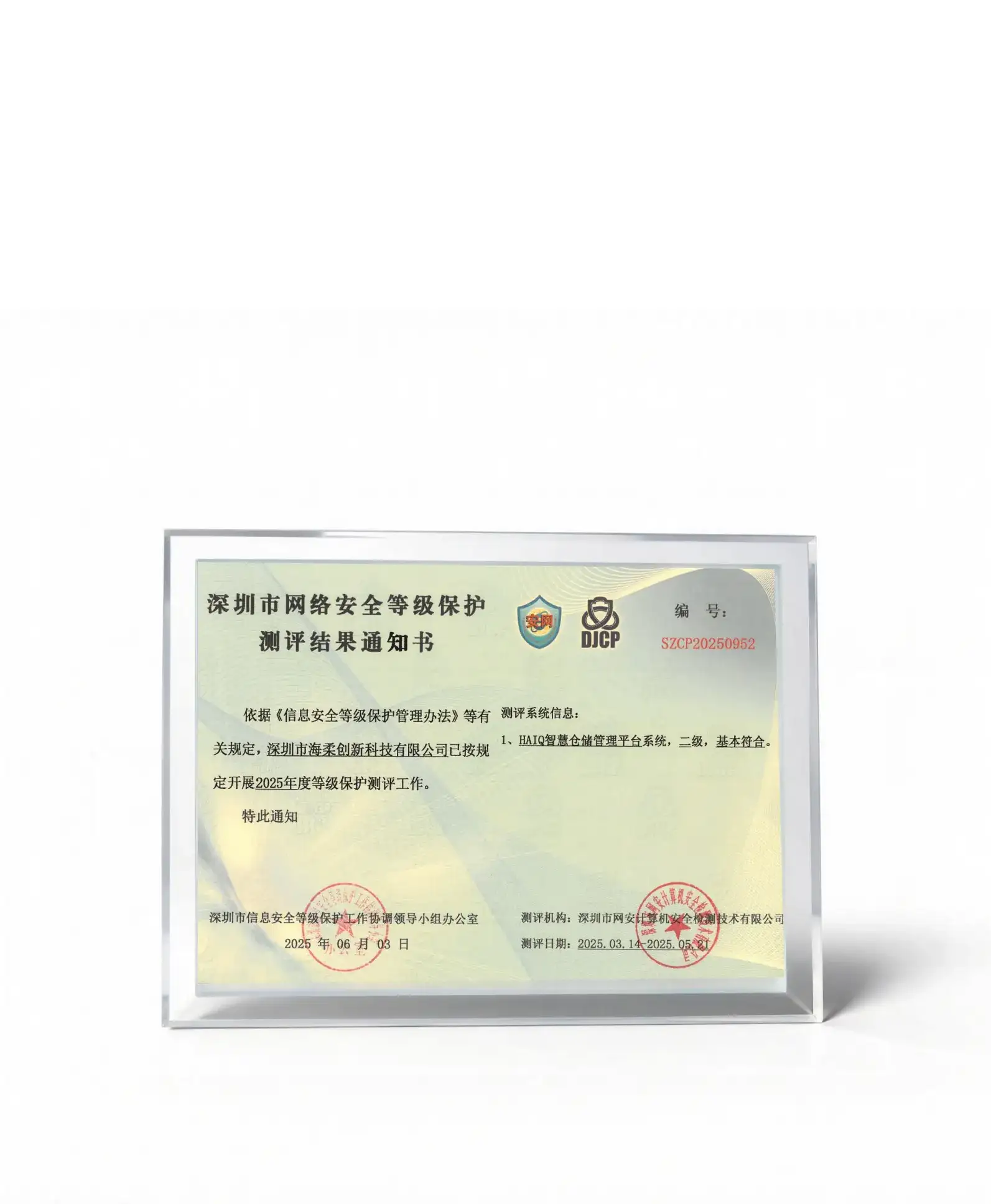
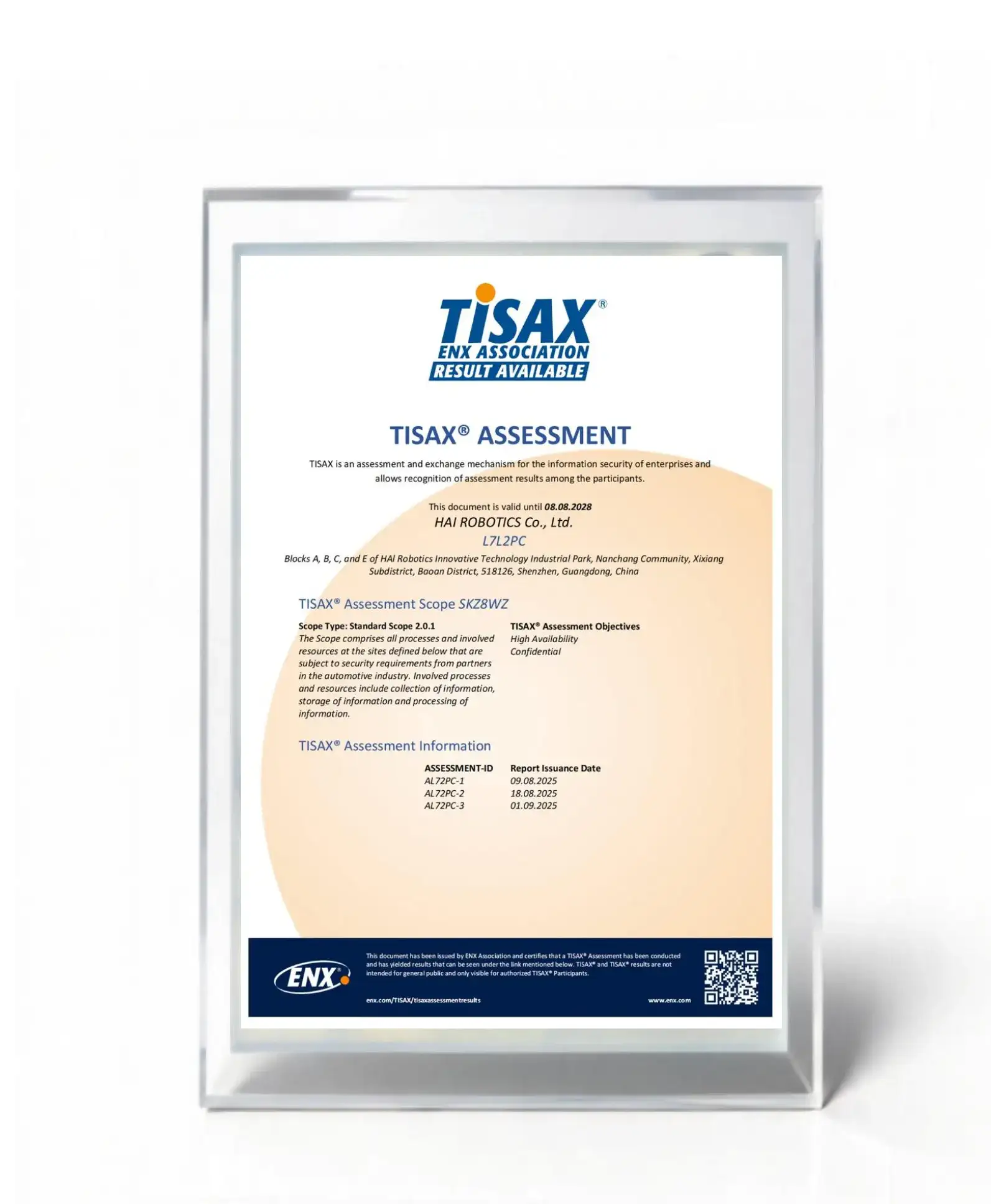
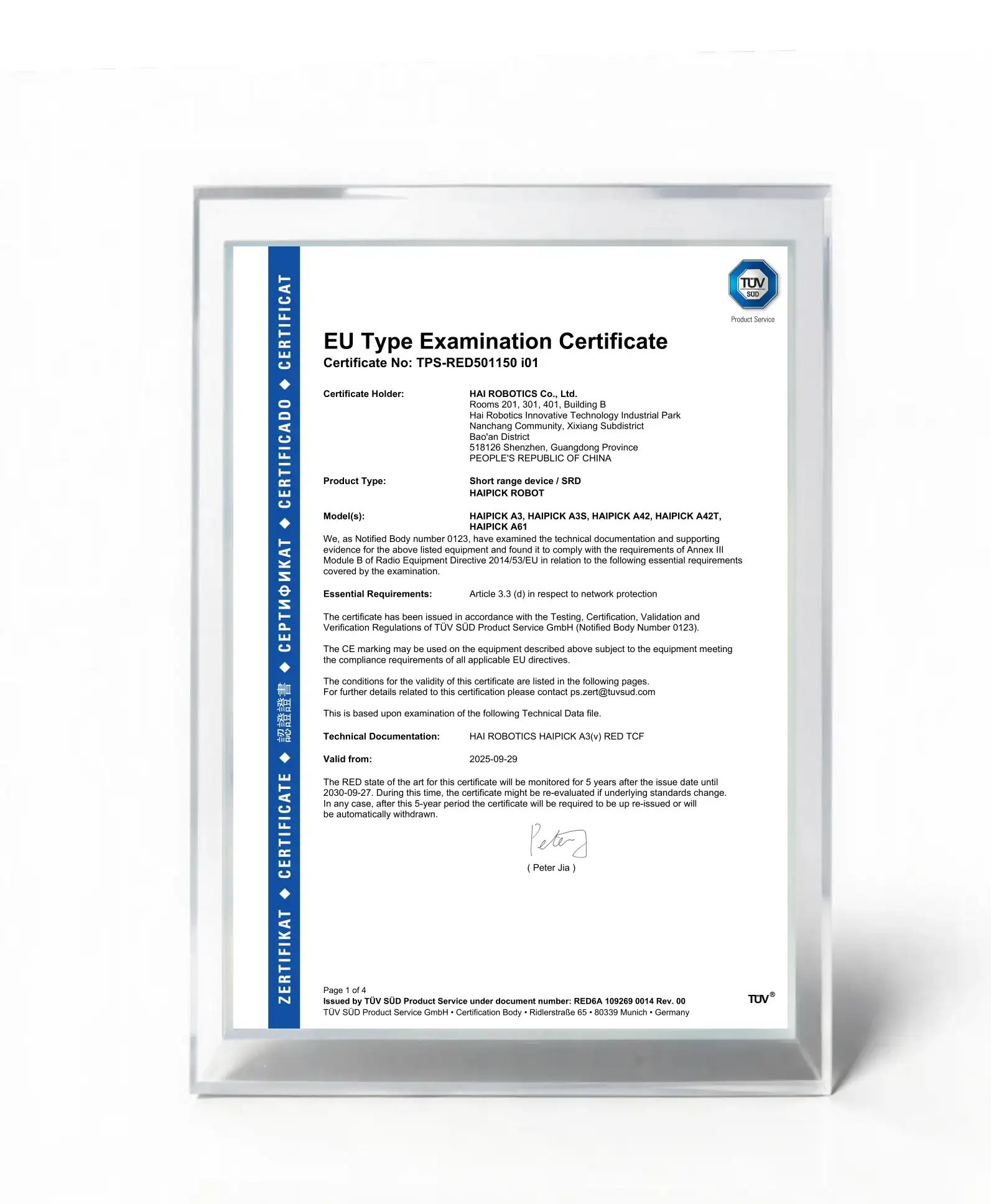
Hai aligns its products and systems with internationally recognized safety and security standards, supported by third-party certifications and assessments from TÜV SÜD, SGS, Intertek, and other recognized organizations.

ISO 12100 · ISO 3691-4 · ISO 13849 · IEC 61508 · UL 3100

ISO/IEC 27001 · IEC 62443-4-1

CE · UL · EU RED 2014/53/EU Art. 3(3)(d) · TISAX · China MLPS 2.0
Safety Questions? We're Here to Help.
Every operation is different. We evaluate safety against your actual layout, workflows, and local requirements, so you get answers that fit your project.