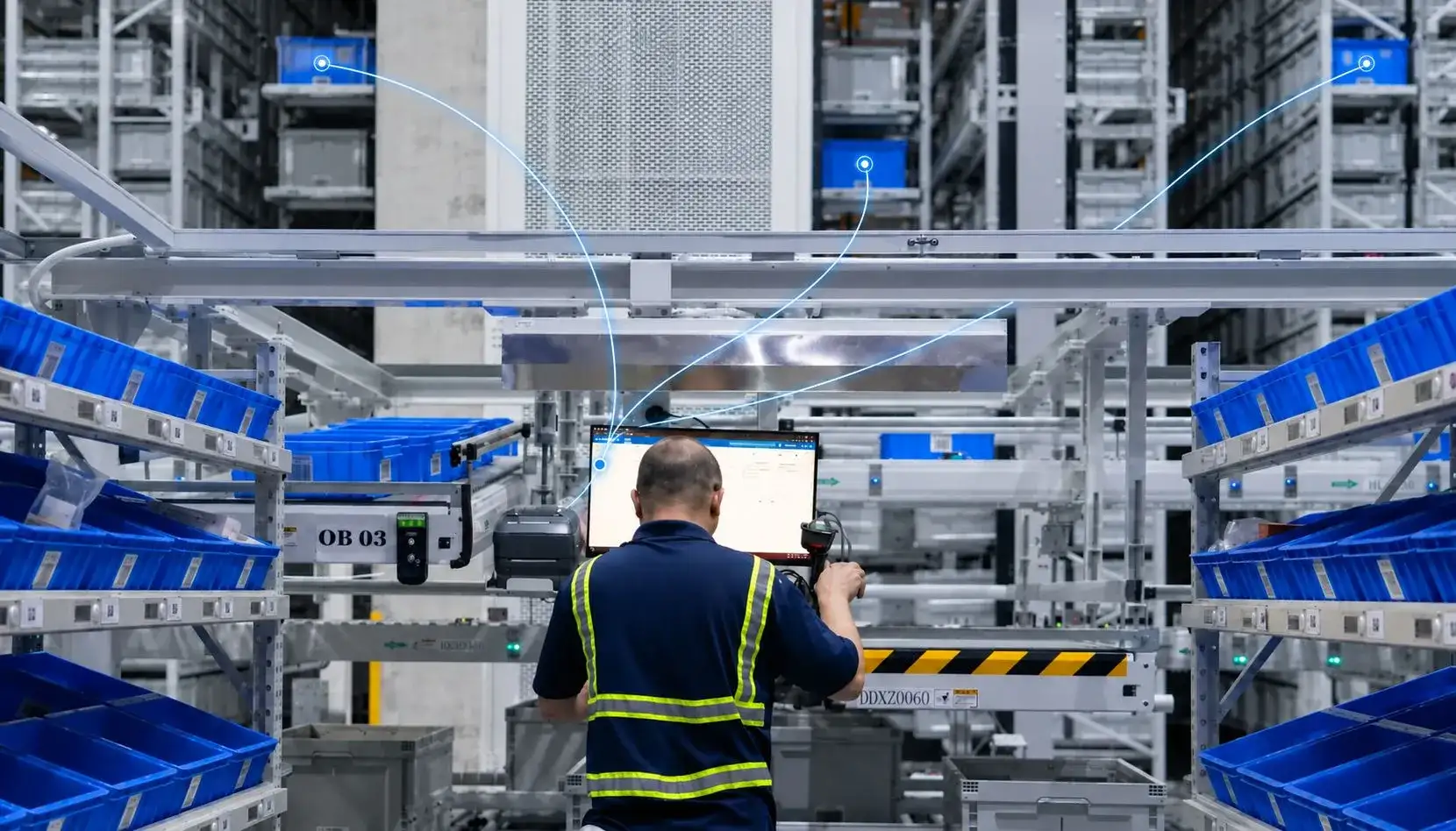
How E-commerce Warehouses Can Adapt Fulfillment Strategies for Black Friday
Discover how e-commerce warehouses can optimize Black Friday fulfillment with flexible picking strategies, intelligent automation, and stable peak performance.
Black Friday is no longer defined by a single day of exceptional demand.
Promotions may begin weeks before the traditional shopping weekend. Different campaigns overlap, discounts change, new products launch, and order pressure continues through Cyber Monday and the weeks that follow.
For the warehouse, this creates more than a temporary increase in volume. The shape of the operation changes throughout the peak. Order intake accelerates, shipping deadlines become more concentrated, and demand moves quickly between products.
The fulfillment method that works on an average day may therefore become less effective as the peak develops.
Preparing for Black Friday is not only about installing enough equipment to handle a forecasted maximum volume. It is also about whether the warehouse can change how that capacity is used as orders, priorities, and bottlenecks shift.

Peak Demand Changes the Shape of the Operation
On a typical day, processing orders individually may provide the responsiveness needed for same-day orders and late cutoff times.
During a major promotion, thousands of orders may arrive within a much shorter period. Many of them may contain overlapping SKUs and share similar shipping deadlines. Continuing to process every order in exactly the same way can limit the output of an otherwise capable automated system.
Robots may repeatedly retrieve the same inventory. Operators may complete only one useful pick from each tote presentation. Workstations may become occupied by orders that could have been processed more efficiently as part of a larger group.
The challenge is not simply to make every movement faster. It is to decide how orders should be grouped, released, and picked under the conditions that exist at that moment.
Throughout the peak, the warehouse needs to keep asking:
Which fulfillment strategy will make the best use of the available capacity now?
Change the Picking Strategy as Order Pressure Builds
A warehouse does not necessarily need to use one picking method throughout the entire peak.
When order volumes are manageable and rapid response matters most, orders can be processed individually or in small groups. This keeps the path from order release to completed pick short and allows late-arriving priority orders to move quickly.
As volumes rise, the operation can consolidate demand across more orders. Frequently requested inventory can then serve multiple order lines from a single tote presentation, increasing the productive work completed during each retrieval.
At the highest-volume stages, larger waves can be created and divided into standardized task groups across multiple workstations. Secondary sorting or consolidation may add another step, but it can also allow the same installed equipment to process more orders when overall throughput matters more than individual-order immediacy.
The appropriate method depends on the order profile, downstream process, and shipping commitments. Individual-order, cluster, and wave-based picking each create different trade-offs. The value lies in being able to choose and adjust the method according to actual operating conditions.
Maersk’s Singapore fulfillment center demonstrates this type of flexibility. The facility handles both B2B and e-commerce orders, which involve different quantities, picking patterns, and sequencing requirements. Convertible workstations and put-wall systems allow resources to be allocated between these workflows as demand changes, while strict order sequencing supports a flow of more than 1,000 totes per hour. Read the Maersk Logistics case study.
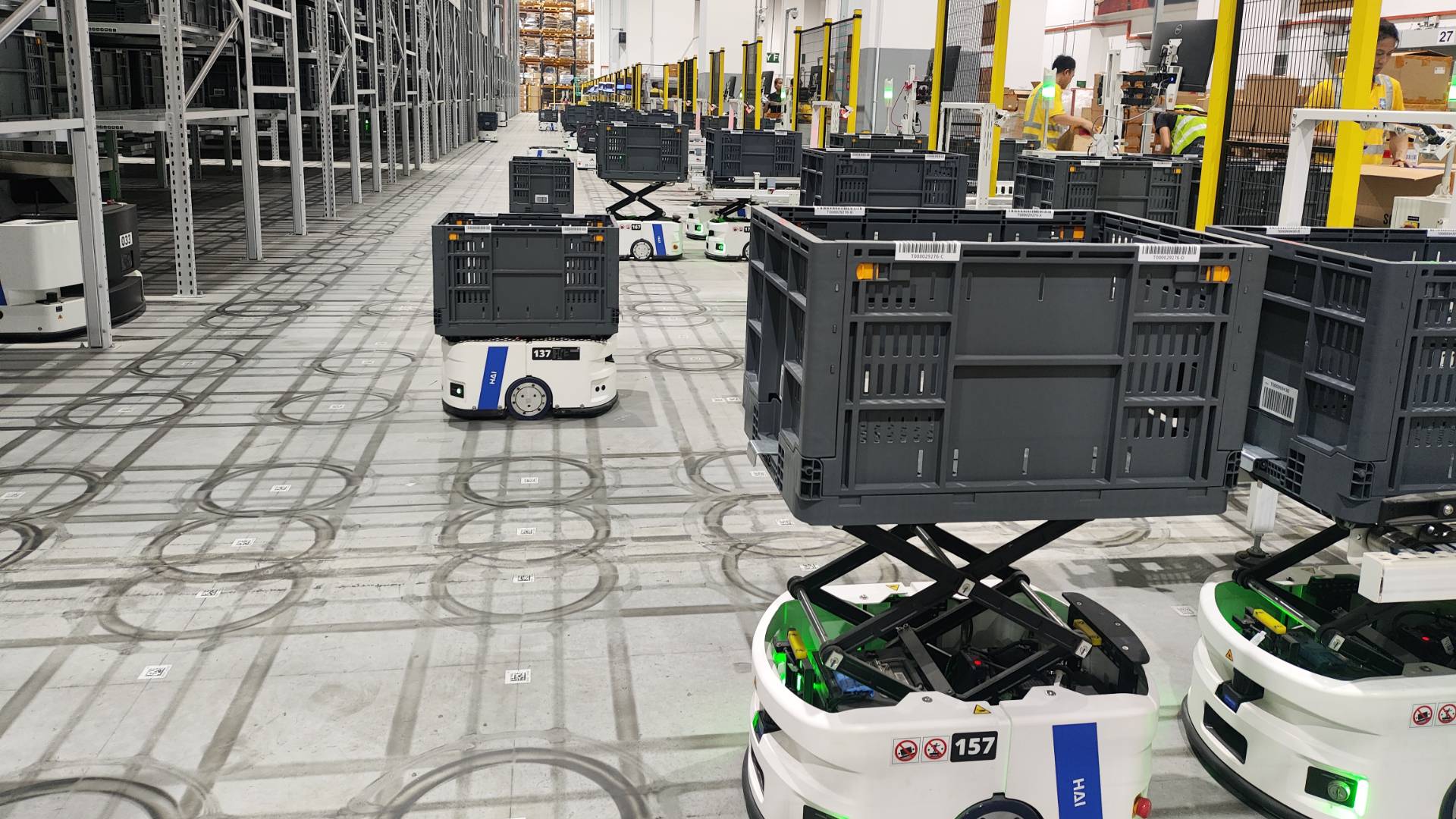
For Black Friday operations, the lesson is not that every warehouse should adopt the same workflow. It is that the process designed for an average day should not become a constraint when the order profile changes.
HaiQ supports order-based, cluster, and wave-based workflows, enabling the warehouse to adjust how orders are grouped and released as order volume and system load change.
This creates another source of peak capacity. The operation is not limited to making the same process run faster. It can use a different process when the order profile calls for it.
Keep Fulfillment Stable When the Bestseller List Changes
Black Friday forecasts can indicate how much demand to expect, but they cannot predict every SKU that will generate it.
A promoted product may sell faster than planned. A competitor’s campaign or an online trend may suddenly redirect demand toward another category. Inventory expected to move gradually may become urgent within hours, while anticipated bestsellers may underperform.
When retrieval performance depends heavily on inventory being positioned exactly where forecasts expected it to be, these changes can disrupt the operation. The warehouse may have sufficient stock and equipment, but the items now generating orders may be less accessible than expected.
An adaptable AS/RS reduces this dependence on perfect forecasting. HaiPick robots can retrieve required totes from different rack locations with minimal reshuffling, helping maintain efficient access whether an order calls for an established bestseller or an unexpected long-tail SKU.
HaiQ can then adjust retrieval priorities around the orders currently entering the system. As the product mix changes, inventory movement and picking activity can follow actual demand instead of remaining tied to assumptions made before the promotion began.
The objective is not to eliminate demand volatility. It is to prevent that volatility from creating equally volatile fulfillment performance.
Protect the Entire Flow, Not Just Picking Speed
During a peak, improving one stage in isolation can simply move the bottleneck somewhere else.
If totes reach a workstation faster than operators can process them, queues begin to form. If picking outpaces sorting or packing, completed work accumulates downstream. If one group of stations receives too much work while others remain underused, installed capacity is available but is not contributing to orders ready for shipment.
For this reason, peak throughput should be managed around the complete order flow.
At CEVA Logistics’ Singapore distribution center for a global beauty e-commerce brand, high-volume peak seasons required the operation to respond to changing priorities across both B2B and B2C demand. Advanced order batching and routing help prioritize urgent deliveries, while convertible inbound stations and put walls allow work areas to support different requirements as the workload changes. Read the CEVA Logistics case study.
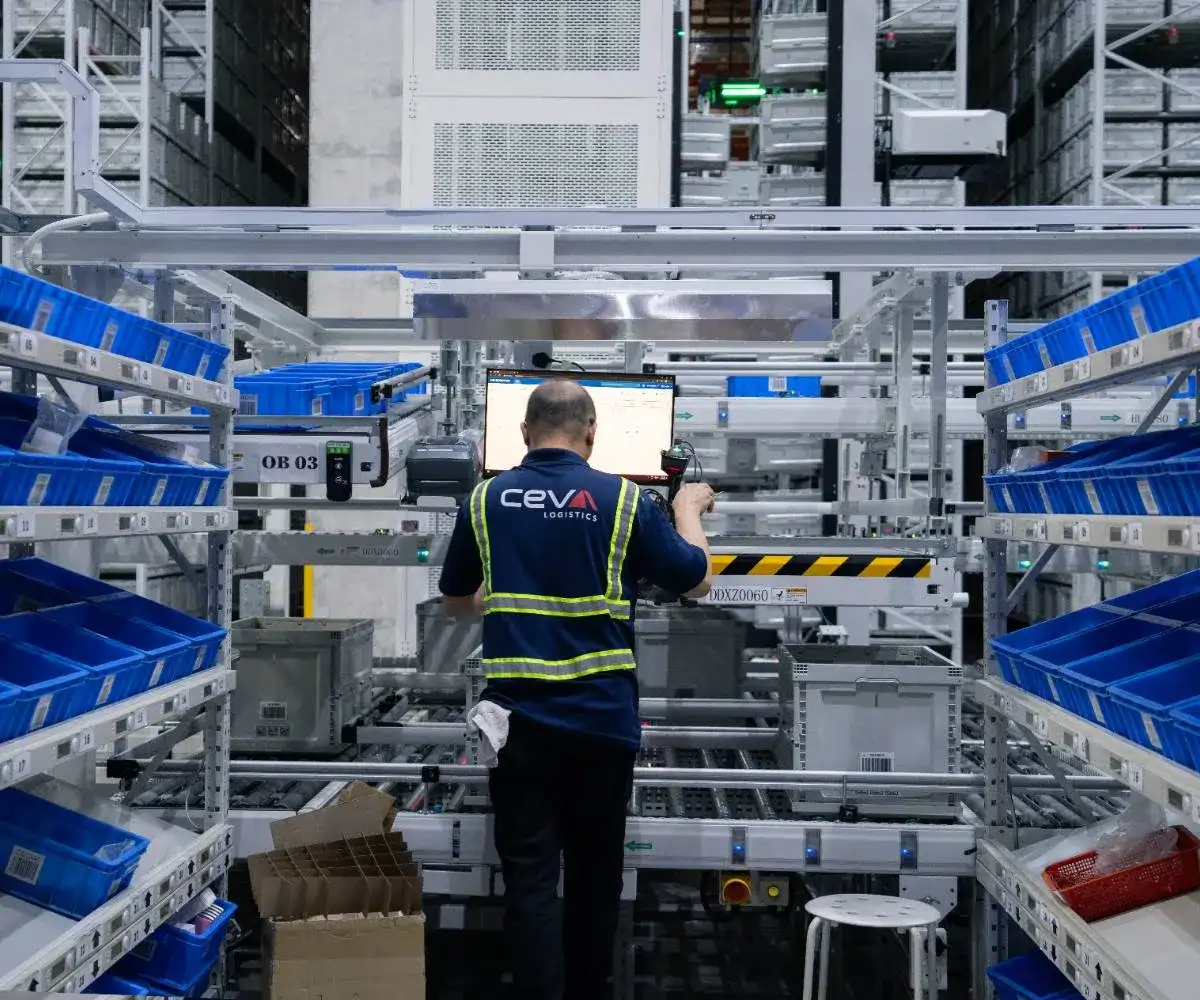
The project reaches an outbound flow of 942 totes per hour, but the more relevant lesson for peak fulfillment is how that capacity is coordinated. Orders, inventory movements, work areas, and downstream requirements must remain aligned as priorities change.
A warehouse may appear highly active while orders still wait between stages. Keeping every robot or station busy is therefore not the same as completing more orders on time.
The more meaningful objective is to keep the right work progressing toward shipment without allowing one part of the operation to overwhelm another.
Measure Performance Across the Entire Peak
The highest throughput achieved during one hour does not necessarily show how a system will perform throughout Black Friday.
A peak operation must sustain output across multiple shifts and campaign stages. It must respond to changing order volumes without allowing queues, unfinished work, or accuracy issues to accumulate.
This is particularly important for cross-border e-commerce fulfillment providers. They serve multiple brands with different assortments, order profiles, and promotional calendars. During a major sales event, several clients may experience demand surges at the same time.
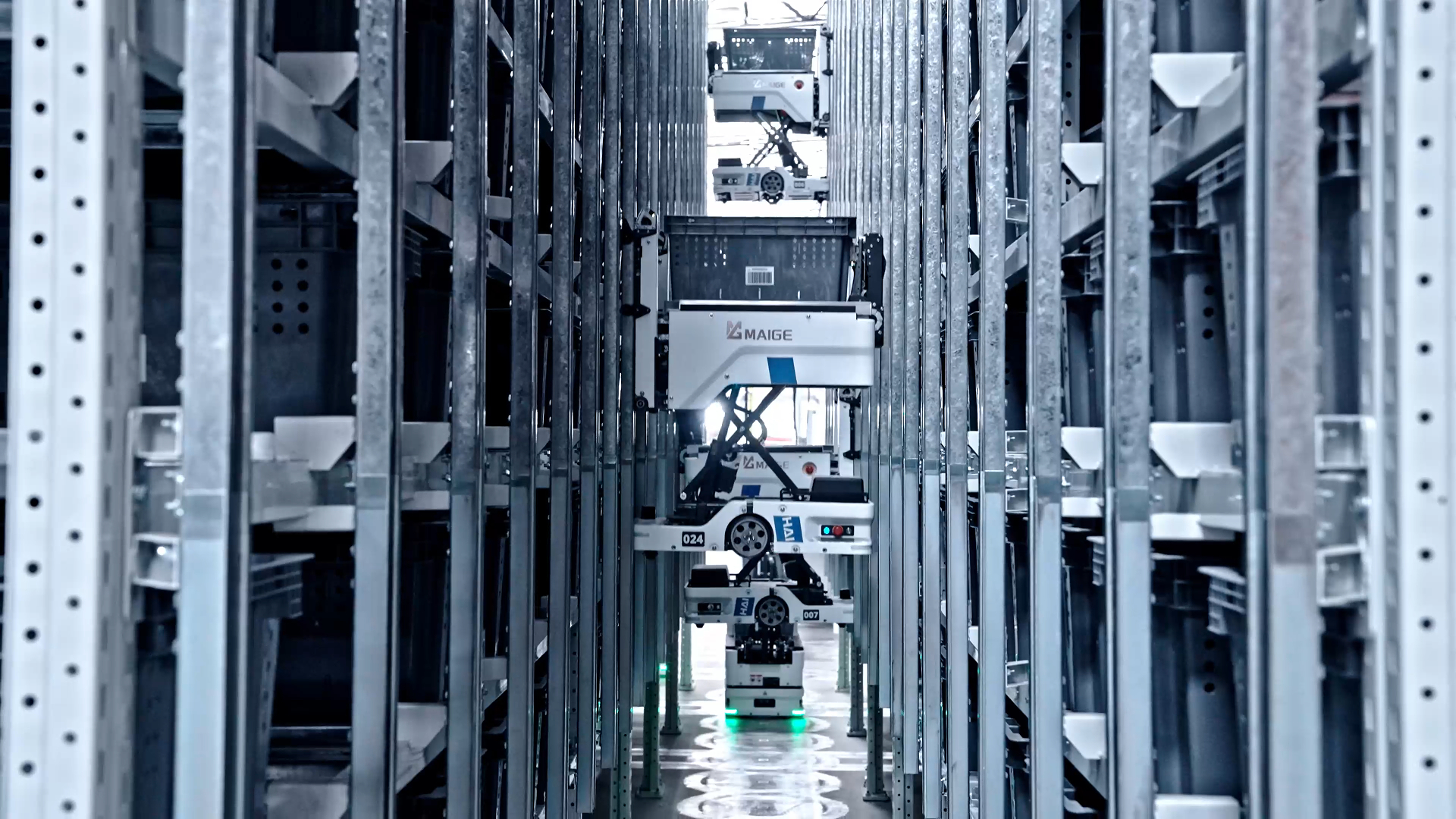
MAIGE faces this challenge at its Los Angeles fulfillment center, which serves more than 200 brands. Its operation handles diverse small-item SKUs, fragmented orders, and demand that can rise to several times the normal level during peak periods.
The HaiPick Climb system deployed at the facility has completed more than a year of commercial operation, including Black Friday and Christmas peaks. During this period, the operation has maintained stable performance while supporting an outbound flow of up to 465 totes per hour and picking accuracy above 99.99%.
As Gorman, CEO of MAIGE, explained:
“During peak season, order volumes can reach several times their usual level. The stability and scalability of automation give us greater confidence in handling those surges.”
This type of sustained operating record provides a more meaningful indication of peak readiness than a short-term throughput test. It shows whether the warehouse can continue processing orders accurately and consistently after the initial surge, when equipment, software, and operators have already been working under pressure for an extended period.
For Black Friday planning, the important question is therefore not only how fast the system can run at its maximum. It is whether that performance can be maintained from the first promotion to the final shipment.
Prepare the Operation, Not Just the Equipment
Black Friday readiness is often discussed in terms of maximum throughput, robot counts, or installed capacity. These metrics matter, but they do not determine how effectively a warehouse will handle a promotional period that unfolds over several weeks.
The stronger indicator is whether the operation can adapt as the peak changes.
Maersk shows how fulfillment resources can support different order structures and workflows. CEVA demonstrates how priorities and work areas can be adjusted as operating conditions change. MAIGE provides evidence that automated fulfillment can remain stable and accurate when peak order volumes rise to several times their usual level.
Together, these projects point to a broader lesson: peak readiness does not come from one headline throughput figure. It comes from an operation that can change how it works, keep orders moving across the complete process, and sustain that performance throughout the campaign.
Hai Robotics combines accessible automated storage, adaptable picking strategies, and system-level orchestration to help e-commerce warehouses make better use of their available capacity as peak conditions develop.
Black Friday may no longer be one day. The warehouse supporting it should not be limited to one way of working.
Talk to a Hai Robotics expert about preparing your fulfillment operation for changing order volumes, SKU demand, and processing strategies throughout the peak.