




How E-commerce Warehouses Can Handle More SKUs Without Slowing Fulfillment
E-commerce assortments are constantly expanding. New products enter the warehouse, long-tail items remain available for future orders, and returned goods flow back into inventory. All of this places growing pressure on storage capacity.
But storing more is only part of the equation. When an order arrives, the required SKU must still be retrieved quickly, regardless of where it is stored or how frequently it sells. A high-density system only creates value when it combines capacity with fast, predictable access.
Make the Most of Every Available Meter
As SKU counts grow, adding more floor space is not always the most economical option. Making better use of the warehouse’s clear height can create additional capacity within the existing footprint.
Clear height is not always consistent across a facility. Beams, mezzanines, utilities, and other building conditions can create different usable heights in different areas. Hai Robotics designs the racking around these actual site conditions, configuring each section to use as much of the available vertical space as possible.
This principle can be seen at Li-Ning’s smart logistics center, where rack heights range from 5.7 to 7.7 meters to match different clear heights across the facility. The tailored design created 17,000 storage locations within 1,200 square meters, increased storage capacity threefold, and achieved more than 96% vertical space utilization. See the Li-Ning project.
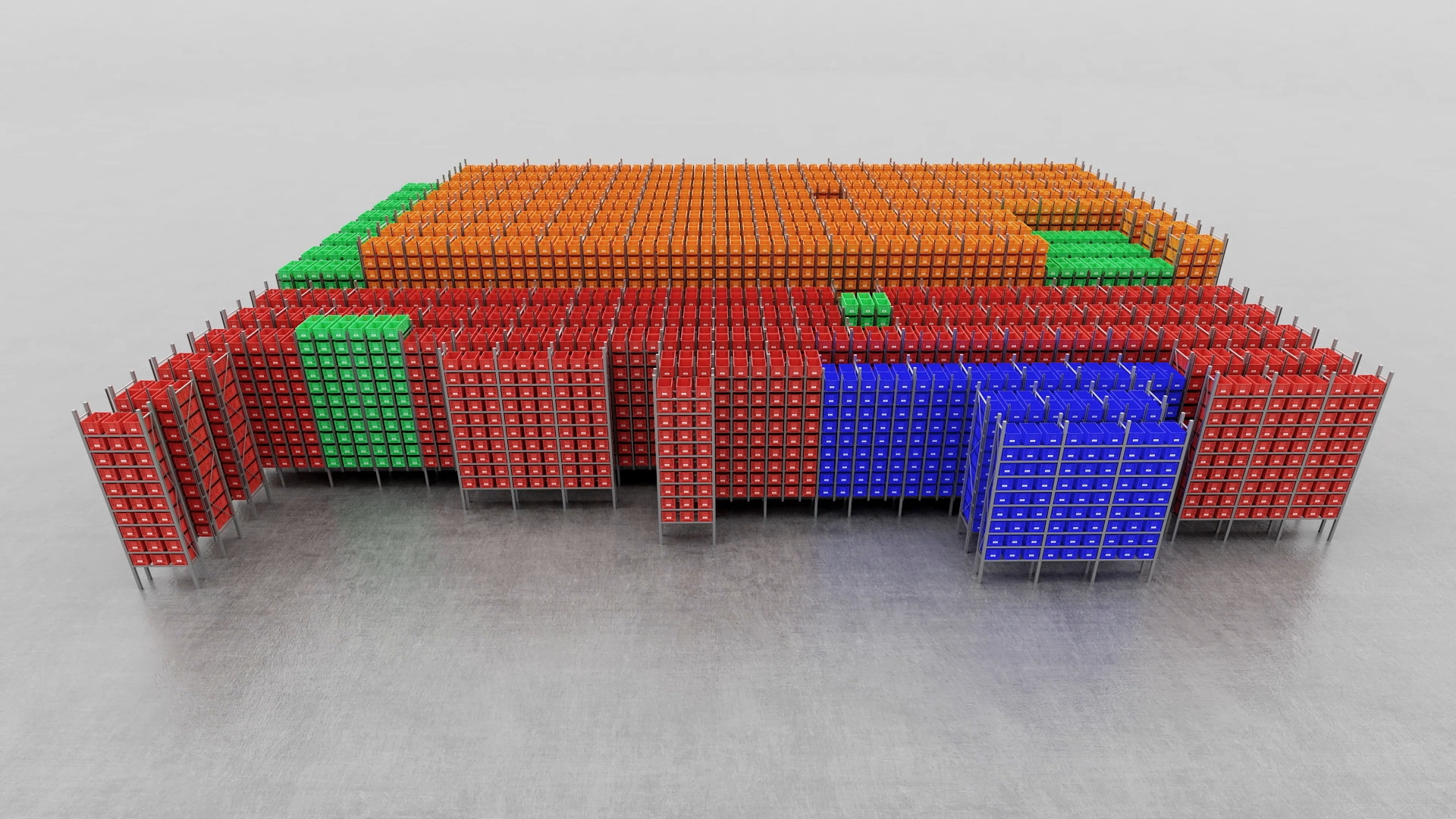
For an e-commerce operation, this approach creates more room for new products, seasonal inventory, and long-tail SKUs without immediately increasing the warehouse footprint.
Use Storage Space More Precisely
E-commerce inventories often include large numbers of small products, such as accessories, cosmetics, and compact consumer electronics. When each SKU is assigned an entire tote, unused space can add up quickly across thousands of storage locations.
Hai Robotics supports compartmentalized totes, allowing multiple SKUs to share the same tote while remaining physically separated and individually tracked. This makes better use of tote capacity without compromising inventory control or accessibility.
LangZ applies this approach at its cross-border e-commerce fulfillment center in Chicago, accommodating a diverse small-item assortment more efficiently while keeping each SKU organized and ready for fulfillment. Read the LangZ story.
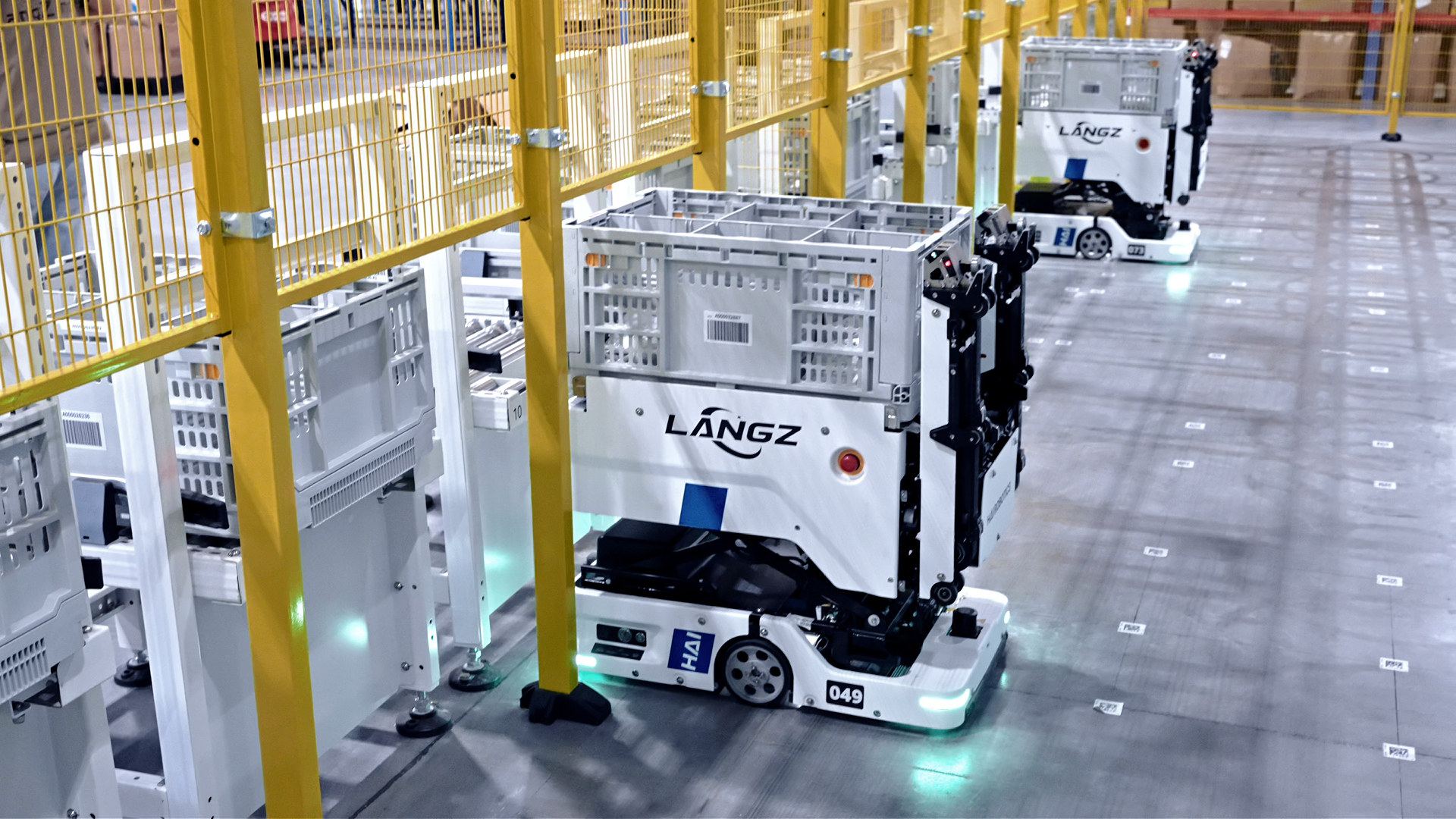
This is particularly valuable for warehouses with large numbers of small or long-tail products. More SKUs can be stored within the available tote locations while remaining clearly separated and accessible for fulfillment.
Keep Storage Aligned with Changing Demand
SKU demand changes continuously in e-commerce. A product promoted today may become a bestseller overnight, then slow once the campaign ends. Meanwhile, replenishment, order fulfillment, and returns constantly alter the quantity and distribution of stock.
Over time, the same SKU may become dispersed across several partially filled totes, while high-demand inventory may no longer be positioned as effectively as it could be. If the original storage arrangement remains unchanged, capacity becomes fragmented and retrieval can take longer.
HaiQ maintains visibility of inventory locations and can initiate re-slotting and inventory consolidation tasks based on current stock levels, SKU demand, and configured operating rules. This can include:
-
Repositioning frequently requested inventory for faster access
-
Consolidating dispersed stock to release storage locations
-
Reorganizing inventory as demand, replenishment, and returns reshape the SKU profile
The warehouse is therefore not tied to the inventory assumptions made when the system first went live. Storage can remain aligned with the products generating orders today, helping businesses use available capacity more effectively and respond as campaigns and customer preferences change.
Retrieve the Required SKU with Minimal Reshuffling
As storage density increases, accessibility becomes more important.
In some high-density configurations, retrieving one container may require other containers to be repositioned first. Each additional move may take only a short time, but the effect can accumulate when thousands of fragmented e-commerce orders call for products from across the inventory pool.
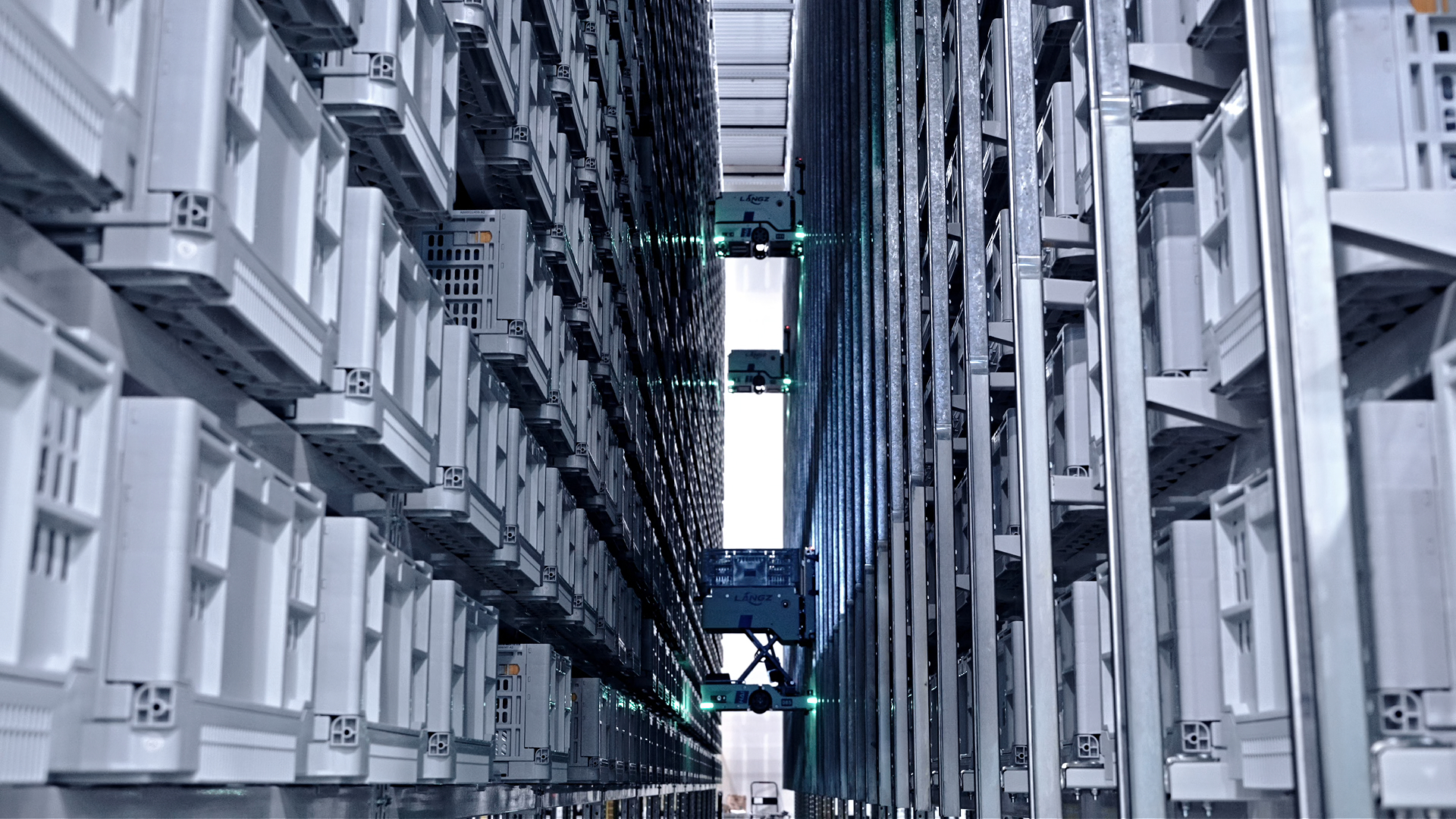
HaiPick robots can access storage locations throughout the racking, minimizing the reshuffling needed to retrieve the required tote. Fast sellers, long-tail products, and newly returned inventory remain readily accessible without depending entirely on forecasts of which SKUs will be ordered next.
This matters in e-commerce, where demand can shift quickly and an infrequently ordered SKU may suddenly be required for an urgent order.
Avenue Shops highlighted this accessibility when comparing automation options for its e-commerce fulfillment operation:
“Hai’s storage system doesn’t bury our inventory.”
The ability to keep inventory readily accessible was one of the reasons the company selected Hai Robotics over other solutions it was considering. Read the Avenue Shops story.
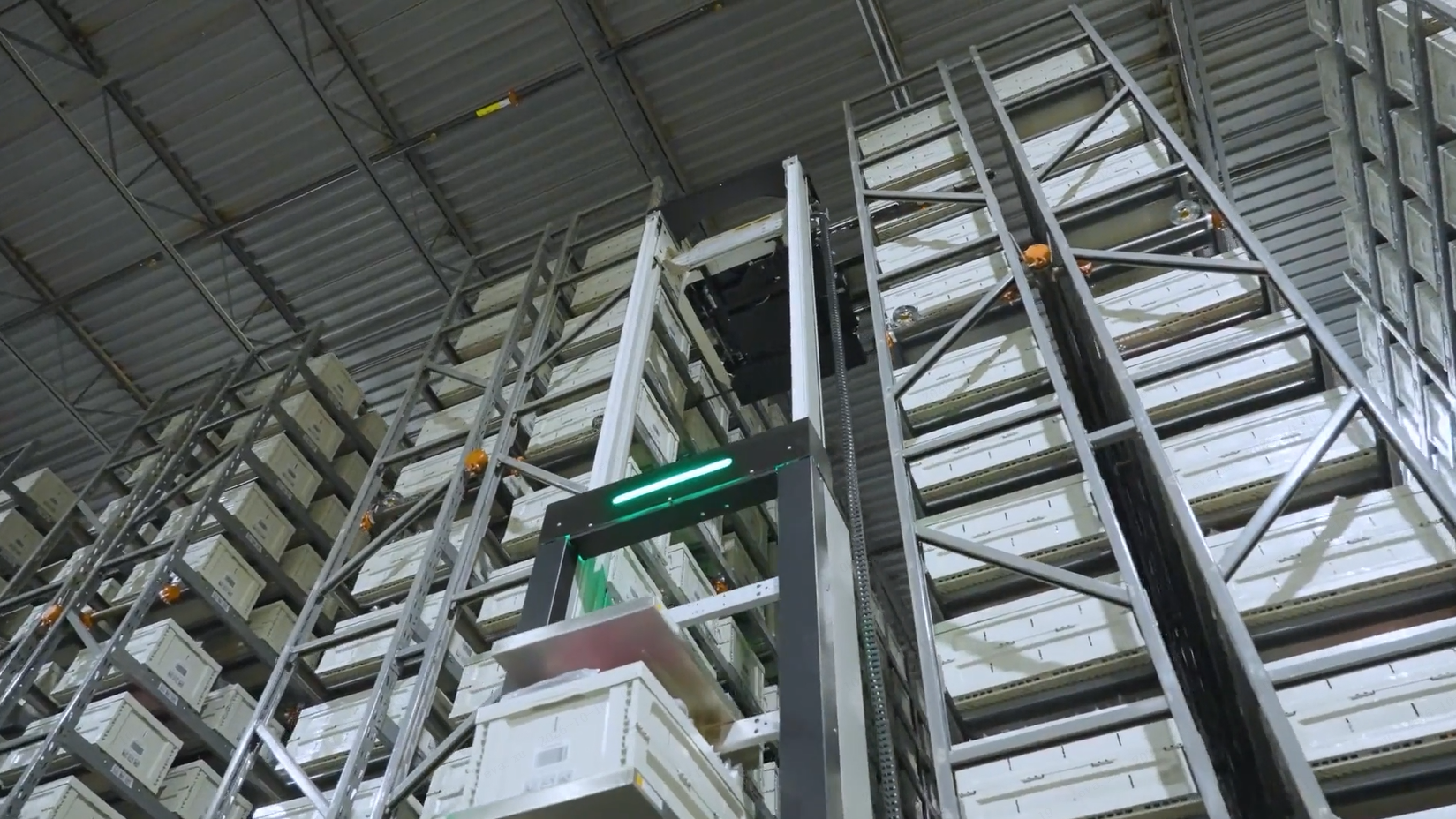
At LangZ's Chicago fulfillment center, HaiQ dynamically positions fast-moving inventory closer to workstations, while HaiPick Climb provides fast access to totes across the storage system. The completed solution increased storage density by 300% while supporting outbound throughput of more than 2,700 totes per hour, demonstrating that higher density does not have to come at the expense of fast inventory access.
Move Returns Back into Saleable Inventory Faster
Returns are a regular and often high-volume part of e-commerce. During busy periods, returned products can accumulate quickly, occupying floor space and creating a growing backlog outside active inventory.
The longer a saleable item remains in the returns area, the longer its value is tied up. A warehouse may even replenish a SKU that is already on site but has not yet been processed and returned to available stock.
Once returned products have been inspected and approved for resale, Hai Robotics can automatically return them to storage in suitable totes or tote compartments. HaiQ assigns the storage locations and reconnects the inventory with the fulfillment operation through the connected warehouse systems.
Storage can also be adjusted according to the updated inventory profile. Returned fast-moving products can remain readily accessible, while fragmented stock can be consolidated to release storage capacity.
This helps reduce returns backlogs, free up floor space, and shorten the time from return receipt to resale. By making returned products available for new orders sooner, e-commerce businesses can improve inventory availability, avoid unnecessary replenishment, and recover the value of saleable goods faster.
More Capacity Without Slower Fulfillment
For e-commerce warehouses, storing more SKUs should not make them harder to retrieve.
By making better use of vertical space, using tote capacity more precisely, continuously reorganizing inventory, minimizing reshuffling, and accelerating return-to-stock, Hai Robotics helps businesses increase storage capacity while keeping inventory ready for fulfillment.
The result is more room for a growing assortment, faster access to the required SKU, and a shorter path from returned item to next sale.
Talk to a Hai Robotics expert about building an automated storage solution around your facility, SKU profile, and fulfillment requirements.