How E-commerce Warehouses Can Process Fragmented Orders Faster
Discover how e-commerce warehouses can fulfill fragmented orders faster with rapid SKU retrieval, intelligent order orchestration, and efficient picking workflows.
For many e-commerce operations, automation is already part of the plan. The harder decision is choosing a system that can process their actual order profile, especially when orders are fragmented, fulfillment windows are tight, and demand changes from one day to the next.
A typical wave may contain thousands of order lines drawn from across the inventory pool. Each source tote may contribute only one or two items, and a single delayed tote can prevent an otherwise completed order from moving to packing and shipping.
This is why robot speed alone provides an incomplete view of fulfillment performance. What matters to the operation is the total time from order release to completed pick.
Start with the Time to a Completed Pick
Automation specifications often focus on travel speed, lifts per hour, or the maximum throughput of an individual component. These figures are useful, but they do not show how quickly a customer order will be completed.
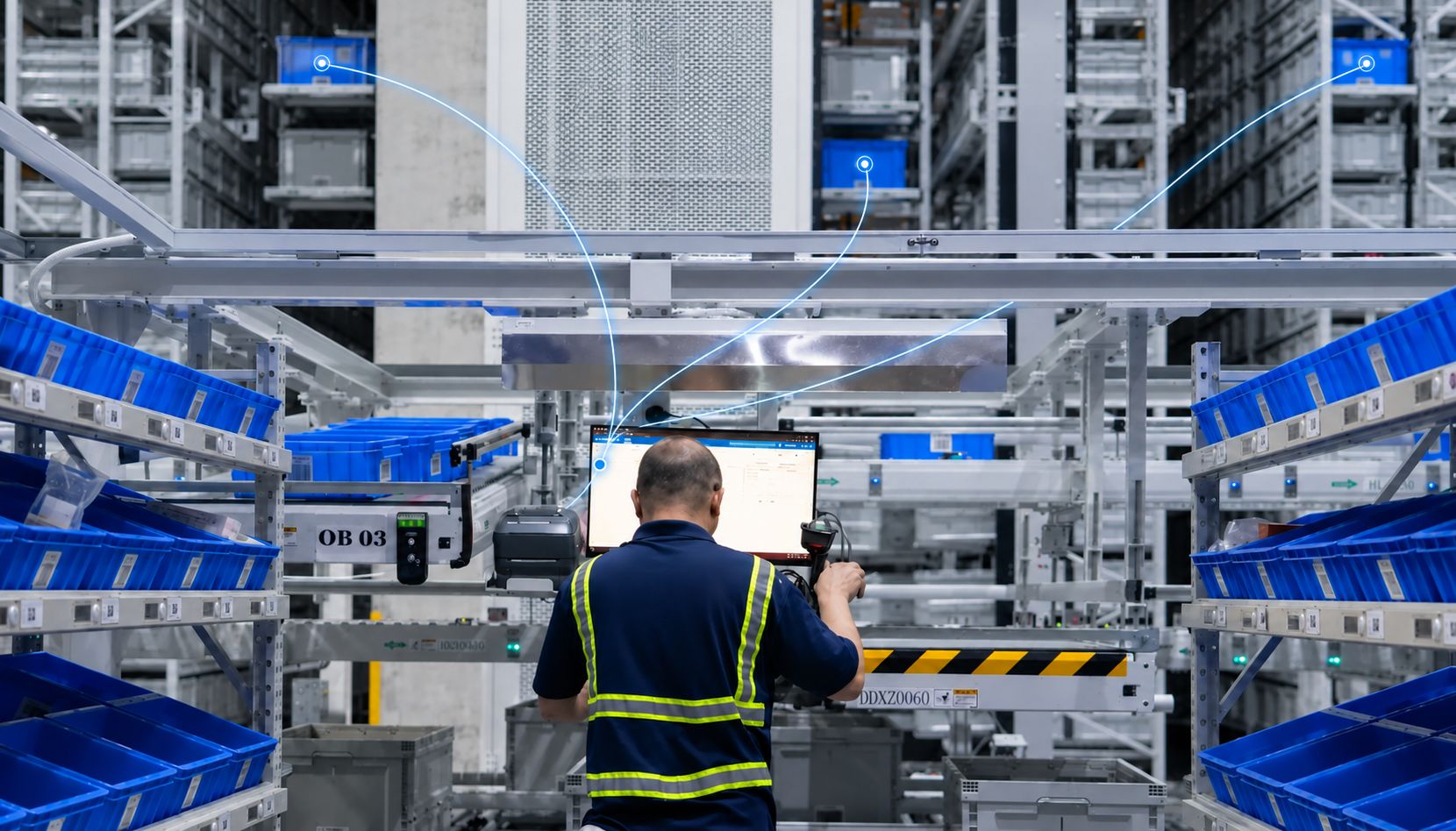
A fragmented order may depend on several inventory retrievals, the correct sequence of tote arrivals, workstation availability, and coordination with other orders in the same wave. If any of these elements falls behind, the order waits.
The more useful question is therefore not simply, “How fast does the robot move?” It is, “How quickly and consistently can the system bring all the required inventory together and convert it into a completed pick?”
Answering that question requires looking at the entire fulfillment flow, beginning with access to inventory.
Bring Any Required SKU into the Picking Flow Quickly
In e-commerce, fast-moving SKUs are only one part of the inventory profile. Long-tail products, newly received goods, and returned items must also remain readily available when an order calls for them.
A system may perform well when demand follows the expected pattern. The real test comes when an order requires products stored across different rack positions or when SKU velocity changes after a promotion, seasonal shift, or sudden rise in demand.
HaiPick robots can retrieve target totes from locations throughout the racking, with minimal reshuffling before the required inventory can enter the picking flow. With HaiPick Climb, any target tote can reach the picking station in as little as two minutes under typical project conditions.
This capability is particularly important for fragmented orders. Instead of relying heavily on inventory being positioned in exactly the right place in advance, the operation can maintain fast access across a broad and changing SKU base.
At a leading global e-commerce company’s fulfillment hub in Poland, the HaiPick Climb system manages more than 15,000 SKUs across over 100,000 storage locations. Despite the scale of the inventory pool, the operation processes more than 1,400 totes and 300 orders per hour and has increased fulfillment speed fourfold. Read the project story.
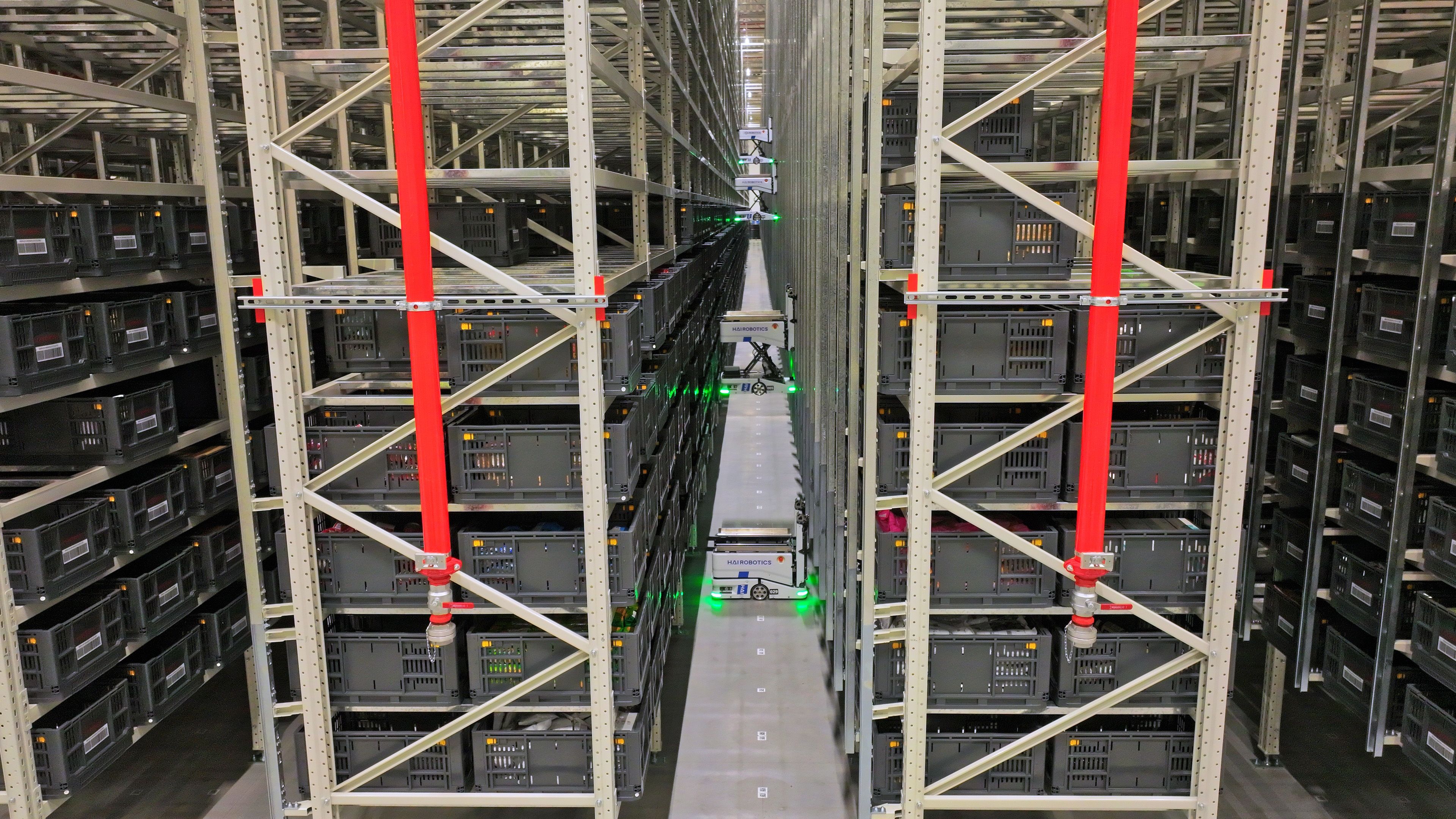
The result demonstrates an important principle: a large assortment does not have to slow order response when the required inventory remains readily accessible.
Keep Orders Moving Across Waves and Workstations
Fast access to inventory does not guarantee that orders will continue moving smoothly through the operation.
During high-volume periods, thousands of orders may be released across overlapping waves. If tasks are assigned mainly according to the nominal capacity of individual picking stations, some stations can become overloaded while others wait for work. The result is an uneven operating rhythm, longer queues, and less predictable order completion.
The system must therefore coordinate more than individual retrieval tasks. It needs to group orders into executable waves, divide those waves into manageable task packages, distribute the workload across available stations, and adjust the plan as operating conditions change.
HaiQ coordinates orders, inventory, robots, and workstation capacity at the system level. It groups orders into executable waves, distributes tasks across available stations, and adjusts the workload as operating conditions change.
GoodCang faced this challenge at its U.S. West Coast fulfillment center. As order volumes grew, its small-wave model placed too much work on individual stations and disrupted the overall picking rhythm.
GoodCang and Hai Robotics redesigned the process around larger waves divided into standardized task packages. These packages are distributed more evenly across picking stations, while multiple waves can be adjusted dynamically. This helps maintain a stable outbound flow and supports up to 150,000 orders per day. Read the project story.
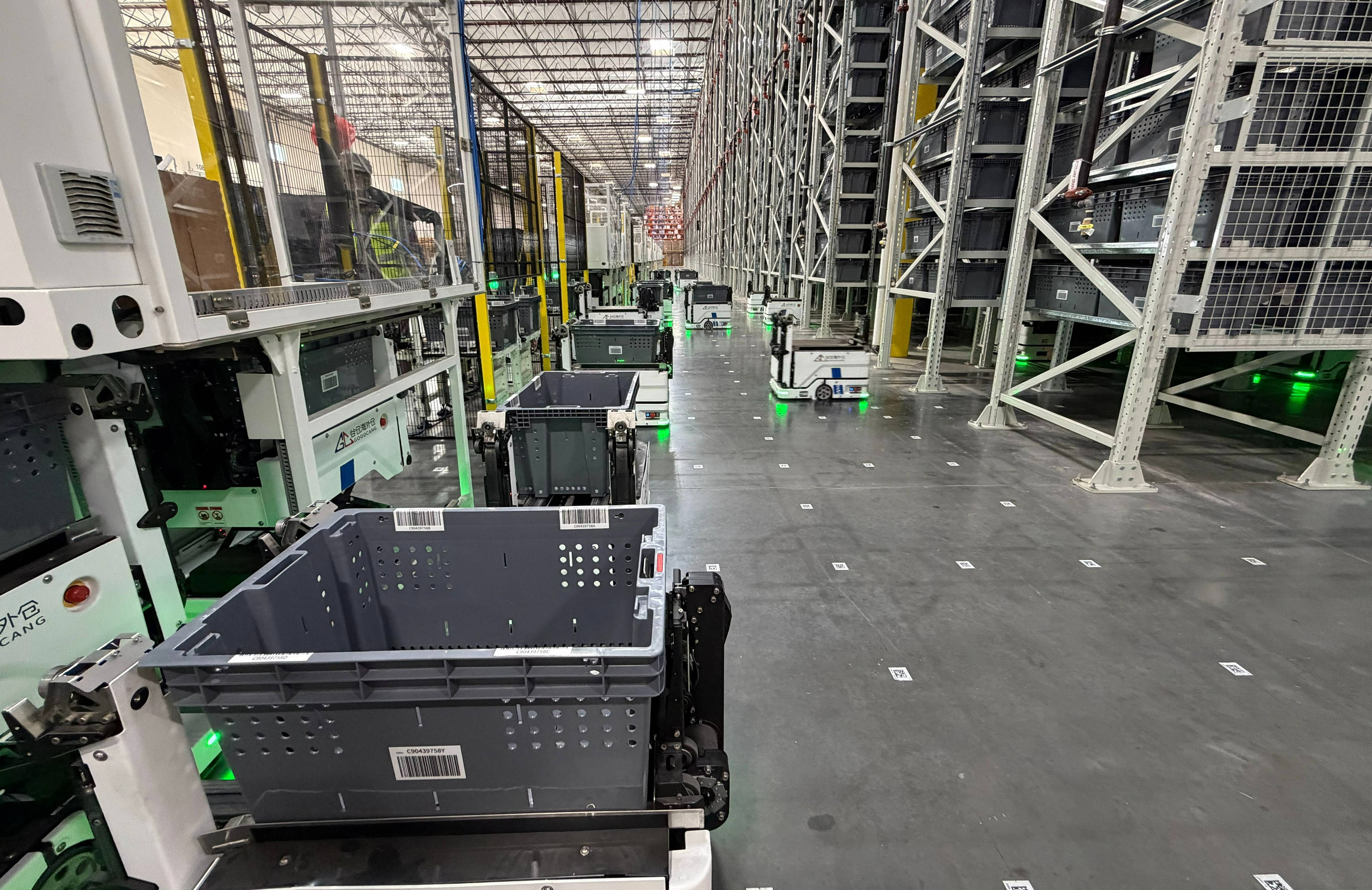
For e-commerce operations, effective orchestration is not simply about keeping robots busy. It is about keeping orders moving consistently across waves and workstations.
Turn Each Tote Presentation into Productive Picking Time
Once inventory reaches a workstation, operators should be able to complete the pick with minimal searching, waiting, or intermediate handling.
A workstation should therefore be evaluated by more than its theoretical presentation rate. The arrival of source totes must remain steady, instructions must be clear, and the picking workflow must match the structure of the orders being processed.
Where the order profile supports it, a one-to-one workflow can pair a source tote directly with the corresponding order container. This reduces the need to move items through additional sorting or consolidation steps. The operator stays focused on picking while the system organizes the inventory and prepares the next task.
The main benefit is higher labor productivity. More of each operator’s time is spent completing useful picks, allowing order volume to grow without labor requirements rising at the same rate.
This was a key requirement for Win.IT America, whose Los Angeles fulfillment center serves hundreds of online sellers and must provide same-day shipping for 95% of orders. Its HaiPick System 3 operation enables each workstation to process nearly 300 totes per hour. Across four stations, throughput can exceed 1,100 totes per hour, with tote exchanges taking only two to three seconds. Read the Win.IT America case study.
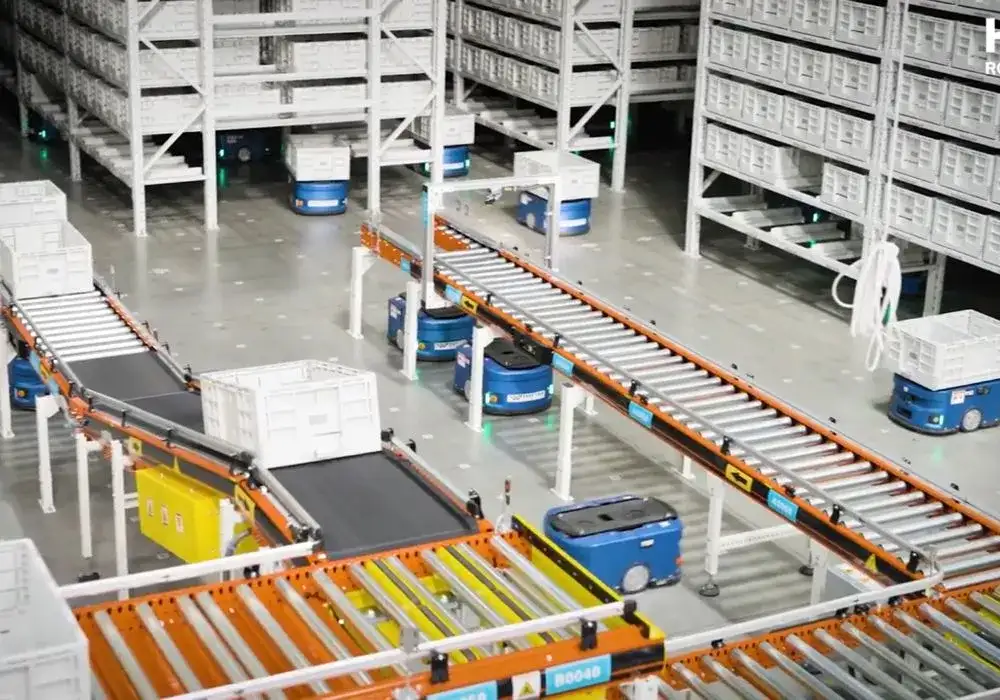
These results come from maintaining a continuous picking flow, rather than treating the workstation as a standalone piece of equipment.
Test Automation Against Your Own Order Profile
The most meaningful automation comparison starts with representative operating data, not a list of maximum equipment specifications.
Businesses should evaluate competing systems using their actual SKU count, order-line distribution, items per order, peak volumes, cutoff structure, return profile, and expected changes in demand. The same order set should then be modeled through each proposed system.
The comparison should measure how long it takes to retrieve all required inventory, how often orders wait for a missing tote, how effectively urgent work is prioritized, how evenly tasks reach the workstations, and how many completed orders or order lines each operator can process.
This provides a clearer picture than comparing robot travel speeds alone. It also reveals whether performance depends on ideal inventory placement or whether the system can remain responsive as the SKU mix and order profile change.
Optimize for Completed Orders, Not Isolated Movements
Fragmented e-commerce orders are not accelerated by optimizing one step in isolation. Their speed depends on how effectively storage access, retrieval, order orchestration, and picking work together.
Hai Robotics connects these stages so that required inventory can enter the picking flow quickly, urgent orders can move according to their shipping priorities, and operators can spend more time completing picks.
The difference is ultimately measured at the order level: shorter waiting between order release and picking, more output from each operator, and a greater share of orders ready before their shipping cutoff.
Talk to a Hai Robotics expert about evaluating automation against your SKU profile, order structure, and fulfillment targets.