Turning Apparel Returns Bottlenecks into Smoother Operations
Optimize apparel returns with automated warehouse solutions. Learn how HaiPick Systems improve efficiency, speed up processing, and turn returns into sellable inventory.
A promotion ends. Orders go out. And then the real pressure begins.
Returns arrive in waves: cartons from stores, scattered e-commerce parcels, thousands of items back at the warehouse within days. Different SKUs, seasons, and conditions all mixed together, creating bottlenecks that slow down operations.
For apparel operations, this is where things often slow down.
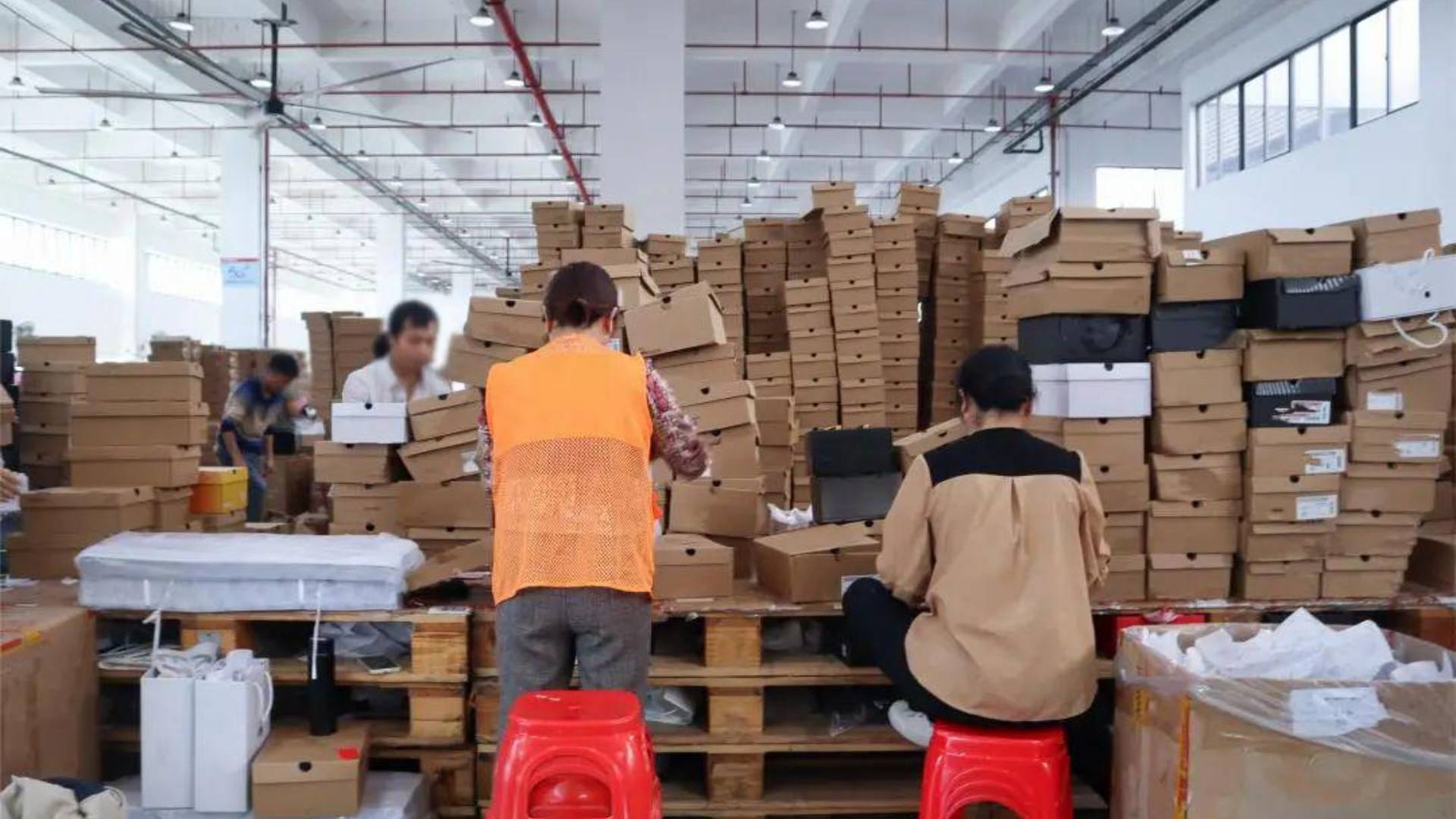
As discussed in Reverse Logistics & Circular Fashion: Sustainable Warehousing Solutions for Apparel Returns, returns introduce a combination of volume volatility, SKU fragmentation, and time-sensitive inventory. When these factors overlap, they create bottlenecks that are difficult to resolve with manual processes alone.
What leading brands are doing differently today is not just improving efficiency at individual steps, but rebuilding how returns flow through the entire warehouse with solutions like HaiPick Systems.
Balancing Return Peaks Efficiently
Return volumes are inherently uneven. Instead of trying to predict or eliminate peaks, the goal is to absorb them without disrupting daily operations.
Shifting workloads across time
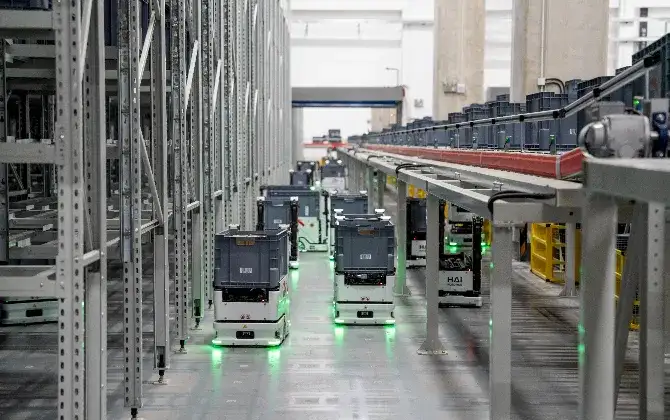
With a HaiPick Systems setup, return processing is no longer limited by fixed shifts. Tasks such as induction and putaway can be moved into off-peak periods, allowing warehouses to process returns continuously without competing with outbound fulfillment.
This is especially valuable after major promotions, when outbound pressure is high but return volumes are also rising.
In practice, some sportswear brands have shifted a large portion of return processing into nighttime operations, using automation to keep inventory flowing while daytime resources remain focused on order fulfillment.
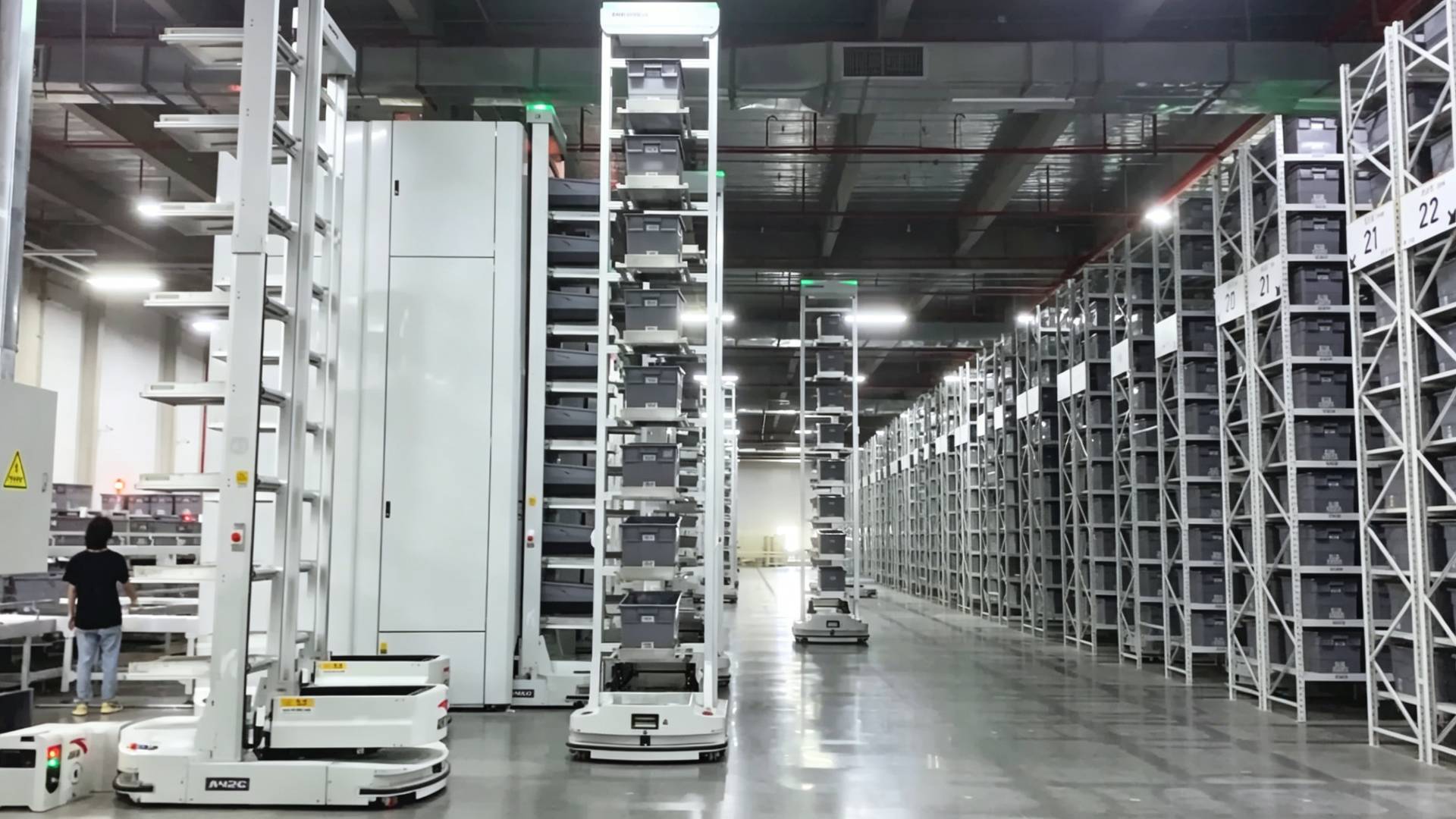
At a large-scale deployment for ANTA, this approach transformed return processing, with around 70% of return volumes processed during nighttime inbound operations. What was previously a slow, manual sorting operation became a high-throughput flow, with thousands of items inducted per hour and made available in the system much earlier.
Sharing capacity across workflows
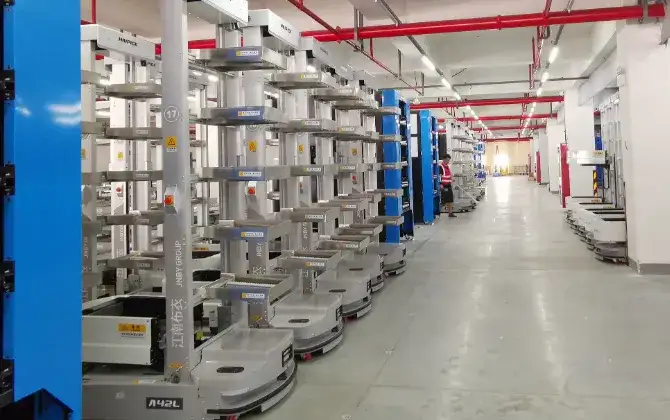
HaiPick Robots and workstations are not tied to a single task. The same fleet can support inbound, storage, and picking, depending on where the demand is.
This flexibility allows operations to dynamically rebalance. When return volumes surge, more robots and workstations can be allocated to inbound processing. When outbound demand increases, capacity shifts accordingly.
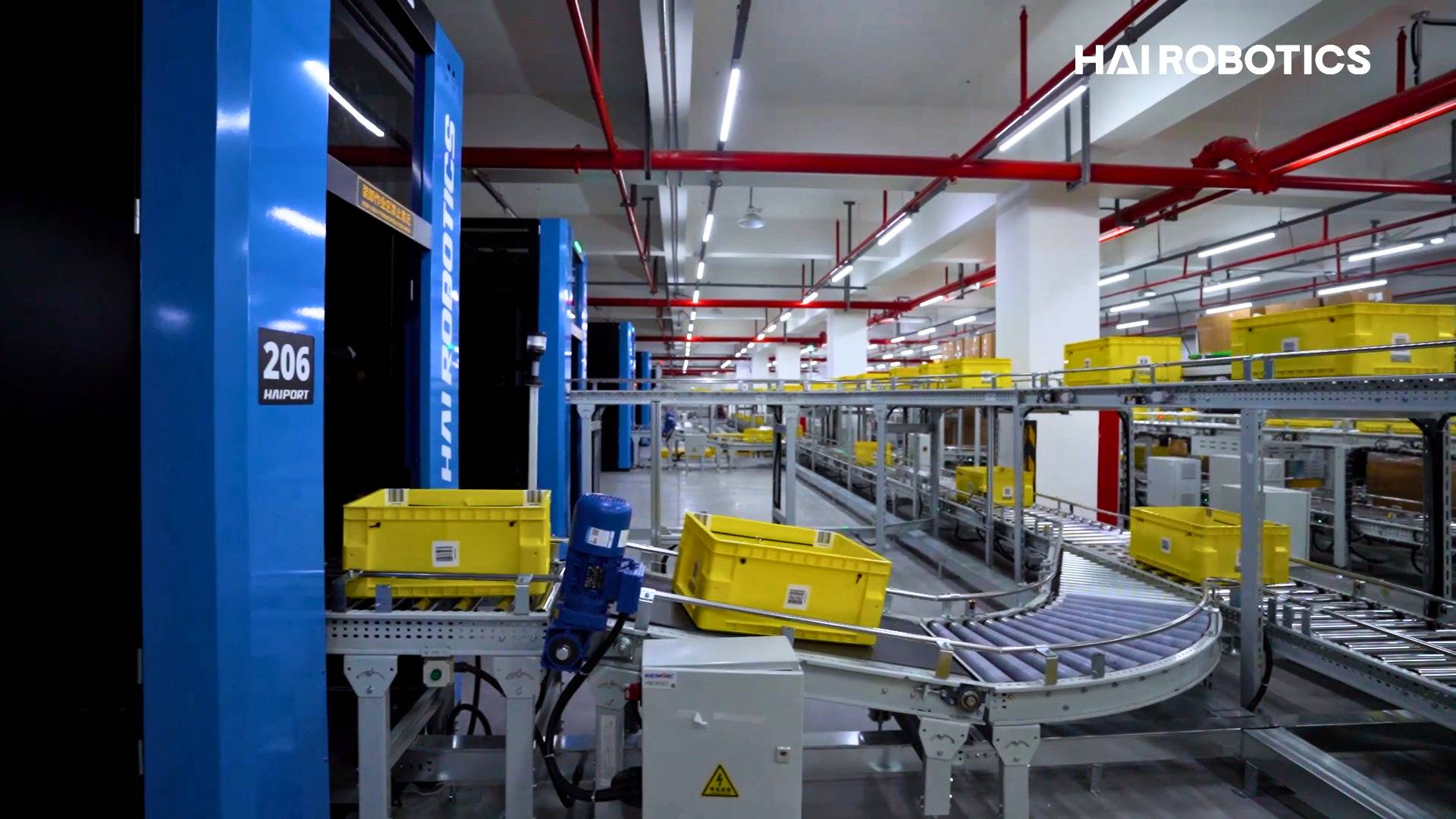
At JNBY, the return warehouse achieved a dramatic improvement in inbound efficiency, increasing from around 50 items per hour in a manual setup to over 5,000 items per hour after deploying HaiPick Systems. This transformation not only accelerated return processing but also freed up labor for other critical operations.
Flexible Putaway for Faster Inbound
If peak volumes create pressure, SKU complexity creates friction.
Returned apparel items rarely arrive in neat, predictable batches. Instead, they come back as highly fragmented assortments, often with very shallow SKU depth. In traditional workflows, this forces operators to sort items by SKU before storage, slowing down the entire inbound process.
HaiPick Systems removes this constraint by enabling a more flexible putaway strategy.
Storing mixed SKUs to speed up inbound
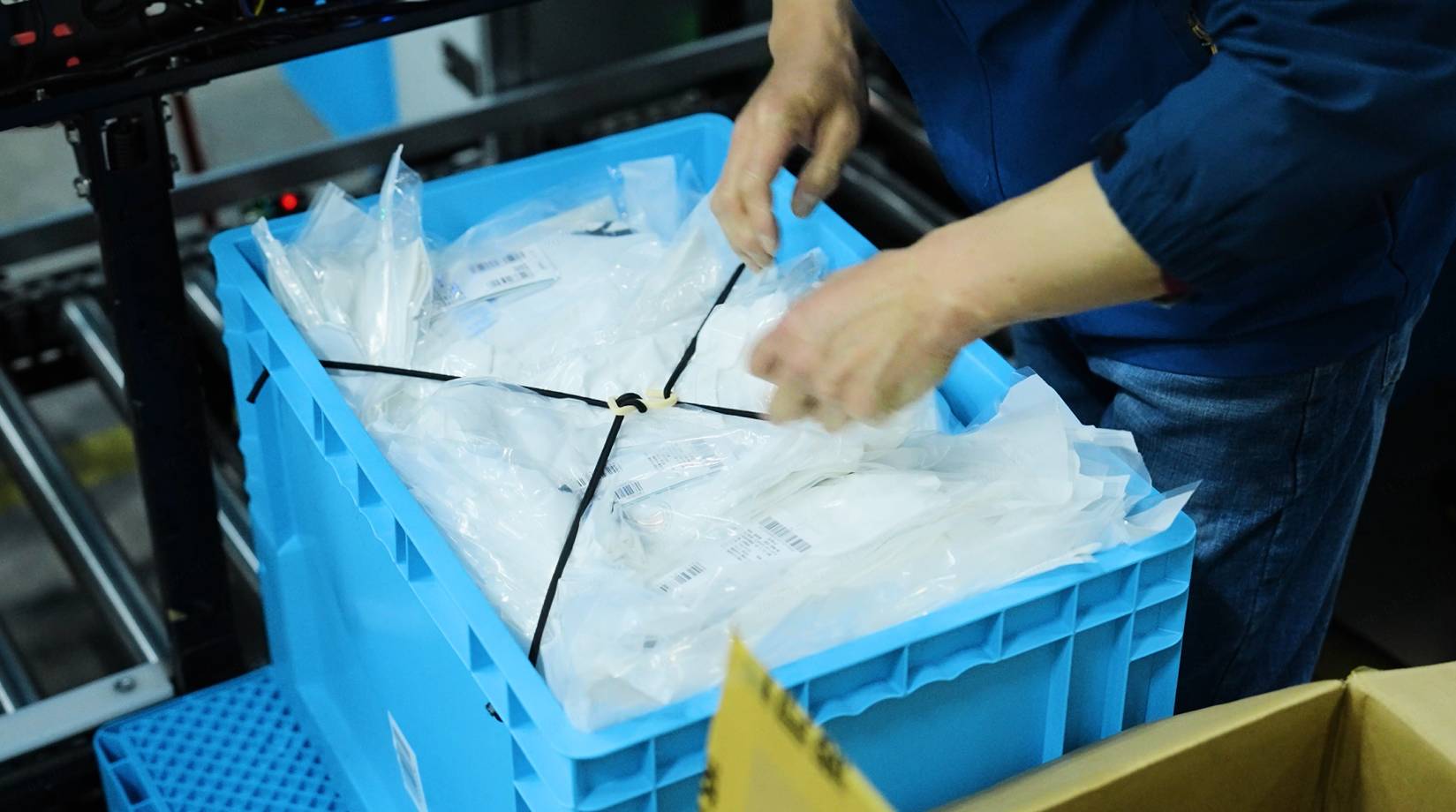
Instead of assigning one SKU per location or container, returned items can be placed into shared storage containers after quality check.
This means:
-
Items do not need to wait for full SKU sorting before being stored
-
Operators can complete putaway in fewer steps
-
Inbound throughput increases significantly during peak return periods
Keeping control through system management
Even with mixed storage, SKU-level visibility is fully maintained. HaiPick Systems tracks each item digitally and manages retrieval paths automatically. This allows operations to gain speed without sacrificing accuracy, which is critical when dealing with large assortments and frequent order changes.
Turning Returns into Fast-Fulfillment Inventory
Fast putaway is only the first step. The real impact comes from how quickly returned items can be picked and shipped again.
Positioning inventory based on demand
HaiPick Systems continuously analyzes SKU movement and adjusts storage locations accordingly. High-demand items are positioned closer to workstations, reducing retrieval time and improving responsiveness. Lower-priority inventory is stored deeper in the system, making better use of space without affecting performance.
Optimizing inventory in the background
During quieter periods, the system reorganizes inventory automatically. This includes consolidating items and reducing fragmentation across containers, which improves picking efficiency and reduces unnecessary robot movements during peak hours.
Enabling efficient fulfillment
With HaiPick Robots delivering goods directly to operators, picking becomes faster and more consistent. This is particularly important for e-commerce orders, where single-item orders dominate. The system supports efficient batch picking strategies, allowing operators to process multiple orders simultaneously with minimal movement.
Maximizing Storage Efficiency
Returns put pressure on warehouse space, but the real issue is often how long inventory stays idle.
Increasing storage density
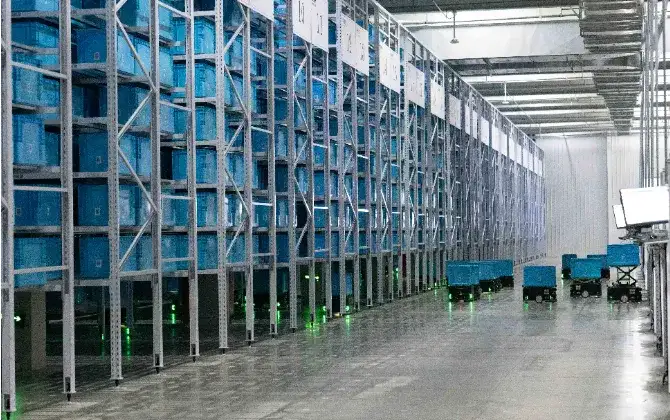
HaiPick Systems uses vertical storage and compact container handling to significantly increase storage density within the same footprint. With the HaiPick Climb solution, storage density can reach up to 45 totes per square meter, making full use of vertical space rather than relying on horizontal expansion. This allows warehouses to handle large volumes of returned items without expanding physical space, even during peak periods.
Reducing dwell time in storage
More importantly, faster processing means items spend less time sitting in the warehouse. Because returns are inducted quickly and made available for fulfillment sooner, inventory turnover improves naturally. This reduces congestion and ensures that space is used for active, sellable stock rather than items waiting to be processed.
Supporting unified inventory across channels
Returned items are quickly integrated into the overall inventory pool and can be allocated to both B2B and B2C orders. This creates a more responsive and flexible operation, where inventory is no longer segmented by channel or process stage, but managed dynamically based on demand.
At Bosideng, by consolidating stock across channels and improving allocation efficiency, faster circulation of returned and existing inventory led to a 50% reduction in inventory turnover days, helping the brand reduce seasonal risk and improve overall stock productivity.
Turning Returns into a Controlled, Scalable Flow
Returns will always be part of apparel logistics. What differentiates leading brands is how they handle them.
With HaiPick Systems from Hai Robotics, returns are no longer a source of disruption. Instead, they become part of a controlled and scalable operational flow where:
-
Workloads are balanced across time and resources
-
SKU complexity is handled without slowing inbound processes
-
Inventory is continuously optimized and ready for faster fulfillment
-
Space is used efficiently as inventory keeps moving
The shift is subtle but powerful. Returns are no longer something the warehouse reacts to. They become something the system is designed to handle. And in a market where speed and flexibility define competitiveness, that makes all the difference.
Ready to take a closer look?
If you are exploring ways to improve return handling and overall warehouse performance, HaiPick Systems offers a flexible approach that adapts to your business, whether you are scaling e-commerce, optimizing store replenishment, or managing seasonal return peaks.
Learn more about how HaiPick Systems can support your apparel operations, or connect with our team to explore what this could look like in your warehouse.