The Top 3 Black Friday Challenges Warehouses Face and How to Avoid Them Next Year
Discover the three most common peak-season warehouse challenges and learn how to avoid them next year with smarter storage and automation.
Black Friday has a way of revealing the truth about a warehouse.
Not through reports or dashboards, but in the lived reality of crowded aisles, overwhelmed picking teams, and the unmistakable feeling that everything was running one step behind the orders.
And here is something we’ve learned from observing peak season across the industry. Most warehouses face the very same three challenges during Black Friday. Different companies, different product categories, different footprints, yet the same bottlenecks appear year after year.
If any of the following scenarios felt familiar during your Black Friday rush, it is not because your warehouse underperformed. It is because these are the predictable pressure points that emerge when operations scale faster than the systems supporting them. The good news is that they are all preventable.
Let’s look at the three challenges that shape most peak seasons, why they appear, and what actually works to overcome them.
Challenge 1: SKU Growth Outpaces Your Space
Walk into many warehouses during Black Friday week and you can feel the shift immediately. SKUs multiply. Storage zones feel more crowded. Items sit in places where no planner ever intended them to sit. What used to be an organized slotting strategy becomes a daily improvisation.
What you likely saw
SKUs ballooning without enough structure. High-frequency items drifting into the wrong slots. Picking paths growing longer by the hour. Replenishment becoming reactive. A warehouse that looked large enough in September suddenly feeling surprisingly small.
Why this becomes a bottleneck
When SKU growth outpaces your storage strategy, things start breaking down in ways that aren’t always obvious at first. You might still have “enough” space on paper, but the workflow tells a different story.
-
Fast movers end up scattered across multiple aisles, so your slotting strategy stops doing its job
-
Replenishment ramps up, packing more traffic into shared aisles
-
Inventory surges become something you react to instead of something you manage proactively
Before long, pickers are walking farther, aisles feel tighter, and every task takes a little longer. The result? Overall picking efficiency drops, even though the warehouse technically hasn’t run out of capacity.
What actually works
Warehouses that stay stable through peak season do something differently. They just use their space smarter. So what do they actually do?
-
They utilize multi-deep storage (1-deep / 2-deep / 3-deep) based on picking frequency:
-
High-frequency SKUs in shallow positions (1-deep)
-
Medium-frequency SKUs in 2–3 deep positions
-
Low-frequency SKUs in deep or higher levels
-
-
They organize vertical zones to maximize available space:
-
Fast movers placed near picking zones
-
Medium/low-frequency SKUs moved to higher levels
-
Efficient cross-level aisle workflows
-
-
They fine-tune slotting so hot SKUs live right where pickers need them
-
They set up buffer zones to temporarily stage replenishment and picking tasks
What Hai Robotics provides
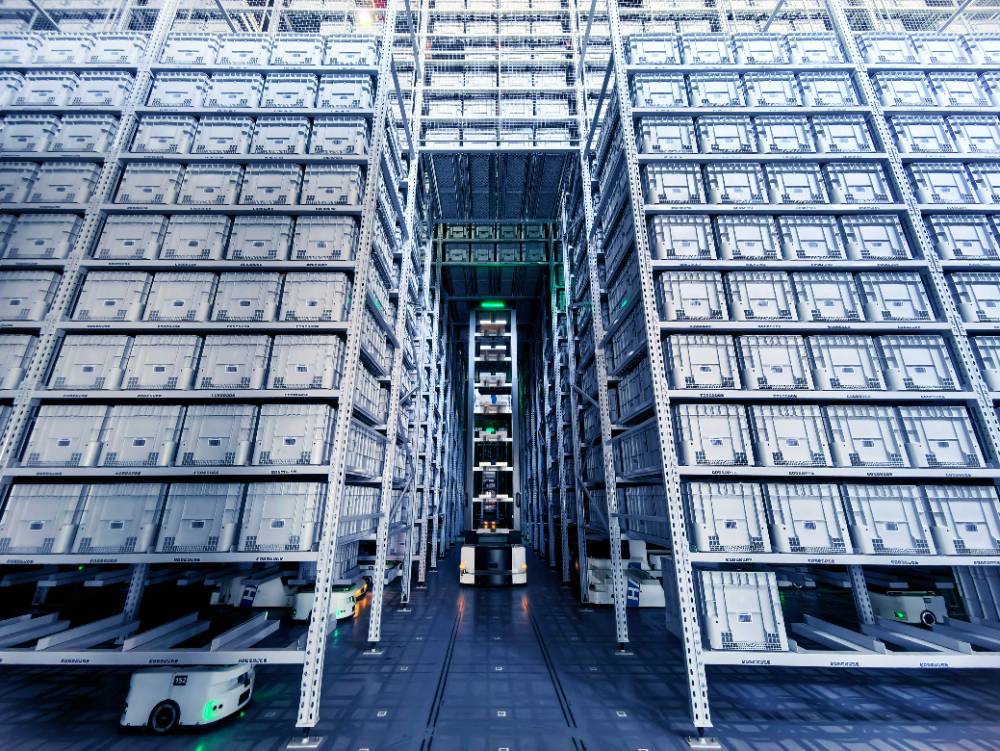
To optimize space utilization, warehouses can take advantage of robots capable of adjustable lifting. ASRS Systems like HaiPick System 3 can add storage above existing aisles and support dense, multi-deep storage up to three-deep. During quieter hours, the system can reorganize SKUs based on picking frequency and create temporary buffer zones, improving warehouse space utilization and preventing congestion before peak hours hit.
Challenge 2: Order Volume Surges Faster Than Picking Capacity
This is the moment during Black Friday when pickers start moving faster, but orders still pile up. Throughput drops. Batches sit in queues. Peaks hit harder than expected. The pace of demand simply moves faster than the workflow.
What you likely saw
Order waves that were too big, too fast. Pickers stretched thin. Robots or stations working at their limit. Longer travel distances slowing every step. Delays that were small at first but compounded quickly.
Why this becomes a bottleneck
Peak-season demand rarely arrives at a steady pace; it hits in waves. And when those waves get big, manual or semi-automated workflows simply can’t stretch fast enough. Throughput starts slipping for a few key reasons:
-
Picking stations or robots can’t keep pace with the sudden jump in order volume
-
Longer travel distances turn small delays into bigger slowdowns during high-volume periods
-
When demand spikes sharply, the system can’t temporarily scale to absorb the extra load
Everything feels like it’s working at full speed, yet the orders keep piling up. That’s when throughput becomes the limiting factor.
What actually works
Warehouses that stay ahead of these surges focus on smoothing out the flow, not just pushing harder. What helps most is boosting throughput intelligently:
-
Using high-throughput robotics with dynamic routing, so multiple picking paths run smoothly at once
-
Adding more pick stations and balancing work during peak hours to keep queues from forming
-
Scaling robot volume temporarily during the busiest periods, without disrupting the rest of the operation
What Hai Robotics provides
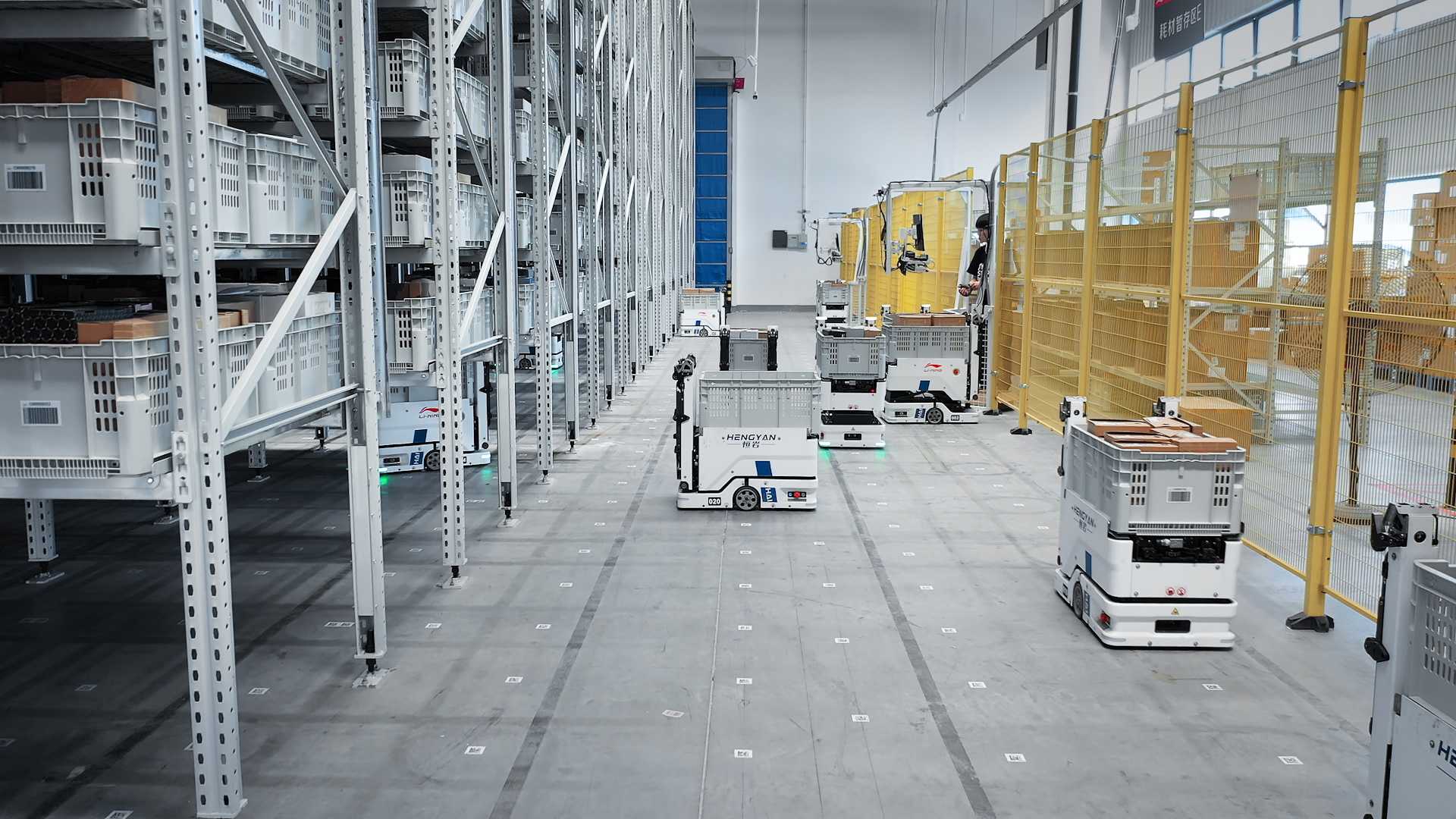
HaiQ software helps manage order waves in real time. It integrates with existing systems, prioritizes tasks based on order urgency, and optimizes picking and replenishment workflows. During peak periods, HaiPick Robots like HaiClimbers can be temporarily added to handle increased volume, ensuring orders continue to move efficiently without disrupting other operations.
Challenge 3: Returns Flood the Warehouse After the Rush
Black Friday ends, the sales look great, and then everything comes back. Returns arrive in bulk, storage areas fill up, and outbound operations get disrupted right when the warehouse is trying to reset.
What you likely saw
Congestion near inbound areas. Restocking delays for popular SKUs. Overflow spilling into picking aisles. Space usage hitting uncomfortable levels. A warehouse that felt completely different from the week before.
Why this becomes a bottleneck
Returns hit hardest during peak season because they arrive just when your warehouse is already stretched thin. And unlike outbound orders, returns require extra steps: inspection, sorting, grading, and repacking. All of that needs space and labor that are already under pressure.
Here’s what typically happens:
-
Storage areas operating at 80%+ utilization have no room to absorb unsorted returns
-
High-demand SKUs wait too long to be restocked, slowing outbound fulfillment
-
Return congestion spills into picking aisles, interrupting normal workflows
Before long, inbound slows, outbound slows, and every part of the system feels the ripple effect. Returns quietly turn into one of the biggest hidden bottlenecks of peak season.
What actually works
Warehouses that handle returns smoothly treat them as a parallel workflow, not an afterthought. The goal is to keep returns moving quickly without blocking outbound operations. The best-performing teams typically:
-
Set up dedicated return zones for fast inspection and quick processing
-
Use temporary staging areas to buffer incoming returns before restocking
-
Apply smart putaway strategies that push high-demand SKUs back into circulation quickly
-
Integrate returns into overall warehouse workflows, so inbound tasks never obstruct outbound flow
With these practices, returns stop competing with outbound orders and instead flow back into the system without creating new bottlenecks.
What Hai Robotics provides
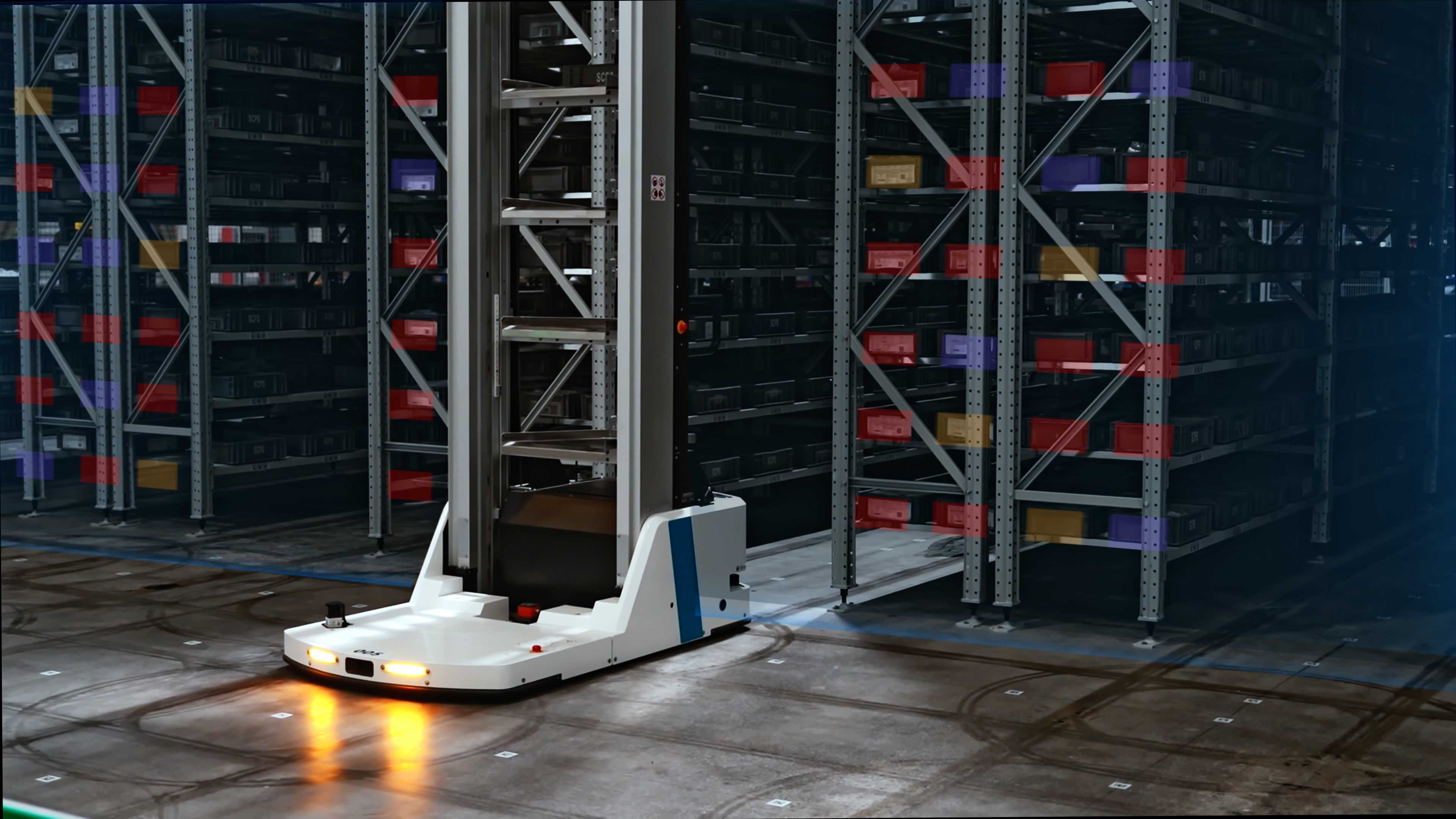
In HaiPick systems, HaiQ software can dynamically reorganize inventory based on item popularity, ensuring that returned products are placed in optimal locations for fast turnover. Combined with different types of HaiPick robots handling cases, totes, or multi-deep storage, this approach minimizes manual handling and keeps peak picking operations running smoothly even during high return volumes.
So Which Challenge Hit You This Year
Think back to your Black Friday week. The first step to improving peak-season performance is understanding your warehouse’s real challenges.
Ask yourself:
-
Which operational challenge creates the biggest strain?
-
How flexible are your workflows and systems in responding to surges?
-
Where could targeted adjustments make the most impact?
Identifying these key pain points helps you evaluate which solution would be most effective. If you want your next peak season to feel controlled rather than chaotic, let’s talk. Hai Robotics can help you strengthen the exact part of your operation that struggled this year.
Want a solution tailored to your warehouse scenario? Contact us to explore how Hai Robotics can help optimize your operations for peak season and beyond.