How Leading Apparel Brands Are Redesigning Warehouse Fulfillment for SKU Proliferation and Demand Volatility
SKU proliferation and volatile demand are reshaping apparel warehouse fulfillment. Learn how leading apparel brands are redesigning fulfillment systems to maintain accuracy, stability, and throughput under pressure.
Across leading apparel brands, one pattern keeps emerging.
Growth itself is not what breaks warehouse operations. Complexity does.
Expanding assortments, shorter fashion cycles, omnichannel fulfillment, and increasingly unpredictable demand have fundamentally changed how apparel warehouses operate. What once worked at lower SKU counts and steadier volumes now struggles to keep pace when thousands of SKUs must be handled accurately within compressed demand windows.
The apparel brands staying ahead are not simply scaling labor or pushing for more speed. They are rethinking how warehouse fulfillment is designed, from storage strategies to picking flows and system coordination.
At the center of this shift are two forces that are no longer temporary challenges but long-term realities: SKU proliferation and demand volatility.
Understanding how leading apparel brands adapt their fulfillment operations in response is now critical to maintaining accuracy, throughput, and operational resilience.

Why SKU Proliferation Is Reshaping Apparel Warehousing
SKU proliferation in apparel is not accidental. It is the direct result of how brands compete today.
Assortments continue to expand across styles, sizes, colors, fits, and collections. Online and offline channels increasingly share inventory. Regional variations, capsule collections, and sustainability-driven launches add further layers of complexity. At the same time, returns flow back into active inventory, reintroducing SKUs that must be stored, tracked, and fulfilled again.
For warehouse operations, this shift has a clear implication: SKU counts are growing faster than overall order volume.
Leading apparel brands recognize that SKU complexity matters more than sheer volume. Every additional SKU increases storage fragmentation, inventory movement, and operational decision-making. Warehouses optimized for throughput alone struggle when variety becomes the dominant variable.
The challenge is no longer just how many orders move through the facility, but how many different items must be accessed accurately, repeatedly, and under pressure.
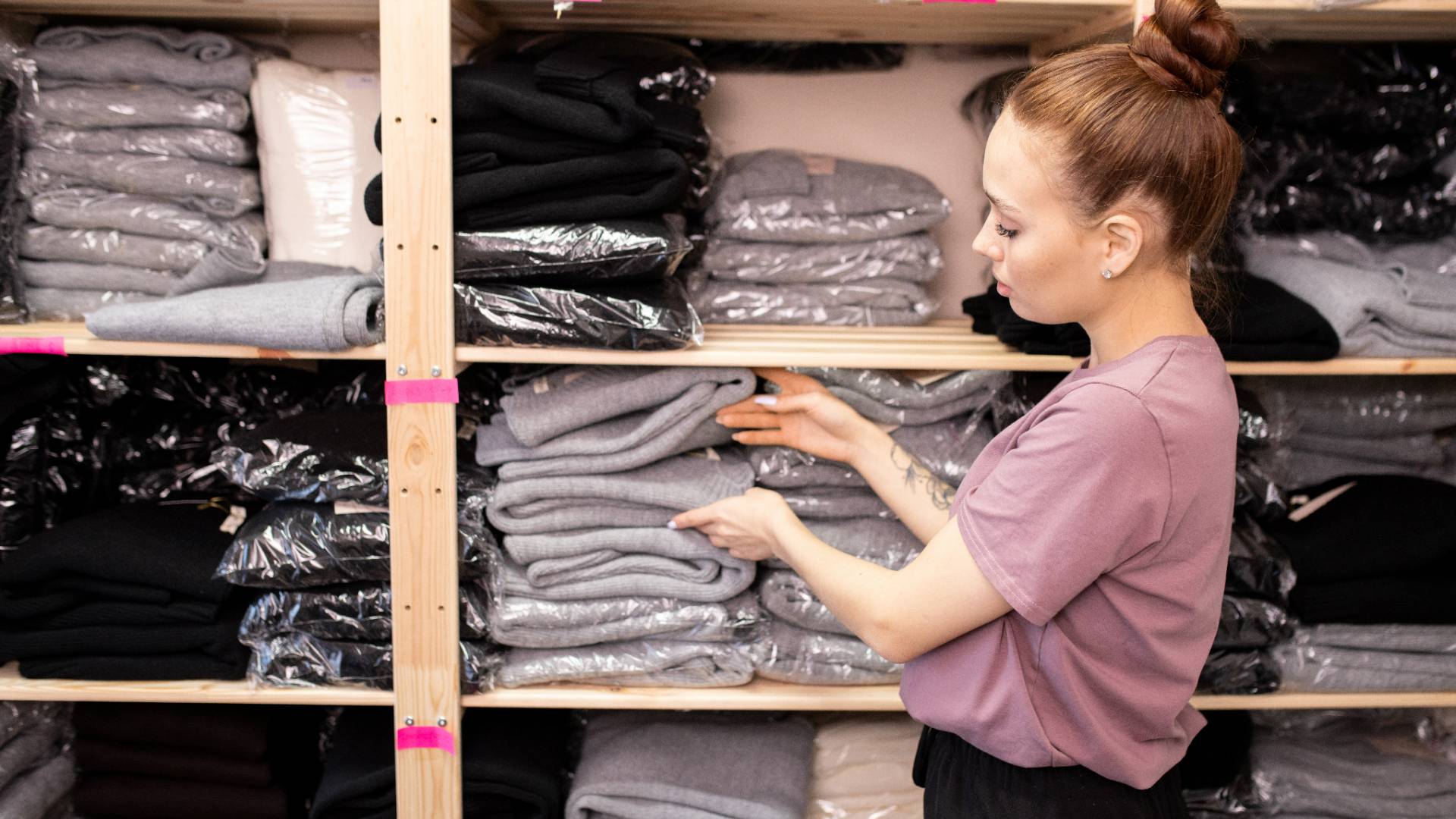
How SKU Proliferation Increases Fulfillment Complexity
As SKU counts rise, traditional fulfillment models begin to show structural limits.
In high-SKU apparel warehouses, picking paths become fragmented. Operators travel longer distances to retrieve fewer units per pick. Inventory locations shift frequently as assortments rotate, forcing constant re-slotting. Seasonal transitions compress setup windows, leaving little room for manual adjustments.
Accuracy becomes harder to sustain. Similar-looking SKUs, frequent movement, and higher pick density increase the risk of errors. These mistakes are rarely caused by lack of effort. They are symptoms of systems stretched beyond what they were designed to handle.
What leading brands identify early is that operational variability becomes the real constraint. Throughput slows not because volume is too high, but because every order behaves differently. Different SKUs, order profiles, and priorities compete for the same resources.
In this environment, speed alone does not create stability. System design does.
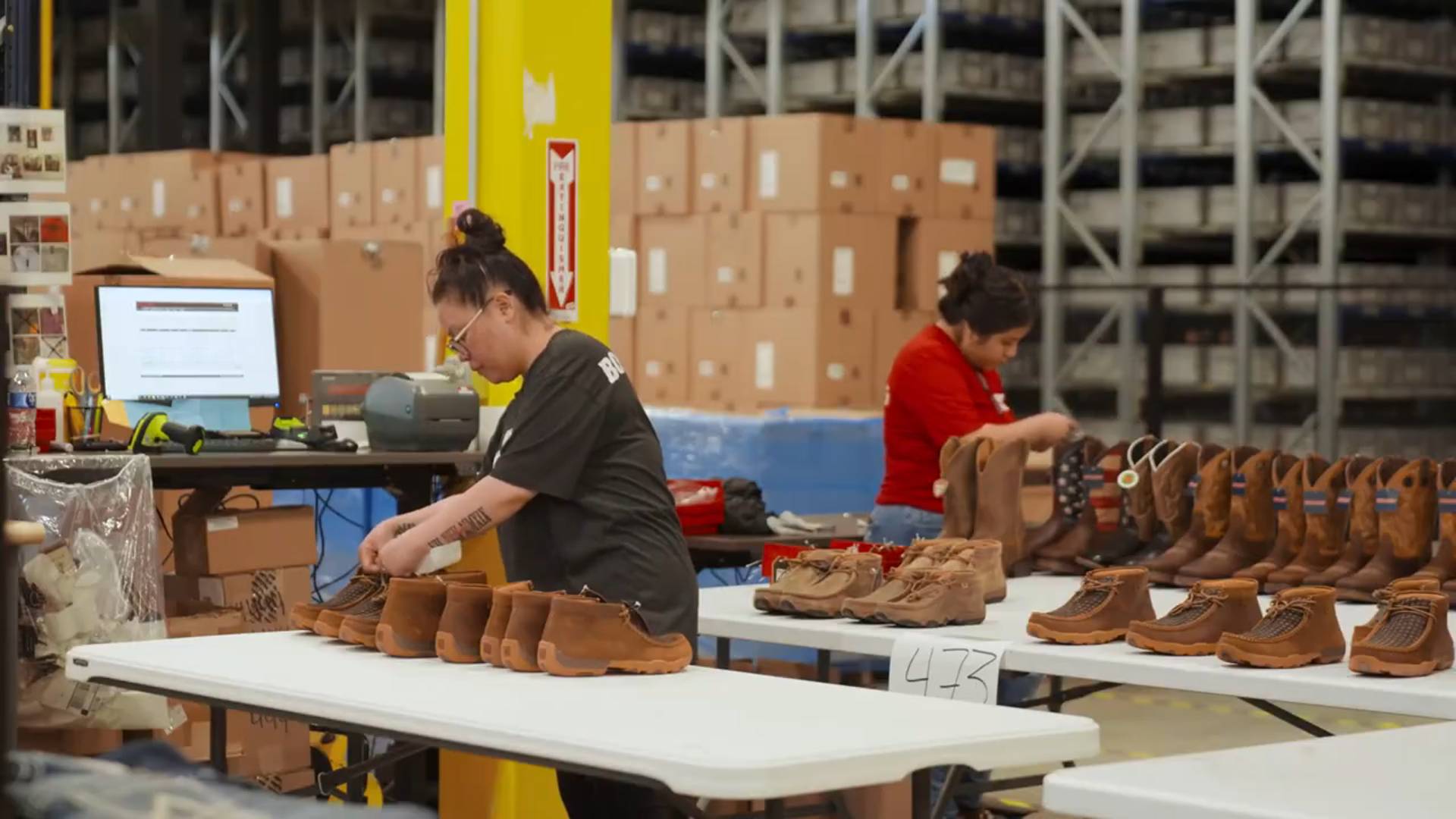
Why Demand Surges Expose Structural Weaknesses
Demand volatility is where fulfillment weaknesses become visible.
Promotions, flash sales, seasonal peaks, and social-driven demand spikes compress order volumes into short timeframes. When high SKU complexity meets these demand surges, fulfillment systems are pushed to their limits.
Labor-heavy models are particularly vulnerable. Adding overtime or temporary labor may increase capacity on paper, but often reduces consistency in practice. Training time, unfamiliarity with complex SKU environments, and shifting bottlenecks undermine performance.
Leading apparel brands have learned that scaling labor is not the same as scaling capability.
At this stage, the challenge is not how hard the warehouse works, but whether its structure can absorb volatility without breaking.
Redesigning Fulfillment Around SKU Proliferation
From Fixed Locations to Flexible Storage Strategies
Fixed shelving and static slotting struggle in high-SKU apparel environments. When assortments change constantly, fixed locations lock inefficiencies into the layout.
Leading brands increasingly move toward flexible storage strategies that adapt dynamically to changing SKU profiles. Inventory is stored based on demand patterns rather than permanent locations. Fast-moving items remain accessible. Slow movers do not consume premium space. Re-slotting becomes continuous and system-driven instead of disruptive and manual.
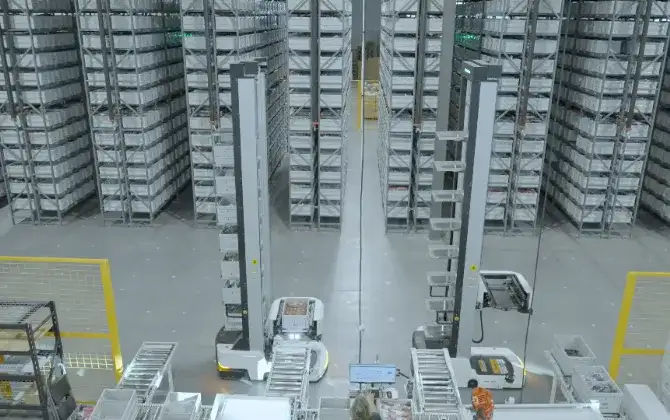
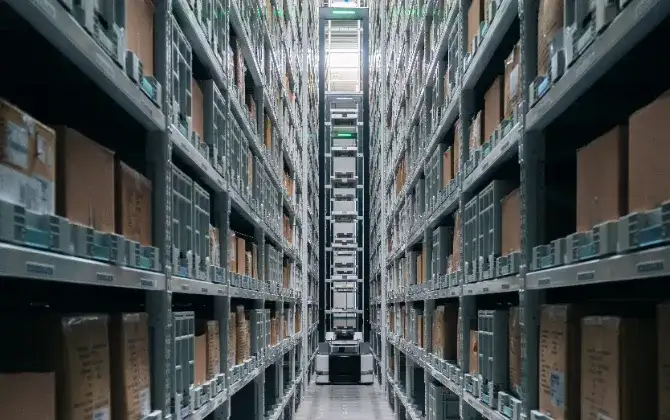
Solutions such as HaiPick Climb (HPC) support this shift by enabling vertical, flexible storage that adapts to assortment changes without requiring structural reconfiguration. By decoupling storage logic from fixed locations, apparel warehouses gain the ability to scale SKU counts without proportional increases in complexity.
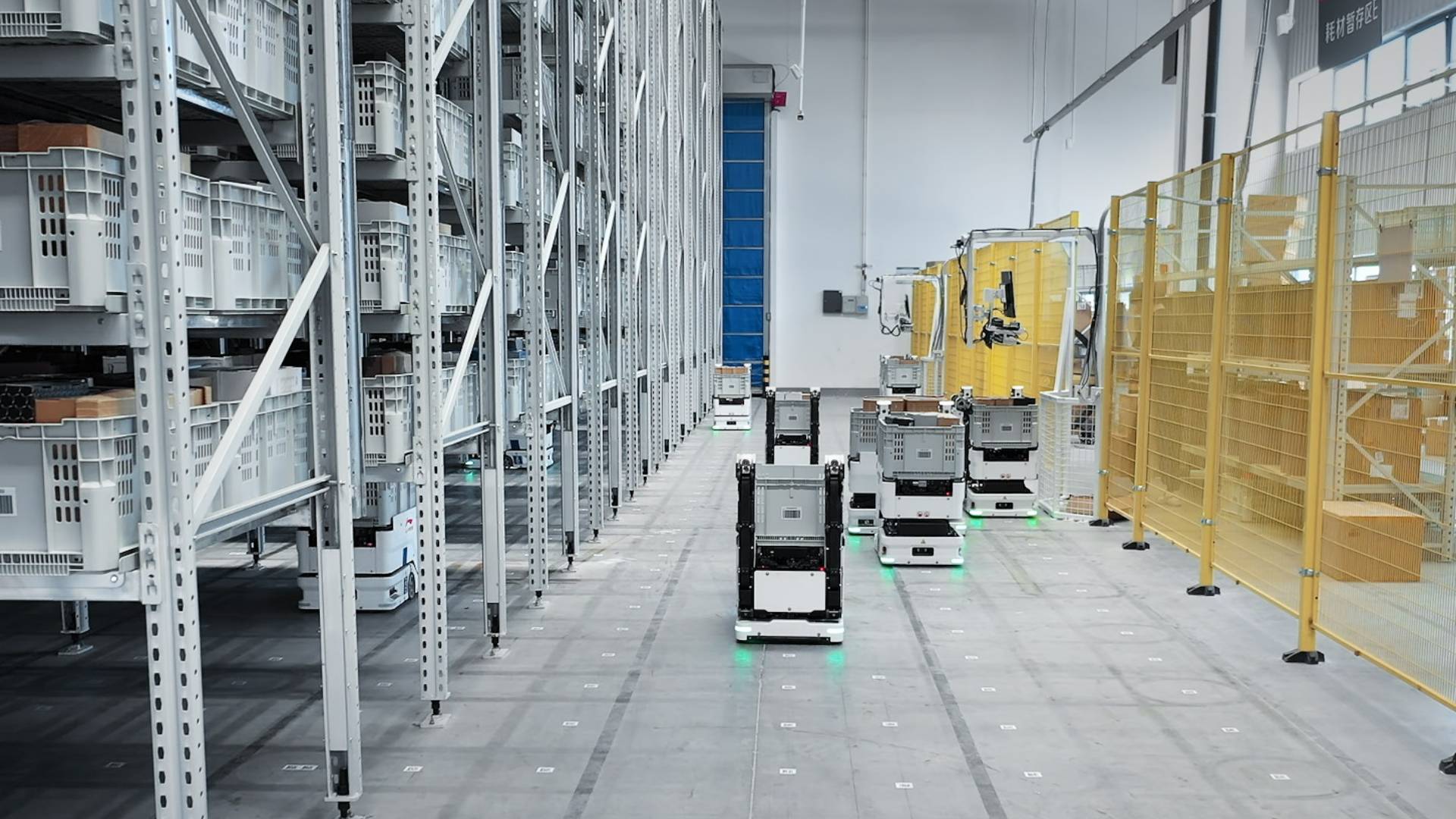
Rebalancing Picking, Replenishment, and Packing Flows
In high-SKU apparel operations, bottlenecks rarely stay in one place.
One day, picking becomes the constraint. The next, replenishment cannot keep up. During peaks, packing absorbs the pressure. Leading brands avoid tightly coupling these processes, knowing that variability in one area should not destabilize the entire operation.
Decoupling picking from packing allows each function to operate at its optimal pace, smoothing flow across the system and reducing downstream congestion.
Solutions such as HaiPick System 3 (HPS3) enable goods-to-person workflows that reduce unnecessary travel, dynamically balance workloads, and maintain throughput even as SKU complexity and order variability increase.
The focus shifts from maximizing speed to maintaining stability across fluctuating conditions.
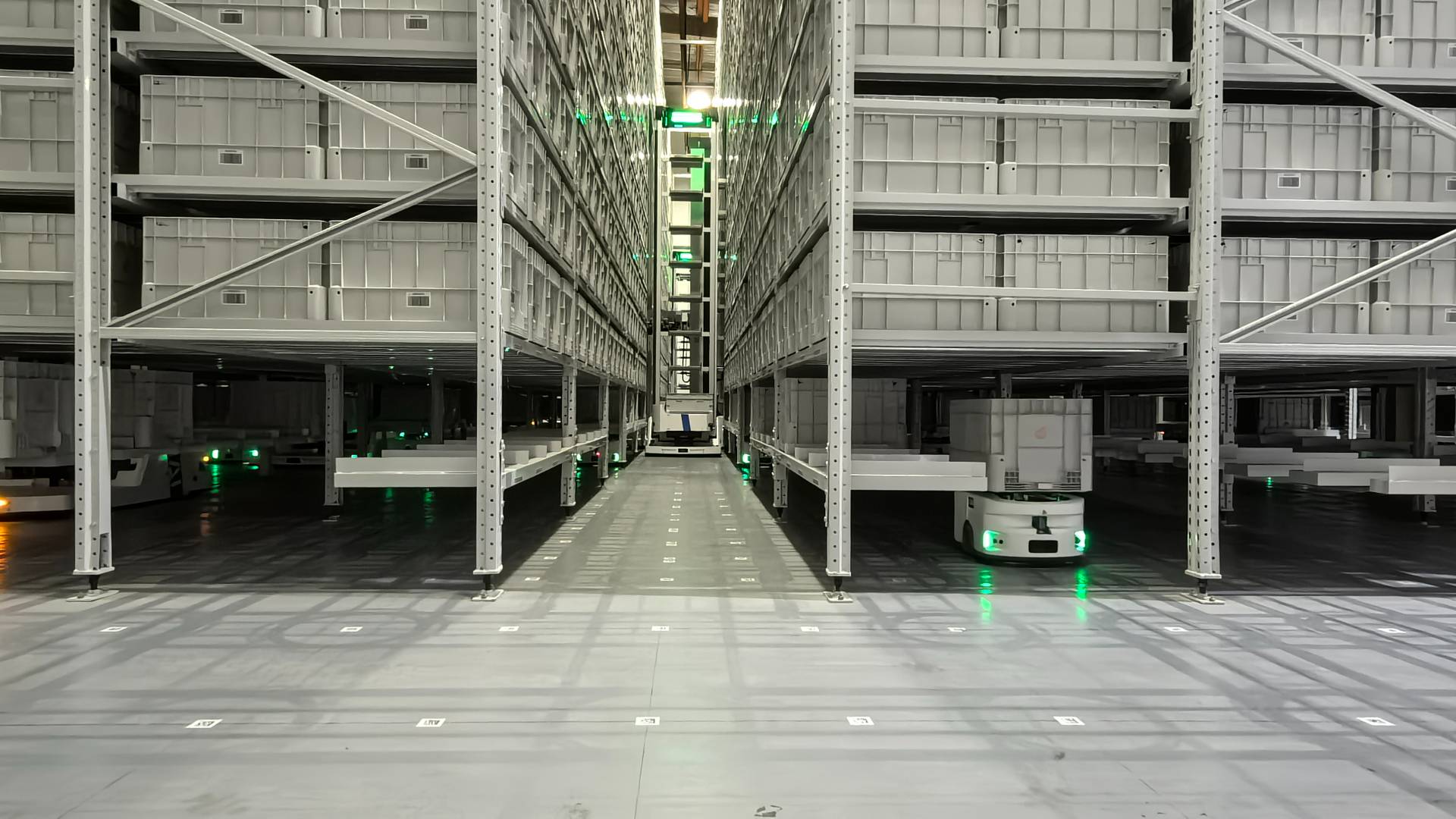
Designing Fulfillment for Accuracy at Scale
Accuracy in high-SKU environments is not an individual responsibility. It is a system outcome.
As SKU counts grow and throughput increases, error rates tend to rise unless the system actively prevents them. Visual similarity between items, frequent inventory movement, and time pressure create conditions where mistakes become more likely.
Leading apparel brands prioritize system-level coordination over individual speed. Integrated inventory tracking, controlled pick sequences, and automated verification reduce reliance on memory and manual checks.
Solutions such as HaiPick System 1 (HPS1) demonstrate how coordinated automation can sustain high accuracy even in dense, high-SKU environments, allowing fulfillment teams to maintain performance without sacrificing reliability.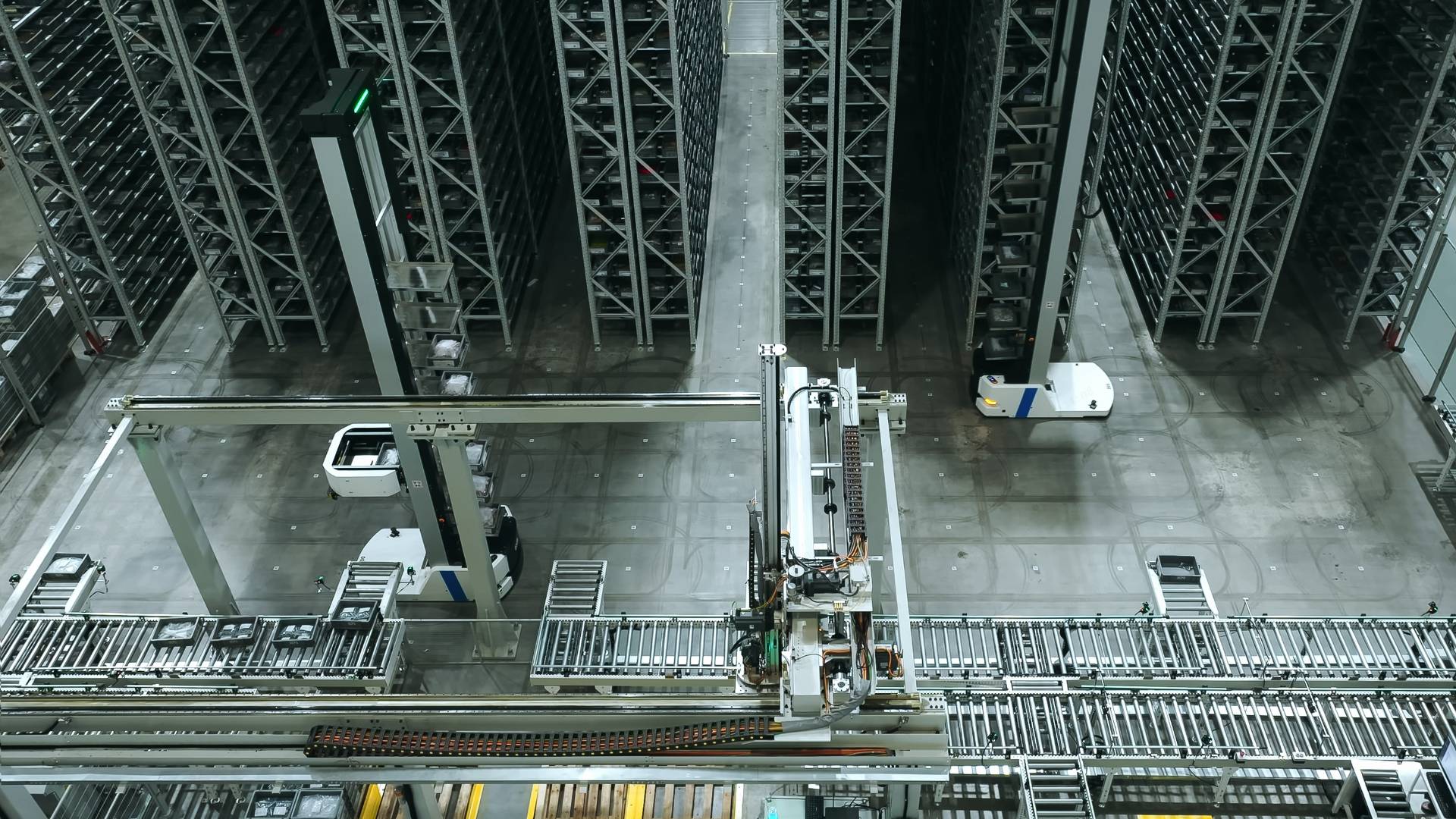
How Leading Apparel Brands Maintain Fulfillment Stability Under Pressure
Many leading apparel brands reached a point where traditional warehouse setups could no longer support their growth.
SKU proliferation led to fragmented storage. Manual picking struggled to keep pace with frequent assortment changes. Seasonal peaks amplified inefficiencies rather than simply increasing volume.
Rather than chasing incremental fixes, these brands took a different approach. They rethought how their fulfillment systems were designed, focusing on flexibility, system-level coordination, and long-term scalability. The result was not just higher throughput, but more predictable performance under pressure.
Brands such as Avenue Shops, New Wave Textiles, Desigual, Scalpers, and NEPA illustrate how apparel operations are responding to growing SKU complexity and demand volatility by redesigning storage, picking, and fulfillment flows.
Each faced different operational challenges, but shared a common goal: maintaining accuracy and stability as complexity increased. Their approaches offer valuable insight into how leading apparel brands are future-proofing warehouse fulfillment.
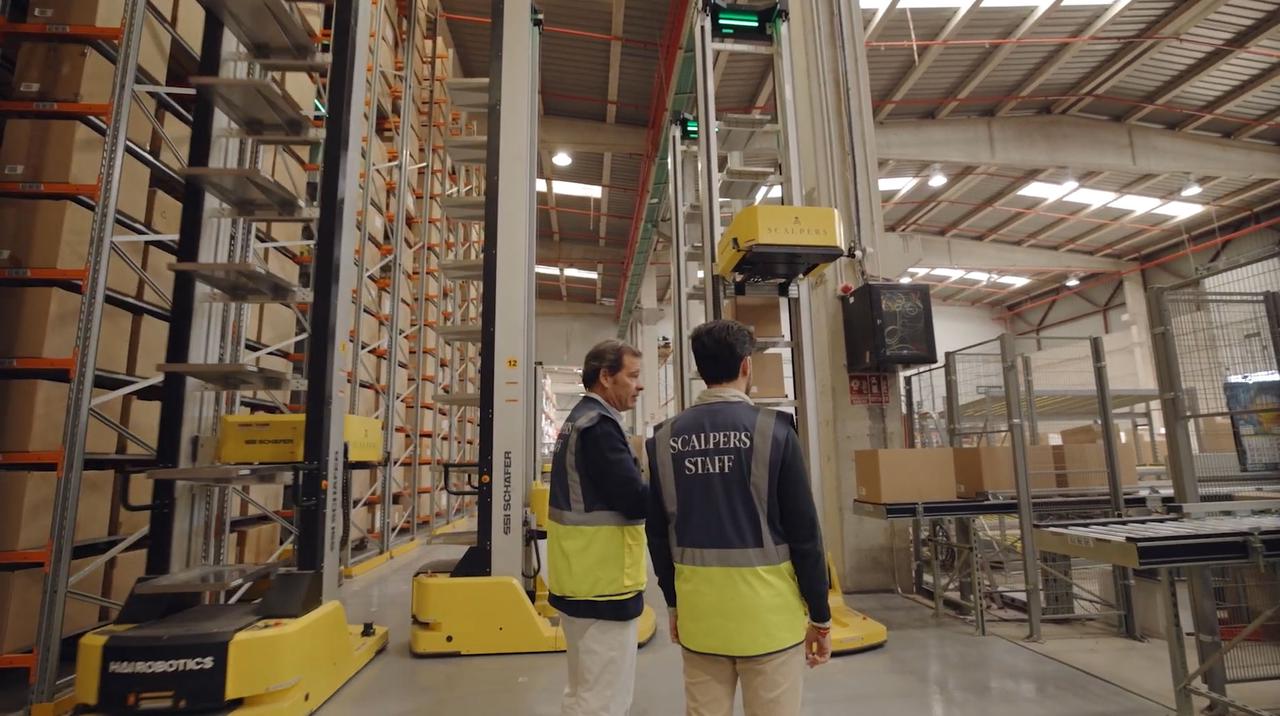
👉 Explore the full case studies to see how each brand approached its transformation.
Why SKU Proliferation and Demand Volatility Are Long-Term Realities
SKU proliferation is not slowing down. It is accelerating.
Consumers expect more choice, faster refresh cycles, and greater personalization. Promotional strategies rely increasingly on short bursts of demand rather than steady volume. Returns continue to feed back into active inventory.
For apparel warehouses, volatility is no longer an exception. It is the baseline.
Leading brands accept this reality and design fulfillment systems accordingly. Instead of fighting variability, they build operations that can absorb it repeatedly without sacrificing accuracy or stability.
Designing Apparel Fulfillment for the Long Term
Short-term efficiency gains can be tempting. Faster picking, higher labor utilization, tighter schedules. In high-SKU, volatile environments, these optimizations often come at the expense of resilience.
Leading apparel brands focus on fulfillment systems that prioritize adaptability, scalability, and long-term stability. Warehouses that can adjust storage strategies, rebalance flows, and maintain accuracy under pressure are better positioned to support growth without constant firefighting.
Fulfillment design decisions made today define what apparel operations can support tomorrow. As SKU complexity and demand volatility continue to rise, resilience becomes a competitive advantage.
Ready to rethink how your apparel warehouse handles SKU complexity?
Get in touch with our team to explore modular automation strategies tailored to your operation, today and as you scale.