Why Climbing Robots Are Becoming the Future of Warehouse Automation
Discover why climbing robots are shaping the future of warehouse automation with greater flexibility, scalability, and high-throughput performance.
Warehouse automation is entering a new stage. For years, businesses have focused on increasing throughput, reducing labor dependence, improving picking accuracy, and making better use of warehouse space. These priorities remain important, but the challenges facing modern warehouses have become far more complex.
SKU counts continue to rise. Orders are becoming more fragmented, while expectations for faster fulfillment keep growing. At the same time, business models are evolving. A warehouse serving retail replenishment today may need to support e-commerce fulfillment tomorrow. A system that meets current requirements may become a constraint on growth just a few years later.
This means warehouse automation can no longer be evaluated on efficiency and performance alone. It must also adapt to changing operational needs and scale as businesses grow.
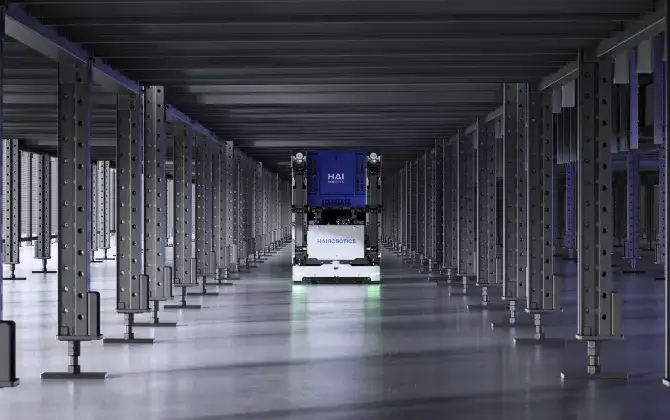
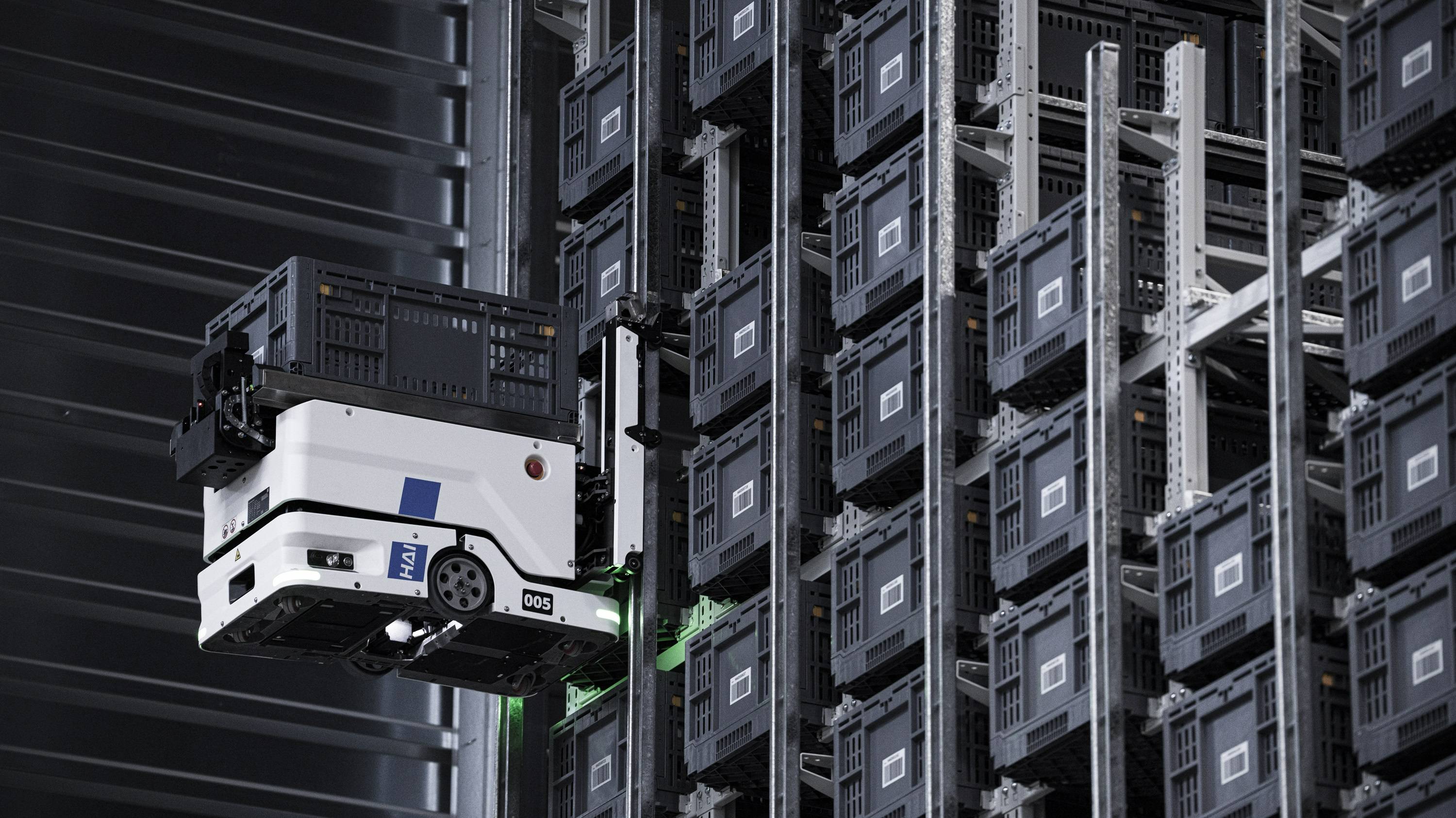
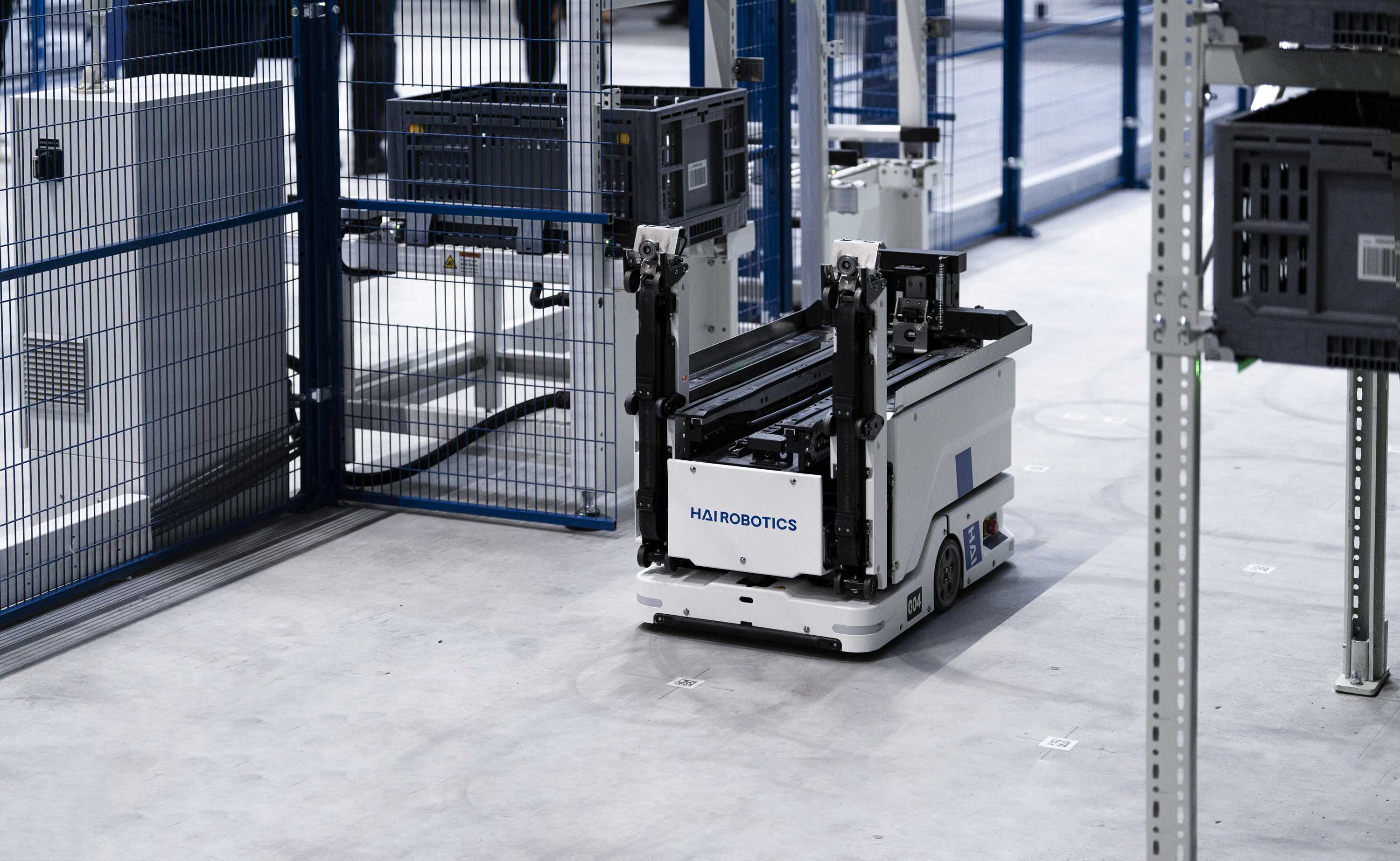
Against this backdrop, climbing robots are attracting increasing attention. Unlike mobile robots operating primarily on the warehouse floor, climbing robots can travel horizontally and vertically along storage racks to access inventory at different heights.
Yet their significance goes beyond the ability to climb. It lies in the automation architecture behind that capability — and how it can address the evolving challenges of modern warehouses.
1. Warehouse Automation Must Adapt to Changing Business Needs
Traditionally, warehouse automation has been evaluated through speed, throughput, and storage capacity. But strong performance under fixed conditions is no longer enough to determine whether a system can support future business needs.
Real-world warehouses rarely operate under the same conditions for a long time. SKU assortments evolve, order volumes fluctuate, sales channels expand, and fulfillment processes change. A system designed around today's operations may become a limitation tomorrow.
Businesses no longer need automation systems that simply deliver high performance. They need systems that can continue adapting as their operations evolve.
Climbing robot systems offer flexibility in three important ways.
First, greater throughput potential. By combining vertical retrieval and horizontal transportation within a single robotic platform, climbing robot systems can reduce certain equipment handoffs and coordination constraints found in some conventional automation architectures, creating opportunities to increase the overall throughput ceiling.
Second, adaptability to different workflows. Retail replenishment, e-commerce fulfillment, and manufacturing material handling have different operational requirements. By supporting different workstation configurations and functionalities, climbing systems can accommodate batch handling, piece picking, and various inbound and outbound processes without forcing every operation into a single predefined workflow.
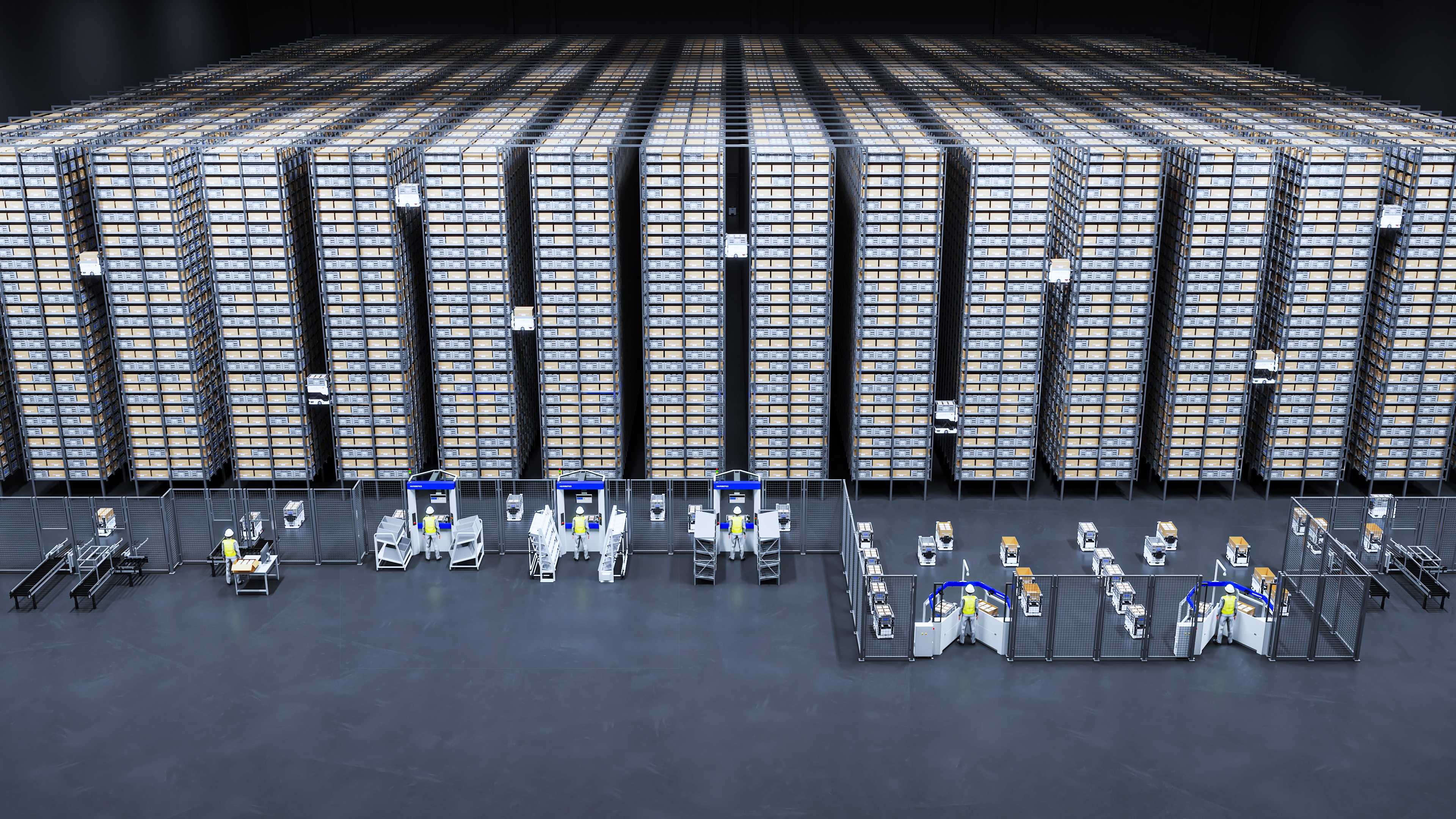
Third, long-term scalability. Businesses can gradually add robots, storage capacity, and workstation processing capabilities as demand grows. When workflows change, workstation configurations and operating strategies can also be adjusted, reducing the need to build all anticipated capacity upfront.
The value of climbing robots therefore extends beyond storage density or retrieval speed. It lies in combining throughput potential, operational adaptability, and scalability within one automation architecture.
The defining question is shifting from "How much can this system achieve today?" to "Can it continue meeting our needs as our business evolves?"
2. Brownfield Automation Is Becoming an Important Opportunity
Not every warehouse automation project starts from scratch. Many businesses need to introduce automation into existing facilities while working around building structures, ceiling heights, fire safety requirements, floor load limits, and established material flows — all without prolonged operational disruption.
For these projects, the challenge is not simply what performance a new system can deliver, but how effectively it can fit into existing operations.
Climbing robots offer another architectural option. By combining vertical retrieval along storage racks with horizontal transportation, storage layouts, material flows, and workstation configurations can be designed around available space and operational requirements.
The key consideration, however, is not simply installation complexity. It is whether the system can adapt to the facility's actual constraints.
Can storage be configured around the existing building? Can workstations connect with established inbound and outbound processes? Can implementation be planned to minimize operational disruption?
As more businesses modernize existing logistics facilities, the ability to deliver value within real-world building and operational constraints will become an increasingly important competitive factor.
3. Growing SKU Complexity Demands More Flexible Storage and Retrieval
Warehouses are becoming more complex not only because order volumes are increasing, but because SKU assortments are expanding and products are becoming more diverse. Retail, e-commerce, apparel, healthcare, and manufacturing operations must manage inventory with different dimensions, characteristics, and turnover rates. Automation must therefore address two challenges simultaneously: storing more products within limited space while maintaining fast, flexible inventory access.
How E-commerce Warehouses Can Handle More SKUs Without Slowing Fulfillment
Climbing robot systems combine high-density storage with flexible retrieval. Robots can access inventory at different rack heights and transport goods point-to-point between storage areas and workstations based on order requirements. But the real challenge goes beyond creating more storage locations. It is managing differences in SKU turnover, order relationships, and inventory distribution. Fast-moving SKUs require rapid response, while long-tail inventory demands efficient storage utilization. Intelligent inventory allocation, task scheduling, and workstation coordination are essential to balancing these requirements. The future of warehouse automation therefore requires more than higher storage density. It requires smarter inventory management and orchestration.
The challenge is no longer simply moving goods faster, but managing growing inventory complexity more efficiently within limited space.
4. Automation Systems Must Remain Efficient as They Scale
A system that performs well with dozens of robots will not necessarily maintain the same efficiency when expanded to hundreds or thousands. As robot fleets grow, capacity may increase, but so does the complexity of task allocation, traffic management, equipment coordination, and congestion. Adding more robots does not automatically translate into higher throughput.
The integrated architecture of climbing robots combines vertical retrieval with horizontal transportation, reducing certain equipment handoffs and creating more flexibility for robot orchestration and task allocation.
However, architectural advantages alone do not guarantee performance at scale.
What ultimately matters is whether the software can continuously coordinate robots, inventory access, traffic flow, and workstation capacity—preventing local bottlenecks from eroding the benefits of additional robots.
Evaluating climbing robot technology therefore requires looking beyond speed, climbing height, and payload capacity to fleet orchestration, path planning, traffic management, exception recovery, and long-term reliability.
When hundreds or thousands of robots operate together, the ability to consistently turn scale into productive throughput becomes the true measure of system maturity.
Five Things That Matter Most When Choosing a Climbing Robot System
5. The Way Businesses Evaluate Automation Investments Is Changing
Warehouse automation is a long-term investment, yet predicting operational requirements five or ten years ahead remains difficult. Building a system around maximum anticipated demand from day one can mean investing heavily in capacity that may remain underutilized for years.
Modular, scalable automation architectures offer another approach. Businesses can plan for future expansion and gradually add robots, storage capacity, and workstation capabilities as demand grows, aligning automation investment more closely with business development.
At the same time, automation value is increasingly being evaluated across the entire fulfillment process, rather than through individual equipment efficiency. For example, batch picking can improve front-end productivity but may introduce additional sorting, buffering, sequencing, and order consolidation downstream. In some e-commerce environments with high SKU counts and shallow order profiles, direct order picking may become more economical if inventory can be accessed and transported efficiently through point-to-point movement.
This highlights an important distinction: higher robot efficiency does not necessarily mean better overall fulfillment economics. Businesses must consider storage utilization, labor, maintenance, downstream processing, order cycle times, and future expansion costs together. The question is shifting from "How much does this automation system cost?" to "Can it make the entire fulfillment process more efficient, economical, and valuable throughout its lifecycle?"
6. The Future of Climbing Robots Is About More Than the Robots
The term "climbing robot" naturally draws attention to the robot itself—how high it climbs, how fast it moves, and what it can carry. But a commercial warehouse automation system is far more than a collection of individual robots.
Robots must work together with storage racks, workstations, charging and safety systems, warehouse software, and upstream and downstream processes. The larger the operation becomes, the more important this coordination is. When hundreds or thousands of robots operate simultaneously, software must continuously manage task allocation, inventory access, traffic flow, and workstation workloads while reorganizing resources when exceptions occur. These less visible system capabilities often have a greater impact on actual operational performance than individual robot specifications.
Reliability and operational resilience are equally critical. A mature system must not only perform efficiently under normal conditions, but also detect exceptions, isolate faults, reallocate tasks, and minimize the impact of local disruptions on overall fulfillment.
Competition among climbing robot providers will therefore increasingly move beyond individual equipment capabilities toward complete system design, software orchestration, project delivery, and long-term operational support. The future of competition is not about the capabilities of a single robot. It is about the capabilities of the entire system.
From Emerging Technology to Large-Scale Commercial Adoption
Compared with conventional warehouse automation technologies, climbing robots remain a relatively young category. Yet they are progressing from technical validation toward increasingly large-scale commercial adoption. As project sizes grow, customers are looking beyond individual robot capabilities to understand whether complete systems can maintain efficient, reliable operations across different environments and at increasing scale.
For Hai Robotics, the HaiPick Climb system is advancing through increasingly large commercial projects. The global cooperation scale of HaiPick Climb has surpassed 10,000 robots, covering different countries, industries, and warehouse environments. One example is LPP Logistics, one of Europe's leading fashion logistics operators and a returning Hai Robotics customer. At its new fulfillment center in Tczew, Poland, LPP Logistics is developing a large-scale automation project designed to orchestrate more than 1,500 HaiPick Climb robots within a single integrated system, supporting approximately 1.2 million storage locations and a designed throughput exceeding 24,000 totes per hour.
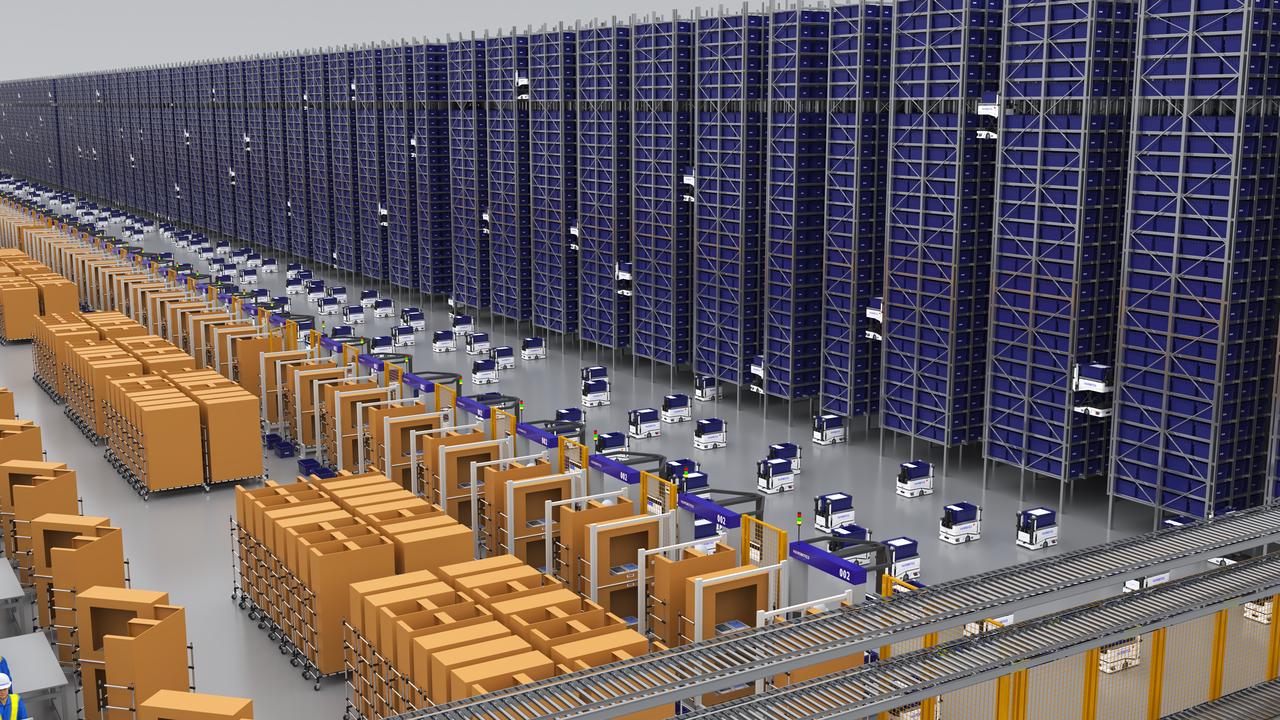
From more than 10,000 robots in global customer cooperation to a single project designed for a fleet of over 1,500, these developments reflect the expanding commercial adoption of climbing robot technology. They also demonstrate why large-scale automation requires more than additional robots: it demands mature system architecture, fleet orchestration, and fulfillment coordination. As warehouses face growing demands for storage density, fulfillment efficiency, operational flexibility, and reliability, climbing robots offer a different architectural approach to addressing these interconnected challenges.
The most important question is no longer simply whether a robot can climb. It is whether the system can adapt to changing business needs, remain efficient as it scales, and consistently deliver long-term value in real-world warehouse operations.
The journey from "capable of climbing" to "capable of operating at scale" and ultimately to "capable of delivering sustained business value" is what will define the maturity of climbing robot technology.